The European Union has approved an additional €25 million ($29 million) in funding to expand migration cooperation with authorities in eastern Libya as the bloc intensifies efforts to reduce irregular crossings into Europe through the Mediterranean.
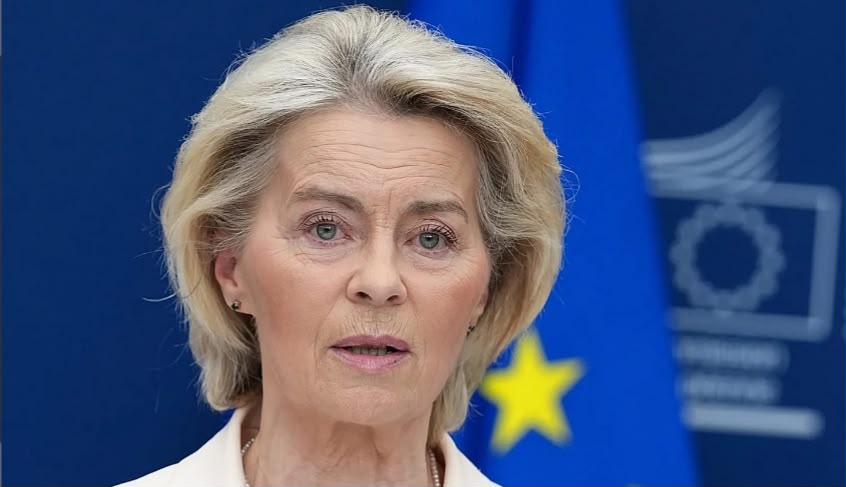
The funding was disclosed in a letter from European Commission President Ursula von der Leyen to EU leaders, seen by Reuters on Tuesday, October 13.
According to the letter, the financial package will support border management, search-and-rescue operations and efforts to combat migrant smuggling in eastern Libya.
The move signals deeper engagement between the EU and the eastern part of Libya, which is controlled by military commander Khalifa Haftar, as European authorities seek to curb irregular migration across the Mediterranean.
The latest funding follows an announcement by the EU in July that it planned to establish a Maritime Rescue Coordination Centre in Benghazi, a major city in eastern Libya. The proposed centre represents another step towards expanding cooperation with authorities in the region on migration management and rescue operations.
In her letter, von der Leyen described Libya as a major departure point for migrants attempting to reach Europe through irregular routes.
“Libya remains the top country of departure for illegal crossings to the EU,” she wrote, adding that an upcoming meeting between the EU and Libya would help sustain cooperation on migration issues.
The European Commission president also said the EU was working with the International Organization for Migration (IOM) to facilitate the voluntary return of migrants from Libya to their countries of origin.
The programme is intended to support migrants who choose to return home rather than continue their journeys towards Europe.
Von der Leyen said the bloc was also working to prevent migrants from entering Libya solely to use the country as a transit point for irregular crossings into the European Union.
“We are equally focused on reducing the number of migrants arriving to Libya with the sole intention to cross illegally into the EU,” she added.
The additional funding highlights the EU’s continued reliance on cooperation with countries along migration routes as it seeks to manage arrivals, strengthen border controls and address migrant smuggling across the Mediterranean.