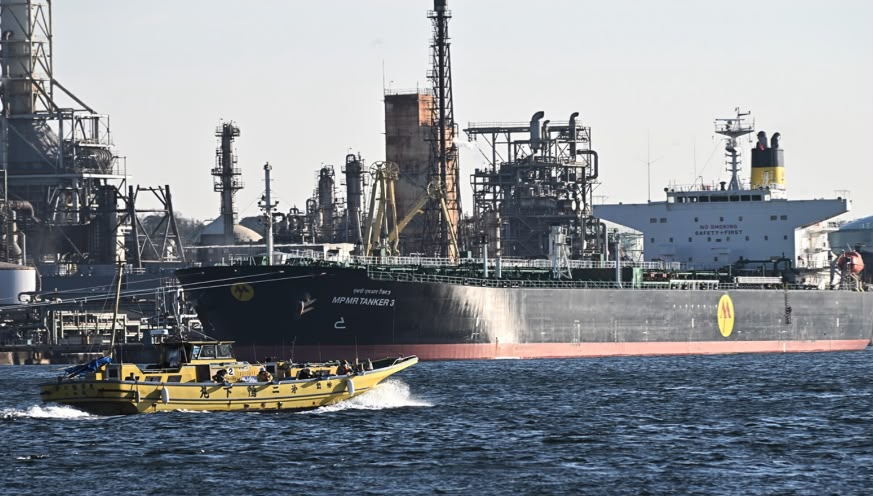
Japan’s cabinet has approved three bills aimed at strengthening the country’s energy security, including measures to help oil importers manage higher transportation costs when bringing in crude oil through alternative routes that avoid the Strait of Hormuz.
Industry Minister Ryosei Akazawa announced the decision on Tuesday, October 13, saying the government intends to submit the bills to parliament during the current extraordinary Diet session.
“Through these three bills, we aim to improve supply security by diversifying sources of crude oil and other fossil fuels and reducing related risks,” Akazawa told a press conference.
The proposed legislation covers the diversification of fuel supplies, government support for transport insurance and amendments to the law governing the Japan Organization for Metals and Energy Security (JOGMEC).
Under the procurement diversification bill, the government would establish a grant programme to compensate importers for additional transportation expenses incurred when sourcing crude oil and other fuels through alternative routes that bypass vulnerable shipping chokepoints, including the Strait of Hormuz. The programme would be financed entirely through contributions from a broad range of importers, including oil refiners, traders and petrochemical manufacturers.
A second bill would allow the Japanese government to cover part of insurance payouts for oil tankers and other vessels transporting petroleum products and liquefied natural gas (LNG). The measure is designed to provide support if foreign reinsurers become unable to offer coverage because of heightened geopolitical tensions, according to an official from the industry ministry.
The third bill proposes amendments to JOGMEC’s governing law, allowing the state-backed agency to invest in infrastructure needed to secure alternative energy supply routes, including pipelines.
Japan remains heavily dependent on the Middle East for its crude oil supplies. The country obtained 94 per cent of its crude oil imports from the region in 2025, with 93 per cent of those shipments travelling through the Strait of Hormuz, a major route for global oil transportation.
In August, Japan announced a comprehensive plan to improve the resilience of its energy supplies. Specific measures, including the necessary legislative steps, are expected to be finalised by the end of the year.
Akazawa also said Japan’s crude oil procurement for October was expected to reach approximately 100 per cent of its average monthly supply in 2025, ensuring the country secures the necessary volumes of crude oil and petroleum products.