The Federal Government has warned that bringing back petrol subsidy could have serious consequences for Nigeria’s economy, including a possible rise in petrol prices to ₦2,000 per litre and the naira falling to about ₦3,000 to the dollar.
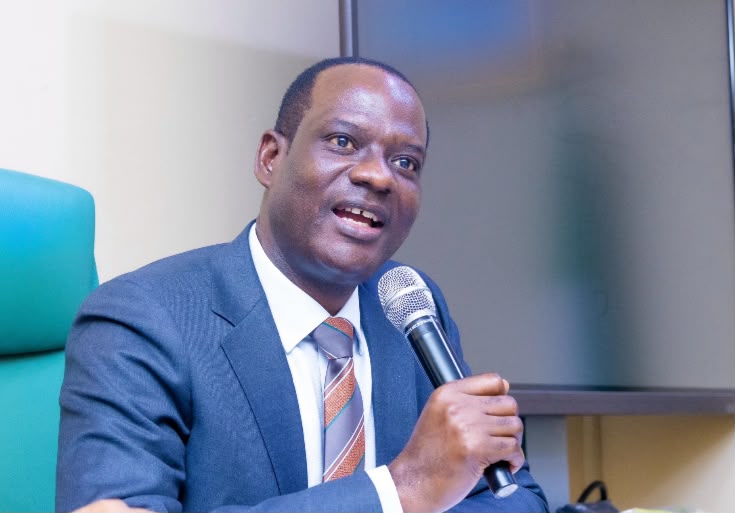
The Minister of Finance and Coordinating Minister of the Economy, Taiwo Oyedele, gave the warning on Thursday during a briefing in Abuja on fuel prices and the ongoing debate over subsidy.
Oyedele defended the government’s decision to end the subsidy, arguing that restoring it could put pressure on government revenue, weaken investor confidence and create further economic instability.
According to the minister, a return to subsidy could trigger a chain of economic problems, beginning with weaker government revenue and potentially affecting Nigeria’s credit rating.
“Return subsidy, and the sequence is familiar. Weaker revenues invite a sovereign credit downgrade,” Oyedele said.
He explained that a downgrade could make borrowing more expensive, encourage capital outflows and put pressure on the country’s foreign exchange reserves.
The minister warned that these developments could further weaken the naira and reverse some of the progress made in reducing inflation.
He said the government estimates that the exchange rate could move towards ₦3,000 per dollar within months if subsidy is restored.
“And the so-called subsidised petrol will cost at least ₦2,000 per litre. This is well above what Nigerians pay today,” Oyedele said.
The minister also argued that Nigerians would ultimately bear the cost of bringing back subsidy, even if the policy initially appears to provide cheaper petrol.
He said the consequences could come through higher inflation and further pressure on the naira.
“However, it is described, a subsidy must be financed through salaries and pensions not paid on time, through higher taxes, or through the printing of money, like we saw before this current administration,” he said.
Oyedele also referred to the previous administration’s use of money creation to fund government spending, saying more than ₦30 trillion was printed and arguing that the resulting inflation remains part of the economic challenges Nigeria is dealing with.
He described temporary economic relief without sustainable funding as particularly costly in the long run.
“Short-term relief, but with long-term fragility, is the most expensive money a government can spend,” the minister said.
Calls for the return of petrol subsidy have continued more than three years after President Bola Tinubu announced its removal.
However, Oyedele said the Federal Government is willing to consider alternative proposals, provided those advocating for subsidy can demonstrate how the policy would be financed and what Nigerians would ultimately pay at the pump.
“We remain open to ideas, but any credible proposer should answer three questions. Number one, what will it cost? Number two, how will it be funded sustainably? Number three, what pump price will it deliver?” he said.
Oyedele added that the government would be prepared to engage with anyone who can provide clear financial calculations to support a proposal for restoring the subsidy.
Source: Taiwo Oyedele, Minister of Finance and Coordinating Minister of the Economy