The Nigeria Labour Congress (NLC) President, Joe Ajaero, has called attention to the economic proposals of Accord Party presidential candidate Gbenga Olawepo-Hashim and Social Democratic Party candidate Adewole Adebayo ahead of the 2027 presidential election.
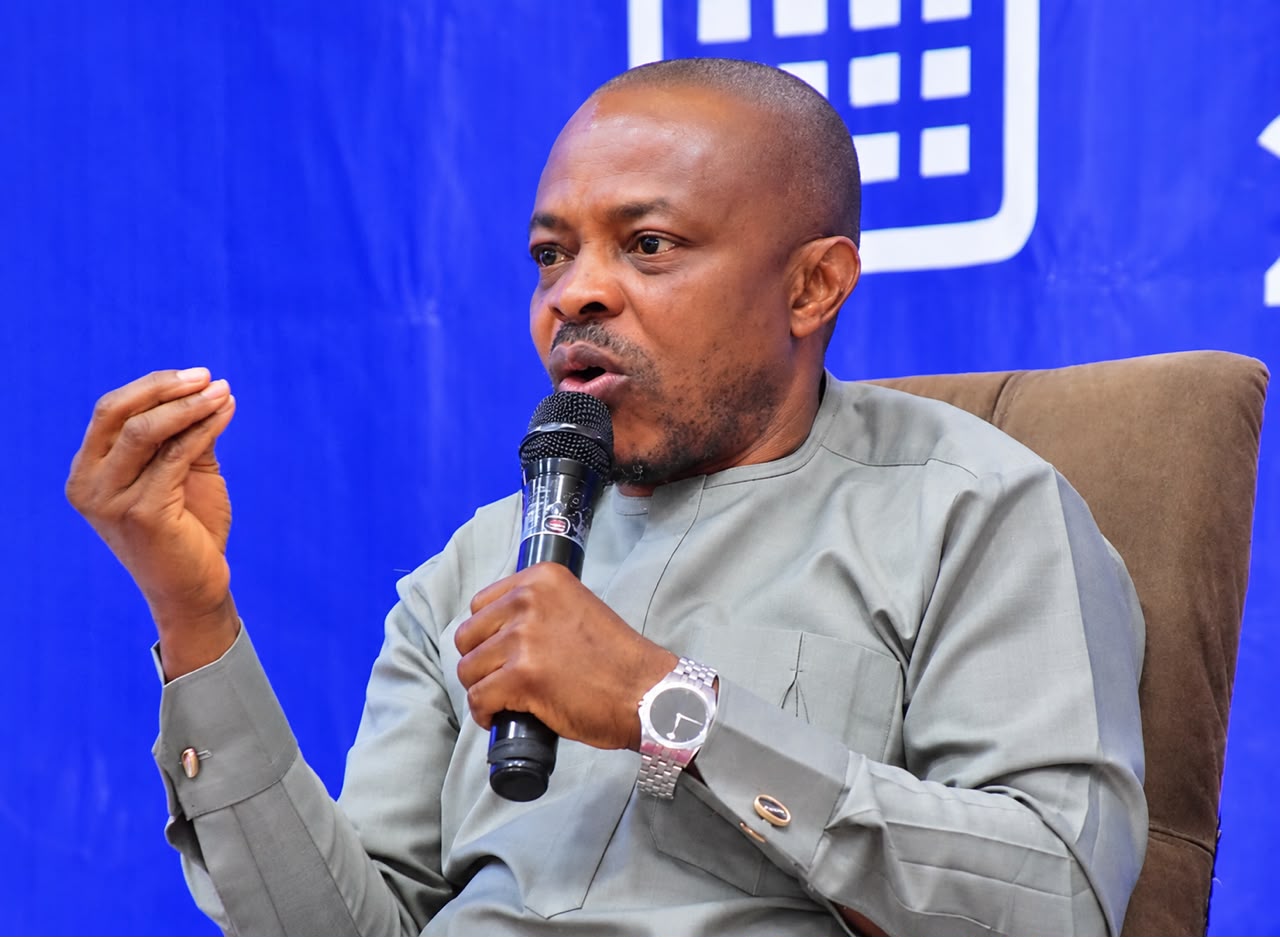
Ajaero made the remarks during an interview with Seun Okinbaloye on Mic On, where he was asked about the economic policies being proposed by former Vice President Atiku Abubakar.
Rather than concentrating on Atiku’s proposals, the NLC president said he had also examined the economic positions of Hashim and Adebayo and believed their ideas deserved closer consideration.
“I have looked at Gbenga Hashim’s position and I think he’s an expert to an extent. I also looked at Adebayo. I may listen to them,” Ajaero said.
He drew a distinction between the approaches of Hashim and Adebayo and those of Peter Obi, Atiku Abubakar and President Bola Ahmed Tinubu.
According to Ajaero, the three major political figures have broadly similar positions on the economy, which he characterised as market-oriented.
“Peter Obi, Atiku and Asiwaju, they all have the same position and they have shown that they are market people from far right,” he said.
Ajaero said Hashim and Adebayo, on the other hand, appeared to be presenting ideas that were different enough to warrant further engagement.
The NLC president’s comments have placed renewed attention on Hashim’s economic agenda, particularly his “Energy First” proposal, which focuses on affordable energy, increased domestic production, industrialisation and boosting Nigeria’s productive capacity.
Under the proposal, Hashim has suggested an initial petrol price of ₦605 per litre, with a longer-term target of between ₦200 and ₦300 per litre.
His plan for achieving the lower price includes reducing production costs, expanding domestic refining, increasing crude oil production and improving efficiency across the energy sector.
Hashim has also set a target of increasing Nigeria’s crude oil output to at least four million barrels per day within 24 months.
He has proposed expanding domestic refining capacity and investing in energy infrastructure as part of his broader plan to position Nigeria as a major global energy power.
With the 2027 presidential election approaching, Ajaero’s remarks have drawn attention to the economic alternatives being presented by candidates outside the country’s two dominant political camps.