Oil prices moved sharply higher on Monday after US President Donald Trump rejected Iran’s proposal for a seven-day truce that could have paved the way for the reopening of the Strait of Hormuz.
The development renewed concerns about global energy supplies and inflation, while investors also reacted to rising bond yields and mixed movements across major stock markets. Brent crude climbed back above $106 per barrel after prices had fallen by more than two per cent at the end of the previous week.
Iran had presented its proposal at the United Nations General Assembly, with the plan involving an end to hostilities and the reopening of the strategically important Strait of Hormuz.
The waterway is a major route for global energy shipments, while the security situation around the Red Sea has also remained tense, adding to concerns over international trade and fuel supplies.
Trump confirmed that he had rejected Tehran’s proposal.
“I reject their proposal.”
However, the US president indicated that negotiations could continue. Speaking to Axios, Trump said Iran was interested in reaching an agreement but that the terms being proposed were not acceptable to him.
“They want to make a deal, but it is not the deal that I want to make.”
He added:
“They overplayed their hand.”
Despite rejecting the proposal, reports indicated that indirect discussions between Washington and Tehran could resume, potentially as early as Monday. Iran, however, has continued to stand by its conditions for reopening the Strait of Hormuz.
Those conditions include the release of frozen Iranian assets, the removal of sanctions on Iranian oil and an end to the US naval blockade.
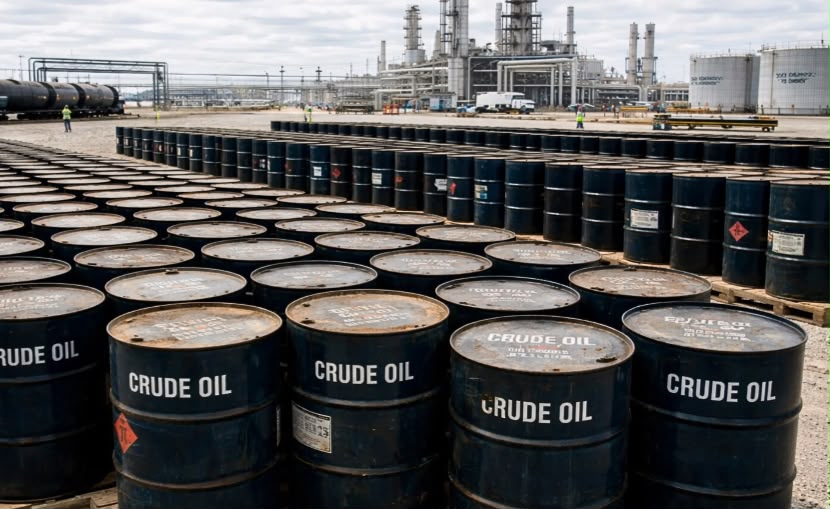
The renewed uncertainty pushed crude prices higher at the start of the new trading week. Brent crude futures were reported at around $106.19 per barrel, up 1.8 per cent, while West Texas Intermediate rose one per cent to $93.34 per barrel at about 0330 GMT.
The rise in energy prices also revived concerns over inflation and its possible impact on interest rates.
Asian markets were mixed, with Seoul falling by more than two per cent after reopening from a long break. Tokyo, Shanghai, Manila, Bangkok and Jakarta also recorded declines, while Hong Kong, Sydney, Singapore and Wellington posted gains.
Bond yields also moved higher. The average yield on a global bond index had crossed four per cent in the previous week, its highest level since 2007, adding to concerns about borrowing costs and inflation.
Attention is now turning to the US Federal Reserve ahead of its next policy meeting at the end of October. Investors are also awaiting the release of key inflation and employment data that could influence the central bank’s decisions on interest rates.
Market analyst Stephen Innes said the latest developments had renewed concerns over the economic impact of the Middle East conflict.
“Oil has pushed higher, Asian equities are softer, and suddenly the brief Friday reprieve in global fixed income looks more like an intermission than the end of the show.”
However, he noted that financial markets still appeared to leave room for the possibility that the two sides could eventually return to negotiations.
At the latest reported levels, West Texas Intermediate stood at $93.34 per barrel, while Brent crude traded at $106.19. The Nikkei 225 was down 0.3 per cent, the Hang Seng was up 0.7 per cent and the Shanghai Composite had fallen 1.7 per cent.
In currency trading, the dollar rose to 157.83 yen, while the euro and pound both weakened slightly against the US currency.
On Friday, the Dow Jones Industrial Average closed 0.9 per cent higher at 51,828.62, while London’s FTSE 100 gained 0.1 per cent to close at 10,695.25.
The latest oil price movement highlights how developments around the Strait of Hormuz continue to influence energy markets, inflation expectations and investor sentiment globally.
Source: AFP.