The Human Rights Writers Association of Nigeria (HURIWA) has challenged the Federal Government’s position that petrol subsidy will not be restored, describing the policy as a heavy burden on Nigerians and calling for a review of the country’s energy pricing system.
The group also demanded greater transparency over the use of funds it said were generated from the removal of petrol subsidy between June 2023 and December 2025.
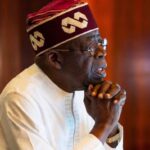
In a statement signed by its National Coordinator, Comrade Emmanuel Nnadozie Onwubiko, HURIWA said the subsidy removal announced by President Bola Tinubu on May 29, 2023, had not received adequate national debate or broad-based consultation.
The association rejected the Presidency’s position that the subsidy debate had been settled, insisting that Nigerians should continue to have a voice in policies with major consequences for their livelihoods.
HURIWA said rising prices of petrol, diesel and cooking gas had intensified the cost-of-living crisis, particularly for low-income families, workers and pensioners dealing with inflation and reduced purchasing power.
The group referred to a claim by the Minister of Finance and Coordinating Minister of the Economy, Taiwo Oyedele, that subsidy removal generated N15.8 trillion in resources for the federation between June 2023 and December 2025.
Based on the figures cited by HURIWA, N5.4 trillion accrued to the Federal Government, while N10.4 trillion was distributed among states and local governments.
The association, however, questioned how much of the savings had resulted in tangible improvements in the lives of ordinary Nigerians.
“What measurable improvements in the living conditions of ordinary Nigerians can be directly linked to these enormous savings?” HURIWA asked.
The group also criticised the argument attributed to the Special Adviser to the President on Information and Strategy, Bayo Onanuga, that reinstating subsidy could lead to legal and fiscal complications while discouraging investment in domestic refining.
HURIWA acknowledged that the former subsidy system had been linked to corruption, smuggling, rent-seeking and fiscal leakages.
It argued, however, that removing the subsidy without putting an effective social protection system in place had transferred the burden of adjustment to ordinary Nigerians.
The association also said former Vice-President Atiku Abubakar’s proposal for a controlled intervention in the oil and gas sector, rather than returning to what he described as the opaque subsidy regime of the past, deserved public consideration.
HURIWA called for a wider national conversation on policies that would guarantee affordable energy, protect vulnerable Nigerians, strengthen domestic refining and prevent corruption in the management of public resources.
It demanded that the Federal Government release verifiable information showing how funds saved from subsidy removal had been spent on transportation, healthcare, education, infrastructure, wages, social protection and other essential services.
The group warned that further increases in energy prices could worsen inflation, increase transportation and food costs, weaken businesses and further reduce household purchasing power.
HURIWA urged the Federal Government to reconsider its energy pricing policy and introduce measures capable of lowering energy costs without creating fresh avenues for corruption.
It also maintained that Nigerians have the right to peacefully oppose policies they believe are harmful to their welfare, stressing that the removal of subsidy should not bring an end to public debate.
“Nigerians should not be asked to accept permanent economic hardship merely because government describes subsidy removal as a reform,” the association said.
Source: HURIWA