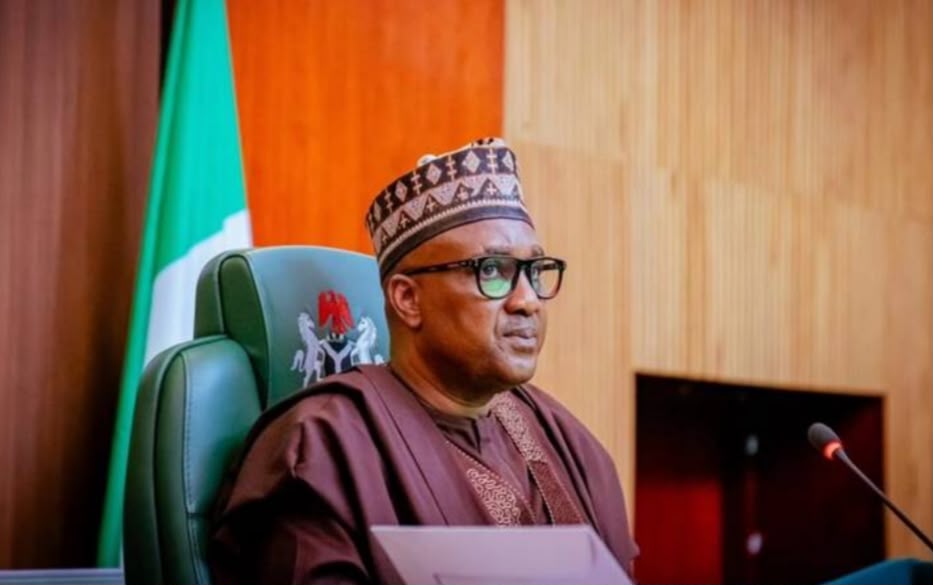
Speaker of the House of Representatives, Hon. Abbas Tajudeen, has called for tougher punishment of drug dealers and other individuals who profit from the illegal drug trade, saying Nigeria must take stronger action against drug abuse to build a safer and healthier society.
Abbas described drug abuse as a major threat to society and stressed that both enforcement and support for people struggling with addiction were necessary to address the problem.
“We must punish those who profit from drugs. We must also treat those who have become trapped by them. The dealer needs the law. The dependent person needs care,” he said, adding that, “The government is present. The law is active. The public must also participate.”
Abbas spoke on Saturday at the conclusion of a three-day sensitisation programme on drug abuse and domestic violence held in Kaduna.
According to a statement by his Special Adviser on Media and Publicity, Musa Krishi, the programme was organised as part of Abbas’ constituency outreach in collaboration with the National Orientation Agency (NOA).
The Speaker urged different groups within society to play their part in preventing drug abuse and responding to domestic violence.
“Parents must watch for sudden changes in conduct. Schools must provide counseling and report warning signs. Pharmacists and medicine vendors must reject the unlawful sale of controlled substances.
“Traditional and religious leaders must reject silence around addiction and abuse. Neighbours must report violence. Market and transport unions must report suspicious movement of drugs. Young people must reject pressure and seek help when needed.
“Victims should seek safety, obtain medical care, preserve evidence, and report abuse. Communities must protect them, not punish them with blame or shame,” the Speaker said.
Abbas recalled the previous edition of the programme held in February 2025, which led to a four-month campaign across the North-West.
“We promised to take the message beyond conference halls. We promised to engage traditional rulers, religious leaders, teachers, parents, young people, and community organisations,” he said.
He noted that the latest programme in Kaduna demonstrated that those commitments had been fulfilled.
The Speaker said the NOA had taken the campaign to streets and communities across Kaduna, with its officials engaging market leaders, transport workers, youth groups and traditional institutions on the dangers of drug abuse and domestic violence.
Abbas commended the Director General of the NOA, Lanre Issa Onilu, and his team for their role in the campaign.
He also appreciated the National Drug Law Enforcement Agency (NDLEA), Nigeria Police Force (NPF), Nigeria Immigration Service (NIS), Federal Road Safety Corps (FRSC), Nigerian Correctional Service (NCoS), National Youth Service Corps (NYSC), as well as relevant state agencies for their contributions.
The Speaker linked drug abuse to several social and security challenges, warning that its consequences extend beyond individuals and their families.
He said, “Drugs can impair judgement, increase aggression, and deepen poverty. But drugs never excuse violence. Every person remains responsible for his or her actions. Domestic violence is not discipline or culture. It is abuse. It harms the victim, frightens children, and weakens the community.
“The damage caused by drugs does not stop at the family door. It spreads into our streets, schools, markets, and security system. Drug trafficking gives criminal networks money. The same hidden routes can carry drugs, illegal weapons, criminal funds, and violent offenders. Drugs do not explain every crime, but they are part of Nigeria’s wider security challenge.”
Abbas said stopping drug shipments could deprive criminal groups of funds used to purchase weapons and recruit new members.
He added that every person rescued from addiction represents one fewer individual who could become exposed to violent groups.
The Speaker further described drug control as an important part of efforts to tackle banditry and kidnapping in the North-West.
“Security forces may clear the camps. Communities must help cut the supply lines,” he said, adding that, “Enforcement stops the shipment. Education reduces the demand. Treatment restores the individual. Community vigilance protects the neighbourhood.”
Source: House of Representatives