
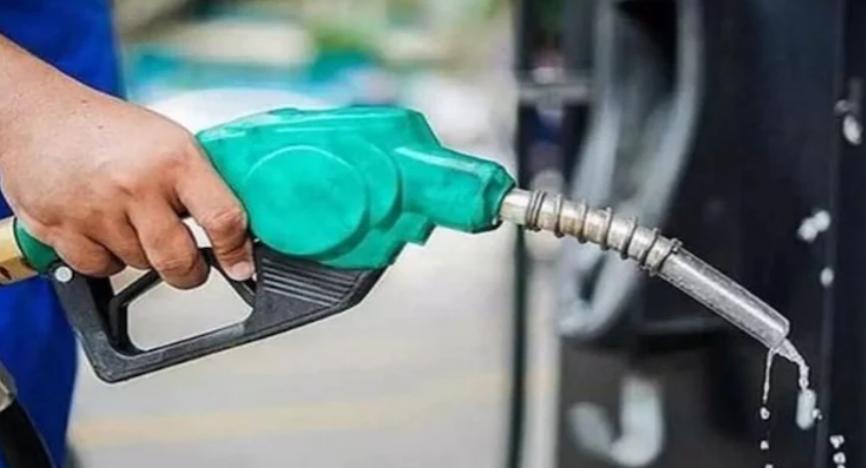
The price of petrol in Nigeria has increased by about 9 per cent to N1,310 per litre, despite a reported decline in crude oil prices from $92 to $87.31 per barrel.
Checks by Vanguard showed that MRS raised its retail price from N1,205 to N1,310 per litre in Lagos and surrounding areas. Other marketers also increased their prices, with some selling between N1,315 and above N1,400 per litre, compared with less than N1,270 previously.
The increase comes as domestic petrol depot prices continue to move differently from international crude oil benchmarks, suggesting that local supply, refining, logistics and other market factors are having a stronger influence on pump prices.
The Daily Depot Price Intelligence Report showed that petrol prices at major Nigerian depots reached as high as N1,217 per litre on Friday, August 28, 2026.
Warri recorded the highest price at N1,217 per litre, followed by Port Harcourt at N1,214, Calabar at N1,204 and Lagos at N1,202.
In Lagos, Aiteo and Dangote depots were listed at N1,200 per litre, while several depots in Warri recorded prices between N1,210 and N1,217.
Internationally, Brent crude was reported at $88.10 per barrel, while West Texas Intermediate (WTI) stood at $83.40, both recording declines.
However, petrol prices do not always immediately follow movements in crude oil because several other costs influence what consumers eventually pay.
These include refining margins, product availability, exchange rates, freight and marine logistics, storage and depot charges, financing costs, taxes and competition among suppliers.
The growing contribution of Nigeria’s domestic refining industry is also changing the structure of the fuel market, with locally refined products increasingly competing with imports.
The divergence between international crude prices and domestic petrol prices could put additional pressure on motorists and businesses if elevated depot prices continue to translate into higher pump prices.
Higher petrol costs could also affect transport fares, logistics, food distribution and inflation, while increased competition among local refiners could help limit future price increases.
The latest development highlights how Nigeria’s petrol market is increasingly influenced by domestic supply, refining capacity, logistics and market conditions, rather than crude oil prices alone.
Source: Daily Depot Price Intelligence Report.