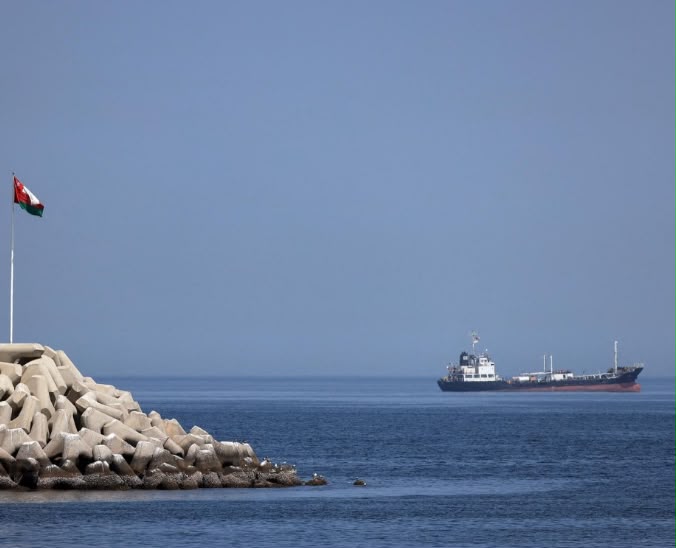
Iran has said the Strait of Hormuz remains closed to military vessels despite ongoing discussions with Oman over a temporary navigation corridor and efforts to clear mines from the strategically important waterway.
The development comes as Tehran continues to demand that the United States end the war, lift its blockade and fulfil commitments it says Washington previously agreed to.
Iranian and Omani officials discussed a phased plan during talks in Tehran that could include establishing a temporary navigation corridor through the strait and jointly clearing mines from the waterway.
Iran’s Foreign Minister Abbas Araghchi described the discussions as evidence of Tehran’s commitment to diplomacy and regional stability.
However, Iranian Deputy Foreign Minister Kazem Gharibabadi said the proposed arrangement did not mean the strait had been reopened.
He warned that military vessels would not be permitted to pass through the waterway, while Iranian authorities would continue monitoring commercial vessels seeking to transit the area.
Gharibabadi said Iran had closed the strait before the US imposed its economic blockade because Washington had failed to fulfil commitments under an earlier memorandum of understanding.
He insisted that the United States must first end the war, lift its blockade and address the situation in Yemen before Iran would consider further steps towards reopening the waterway.
Oman Pushes for Temporary Corridor
Oman, which borders the Strait of Hormuz alongside Iran, has been working with Tehran on a framework to regulate movement through the strategic passage.
Omani Foreign Minister Badr Albusaidi said he hoped the two countries would soon announce a temporary corridor.
He said discussions on a longer-term arrangement would follow, including the future administration of the strait, information sharing, traffic management and navigational and security services.
The waterway has remained largely paralysed since the conflict between Iran, the United States and Israel intensified, disrupting global energy markets.
The Strait of Hormuz normally carries around one-fifth of global oil and liquefied natural gas exports, making any prolonged disruption a major concern for energy markets.
Dispute Over Mine-Clearing
US President Donald Trump had previously claimed that mines had been removed or detonated in international waters within the strait.
Gharibabadi dismissed the claim as propaganda and warned that Iranian forces would target US minesweepers entering the area.
Meanwhile, Washington has announced additional sanctions designed to increase economic pressure on Iran.
US Treasury Secretary Scott Bessent said countries that refuse to support the American economic campaign against Tehran would face isolation.
The latest measures reportedly target Iran’s digital assets, technology, gold, aviation and shipping sectors, with entities in several countries, including the UAE, Hong Kong, China, Singapore and Europe, affected.
Iran has vowed to respond by targeting US economic interests.
The tensions have also affected daily life inside Iran, where long queues have reportedly formed at petrol stations as authorities review fuel quotas.
Despite the continuing uncertainty, oil prices declined on Wednesday as concerns over another major military escalation in the Middle East eased.
Source: AFP.