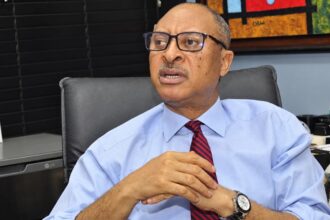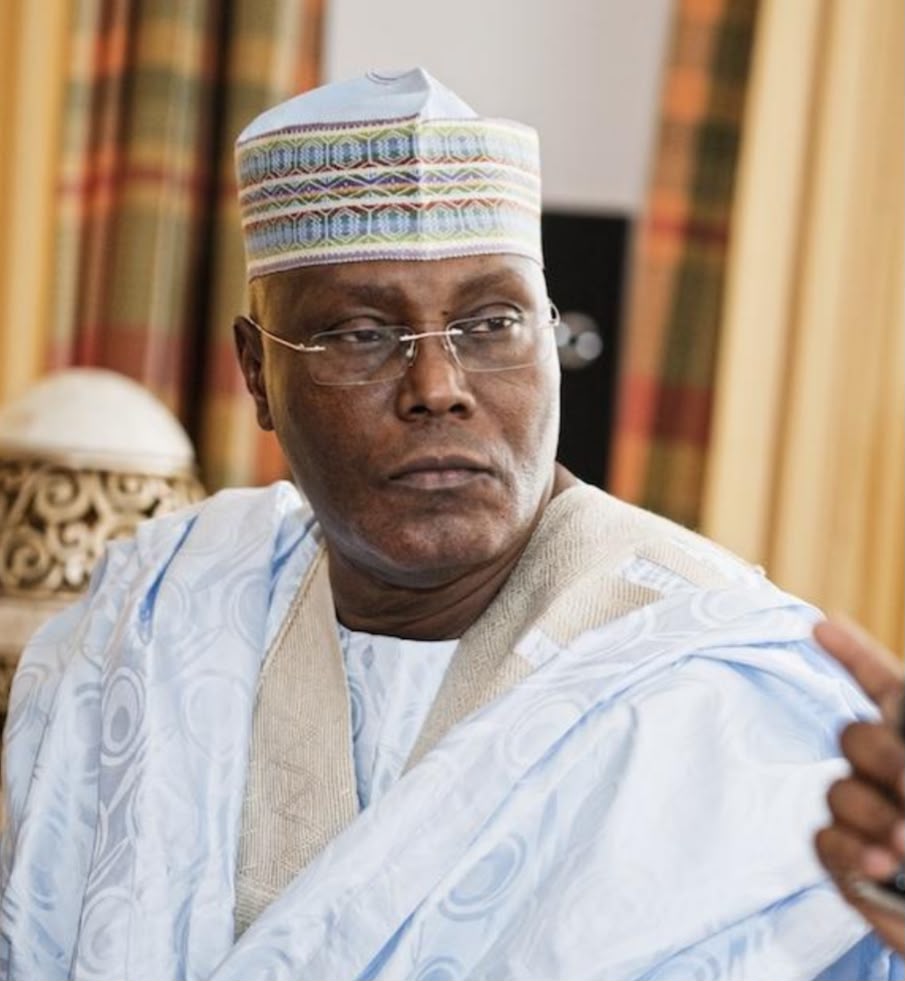
The Presidency has criticised former Vice President and African Democratic Congress (ADC) presidential candidate Atiku Abubakar over his promise to restore the petrol subsidy if elected president in 2027.
In a statement by the Special Adviser to President Bola Tinubu on Information and Strategy, Bayo Onanuga, the Presidency described Atiku’s position as a “desperate and regressive volte-face,” accusing him of abandoning his previous position on subsidy removal.
The statement said Atiku had previously supported the removal of the subsidy but had now changed his position ahead of the 2027 election.
“Even though he used to believe that the subsidy regime must be eliminated… he has now opportunistically recanted the major plank of his economic doctrine and turned a renegade.”
The Presidency said Atiku’s promise was an attempt to make a politically attractive pledge despite the financial and legal implications of restoring the subsidy regime.
It also rejected Atiku’s claim that Nigeria had accumulated a ₦30 trillion subsidy windfall, describing the figure as imaginary.
According to the Presidency, subsidy was not money sitting in government coffers waiting to be distributed. Rather, it represented the discount previously absorbed by the Nigerian National Petroleum Company (NNPC) when petrol was sold below its actual cost.
“No N30 trillion subsidy windfall or savings exists anywhere except in his imagination.”
The Presidency said the Petroleum Industry Act (PIA) had dismantled the old subsidy framework, while the Tinubu administration accelerated the process of ending what it described as continued fiscal losses.
Presidency Lists Risks of Subsidy Return
According to Onanuga, restoring the old subsidy system would require major legal, fiscal and administrative changes, including identifying a sustainable source of funding.
The Presidency also argued that Nigeria’s petroleum industry had changed significantly since 2023, particularly with the emergence of major domestic refining capacity such as the Dangote Refinery.
It warned that returning to the previous subsidy arrangement could undermine domestic refining, threaten jobs, increase pressure on foreign exchange and reverse recent gains in government revenues.
The statement said the funds previously used to subsidise petrol had helped strengthen federal, state and local government finances and contributed to higher Federation Account allocations.
It warned that restoring the subsidy could force the government to borrow more, reduce spending on infrastructure and social services or cut allocations to states and local governments.
The Presidency acknowledged the hardship caused by higher petrol prices but argued that the government should pursue sustainable measures to reduce energy costs, including greater adoption of compressed natural gas (CNG), rather than return to what it described as an opaque and corruption-prone subsidy system.
It challenged Atiku and other political actors proposing subsidy restoration to provide details of the policy, including its annual cost, funding source, whether borrowing would be required and how it would comply with existing petroleum laws.
The Presidency said Nigerians should welcome debate on the cost of living and economic policies but insisted that such discussions must reflect the realities of the country’s current petroleum sector.
“Nigeria cannot afford to return to policies whose costs are hidden from citizens until they appear later as debt, reduced government spending on social services, and further pressure on the national currency.”