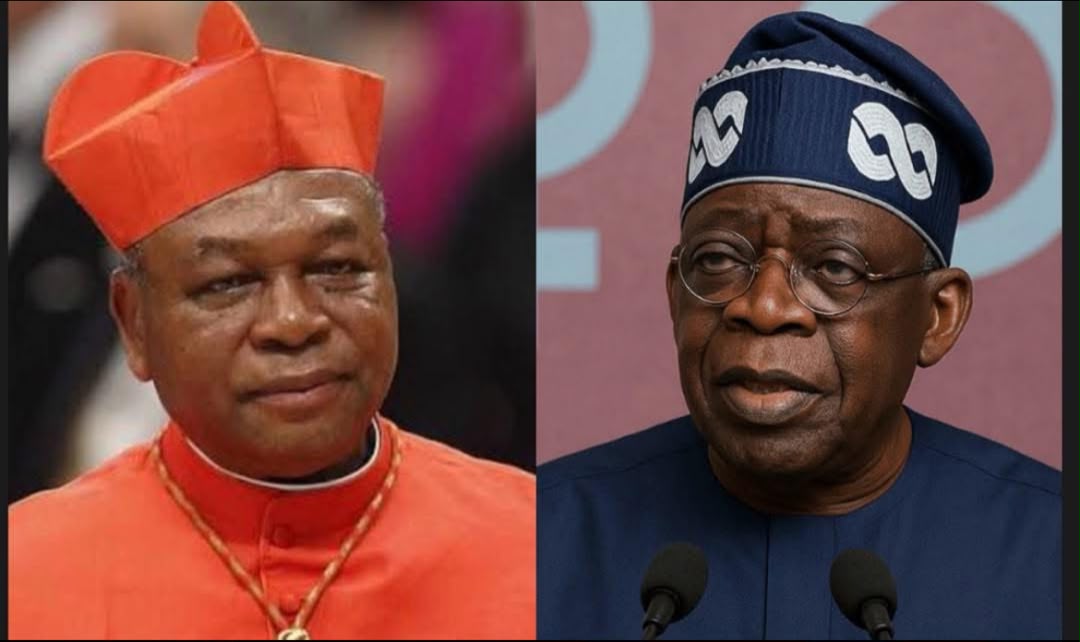
The meeting between President Bola Ahmed Tinubu and the Catholic Bishops’ Conference of Nigeria (CBCN) has continued to generate reactions across the country, with religious leaders, government officials and public commentators expressing differing views on the state of the economy, governance and the role of clerics in speaking on national issues.
The debate gained momentum after Cardinal John Onaiyekan spoke publicly about the meeting in a television interview, prompting responses from the Presidency and other stakeholders. While some believe religious leaders have a duty to speak out on issues affecting Nigerians, others insist their primary responsibility should remain spiritual guidance and prayer.
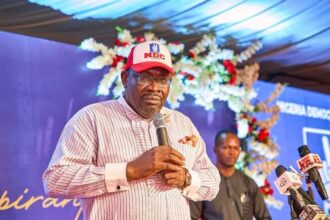
Reacting to the development, Pastor Seyi Osuntayo, Area Superintendent of The Apostolic Church Nigeria, Igbein Area, described the exchange between the Presidency and the Catholic bishops as unfortunate. He acknowledged that religious leaders have a place in national discourse but stressed that the timing and manner of public criticism are important.
“The timing of advice and criticism is important. The timing of the Catholic Bishops’ Conference of Nigeria’s comments could be interpreted differently by various audiences,” he said.
Osuntayo urged Christian leaders to avoid partisan political debates and instead continue encouraging good governance while praying for those in authority. Quoting 1 Timothy 2:1-4, he reminded Christians that Scripture instructs believers to pray for leaders regardless of political differences.
“Our leaders need prayer, whether we agree with their leadership style or not. We may not choose our leaders, but we can choose to obey God’s instruction to pray for them,” he added.
He also warned against the growing trend of some religious leaders engaging excessively in political discussions through the media, insisting that prayer should remain the Church’s primary response to governance challenges.
Offering a different perspective, journalist and author Ben Charles-Davies argued that the focus should not be on the controversy surrounding the bishops’ comments but on the issues they raised. According to him, Nigerians are more concerned about poverty, insecurity, inflation and the rising cost of living than political exchanges between the Presidency and religious leaders.
Charles-Davies noted that the Catholic Bishops have criticised previous administrations, including that of former President Goodluck Jonathan, stressing that speaking on governance is not new to the Church. He also urged public officials to respect opposing views instead of attacking those who express criticism.
He maintained that Cardinal Onaiyekan’s remarks simply echoed the concerns many Nigerians have continued to express over the country’s economic situation and worsening insecurity.
Speaker and entrepreneur Ugoji Maximillian also weighed in, describing the Catholic bishops as an influential institution that has played an active role in national conversations over the years. He said disagreements between political leaders and religious organisations are not unusual in a democracy and suggested that the bishops’ positions during the 2023 general election may have influenced current perceptions of their relationship with the Tinubu administration.
According to Maximillian, despite criticisms from different quarters, President Tinubu appears determined to continue implementing his economic reforms.
Former Lagos State Commissioner for Physical Planning, Toyin Ayinde, urged Nigerians to be patient with the administration, arguing that economic reforms often take time before producing visible results. He said government policies should be assessed over the long term rather than judged immediately.
Ayinde cited his personal experience using a naira debit card for international transactions as one of the positive developments within Nigeria’s financial system and encouraged stakeholders to contribute practical ideas that would help improve governance.
Meanwhile, Presidential media aide Temitope Ajayi defended the Tinubu administration’s handling of the economy, stating that the Catholic bishops themselves requested the meeting with the President and were given the opportunity to present their concerns on security, economic and social issues.
Ajayi argued that although the bishops acknowledged the impact of the Nigeria Education Loan Fund (NELFUND), they failed to recognise other achievements recorded by the administration. He maintained that President Tinubu inherited serious fiscal challenges and has introduced reforms aimed at stabilising the economy.
According to him, improvements in salary and pension payments across several states demonstrate that the government’s policies are beginning to produce results.
The presidential aide also addressed the bishops’ request for the return of mission schools, explaining that the issue falls within the constitutional responsibilities of state governments. He noted that President Tinubu reminded the bishops that he returned mission schools to their original owners during his time as Governor of Lagos State.
The differing reactions have once again sparked nationwide conversations about the role of religious leaders in governance, with some insisting that clerics have a moral obligation to speak on issues affecting citizens, while others believe their primary assignment should be spiritual guidance and prayer. The debate also reflects wider concerns about Nigeria’s economic reforms, governance and the relationship between political leadership and religious institutions.