
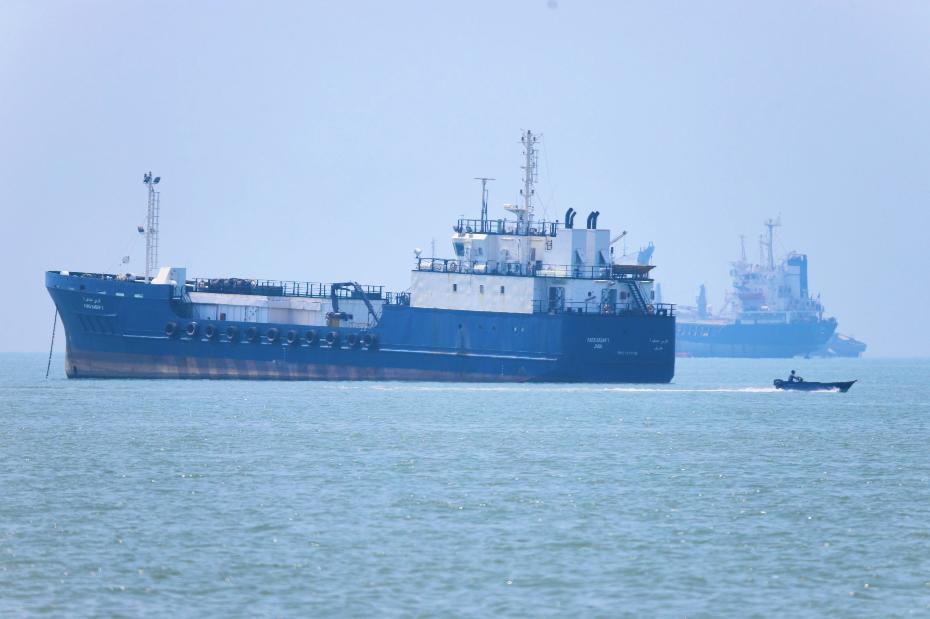
Traffic through the Strait of Hormuz declined sharply over the weekend after a commercial vessel was struck and renewed military exchanges between the United States and Iran heightened concerns over security in one of the world’s busiest oil shipping routes.
According to maritime tracking firm Kpler, only 29 commodity vessels crossed the strategic waterway on Saturday, while just 12 ships transited on Sunday—a significant drop from last Wednesday’s peak of 70 crossings, recorded after Iran and the US signed a memorandum of understanding aimed at easing tensions.
Despite Iran’s warning against using unauthorised shipping routes, several vessels continued navigating through alternative corridors, including routes close to Omani waters.
Following Saturday’s attack on a vessel, ships initially continued using the southern Omani corridor before traffic gradually slowed, according to data from MarineTraffic. The tracking platform noted that its figures only include vessels with active transponders, meaning additional ships may have travelled with their tracking systems switched off.
The latest figures also showed that more ships entered the Gulf than departed over the weekend, reversing the trend seen in previous days when vessels were leaving the region amid security concerns.
A United Nations-backed operation to evacuate about 11,000 stranded seafarers also remains suspended after another vessel was struck in the Gulf of Oman last week.
Reports indicated that four oil tankers and a container ship entered the Gulf on Sunday through the southern Omani corridor under the escort of US Navy vessels, although no ships used the same route to leave the Gulf that day.
Meanwhile, Iran announced that it had held its first meeting with Oman to discuss future management of the Strait of Hormuz, as the US continues to reject any proposal requiring transit fees for vessels using the international waterway.
The latest developments highlight growing uncertainty over maritime operations in the Gulf despite ongoing diplomatic efforts to reduce tensions between Tehran and Washington.
Source: AFP