
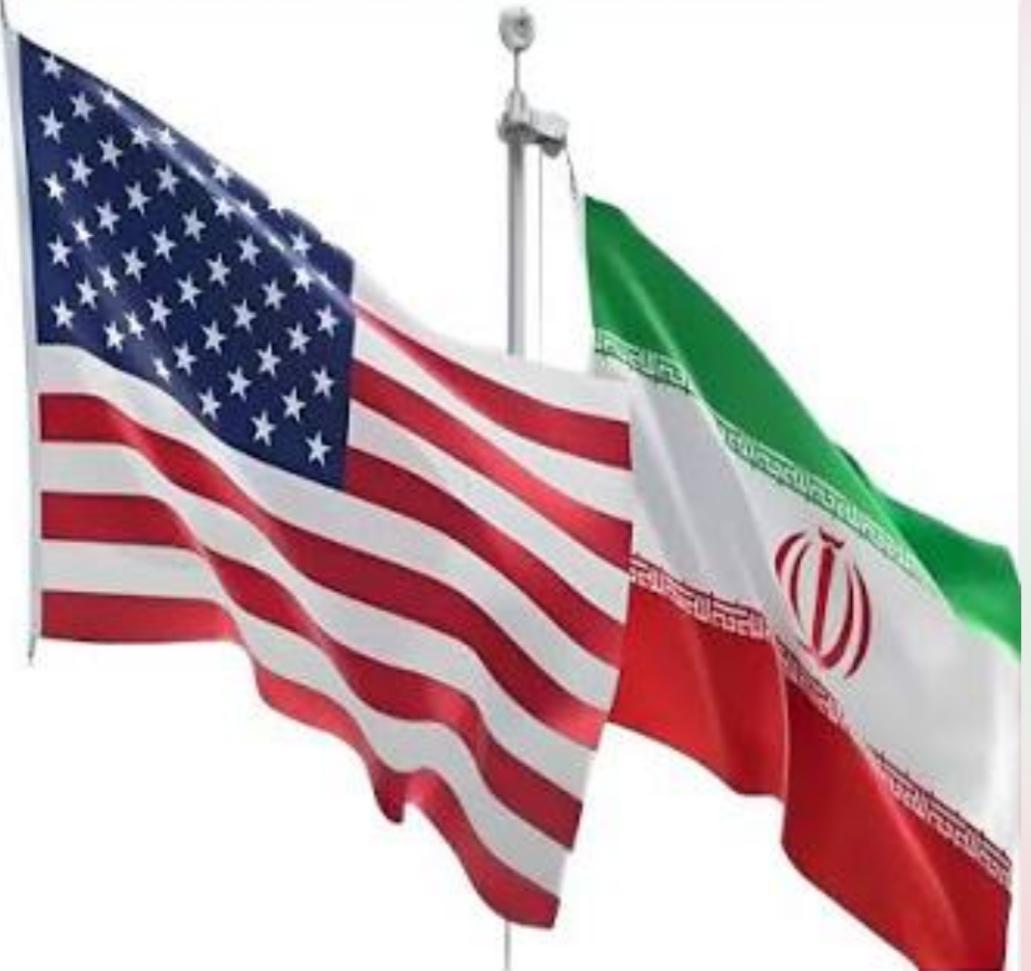
Tensions between Iran and the United States have flared again after both countries exchanged fresh military strikes, with Tehran accusing Washington of violating the peace agreement reached to end the recent Middle East conflict.
The renewed hostilities come just days after both sides agreed to a ceasefire aimed at restoring stability in the region and safeguarding international shipping through the Strait of Hormuz, a key global oil transit route.
According to the US Central Command (CENTCOM), American forces launched strikes on Iranian missile and drone storage facilities, as well as coastal radar sites, in response to what it described as an Iranian attack on a commercial cargo ship in the Strait of Hormuz.
However, Iran strongly condemned the strikes, describing them as a clear breach of the peace agreement.
“These brutal attacks targeting Iran’s coastal surveillance facilities are a blatant violation of the agreement,” Iran’s Foreign Ministry said.
Iran’s Revolutionary Guards later announced that they had carried out retaliatory strikes against US targets in the Gulf, warning that any further attacks would trigger a stronger response.
The latest exchange has raised fresh concerns over the fragile ceasefire and the security of the Strait of Hormuz, through which roughly 20 percent of the world’s oil and gas supplies pass.
Meanwhile, Bahrain said several Iranian drones targeted the country early Saturday, accusing Tehran of undermining ongoing peace efforts.
Despite the renewed military confrontation, oil prices have continued to decline as markets remain hopeful that shipping activities through the Strait of Hormuz will gradually return to normal.
Separately, diplomatic efforts continued elsewhere in the region as Israel and Lebanon signed a US-backed framework aimed at easing tensions along their shared border. However, Hezbollah rejected the agreement, insisting that any settlement must be linked to broader negotiations involving Iran.
The International Atomic Energy Agency (IAEA) also renewed its call for strict monitoring of Iran’s nuclear programme, stressing that any long-term agreement must include strong verification measures to ensure Tehran does not develop nuclear weapons.
Source: AFP