
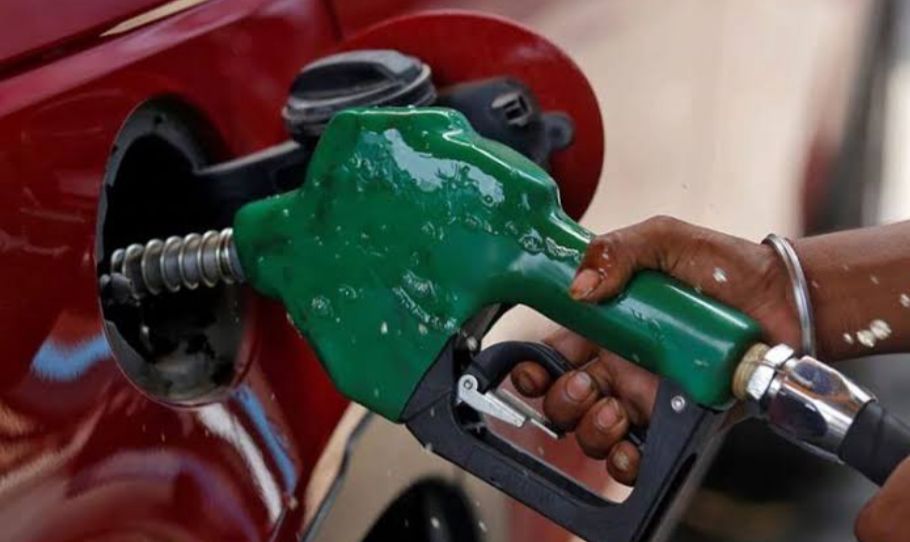
The Petroleum Products Retail Outlets Owners Association of Nigeria (PETROAN) has explained why recent reductions in fuel prices at the depot level often take time before motorists begin to see changes at filling stations.
The clarification comes after Dangote Refinery recently reduced its ex-depot price for petrol and diesel, raising expectations among consumers for an immediate drop in pump prices nationwide.
Speaking on Channels Television’s The Morning Brief, PETROAN President Billy Gillis-Harry said fuel pricing involves several factors beyond the refinery gate, including product availability, logistics, and the cost of restocking supplies.
According to him, price reductions do not automatically translate into instant changes at retail outlets because marketers must first manage existing stock purchased at previous rates.
“Prices reflecting are dependent on availability, cost, and preparing the particular petroleum to be delivered to the people,” he said.
Explaining why fuel price increases are often felt faster than reductions, Gillis-Harry noted that marketers usually need to raise prices quickly when preparing to replace stock at higher costs.
“Increases in prices are mainly caused by the need to restock. There must be that advantage pushing the price upward to be able to pay for new supplies,” he explained.
He acknowledged that, in most cases, marketers try to exhaust existing inventory before adjusting prices downward.
“That’s the basic idea. But in petroleum, a mixture is involved, and loss is taken, though not in a way that affects the capital needed to restock,” he added.
Also speaking on the issue, energy analyst Olabode Sowunmi said fuel pricing in Nigeria is influenced more by local logistics and supply chain costs than by international crude oil prices alone.
According to him, arrangements between suppliers and local refiners mean global oil price movements do not always have a direct impact on what consumers pay at the pump.
“So basically our cost issues in terms of reflecting to the final person deal with our own logistics rather than the geopolitics that is taking place at the moment,” Sowunmi said.
The discussion follows Dangote Refinery’s recent decision to reduce its ex-depot petrol price from ₦1,275 per litre to ₦1,250 per litre, while diesel prices were cut from ₦1,800 per litre to ₦1,700 per litre.
The refinery said the move was part of efforts to make petroleum products more affordable and support economic activities across the country.
Source: Channels Television / PETROAN.