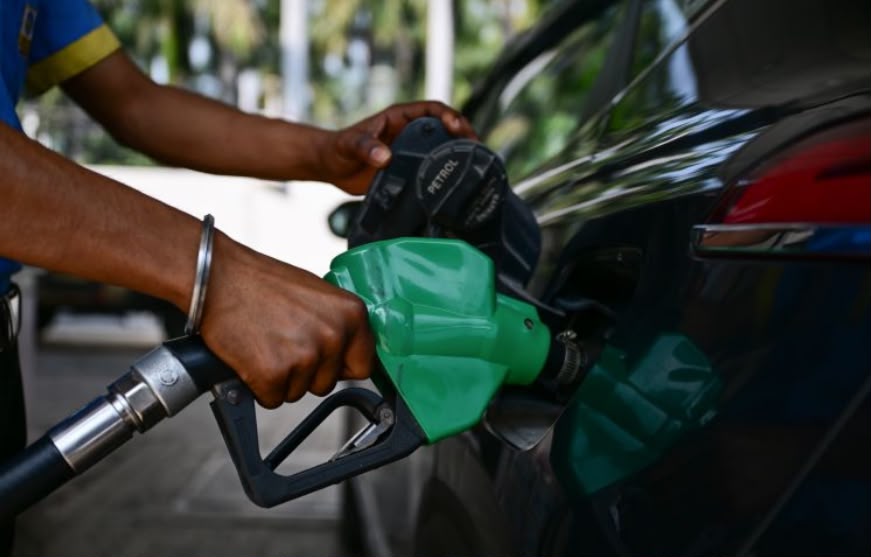
Nigerians hoping for an immediate drop in petrol prices may have to wait a little longer, as industry stakeholders say the planned reopening of the Strait of Hormuz will only bring gradual relief to the fuel market.
The strategic waterway, which handles a significant portion of the world’s oil shipments, is expected to reopen following a reported agreement between the United States and Iran aimed at ending months of conflict and restoring maritime trade.
The announcement triggered an immediate reaction in global oil markets, with crude prices falling sharply on Monday. Brent crude dropped to around $83 per barrel, while West Texas Intermediate (WTI) fell to about $80 per barrel.
Despite the positive development, petroleum marketers and analysts caution that lower crude prices do not automatically translate into cheaper fuel at filling stations.
According to industry experts, the global oil supply chain still faces several hurdles, including vessel backlogs, shipping delays, elevated insurance premiums, and the gradual restoration of refinery operations.
In Nigeria, where petrol prices climbed above ₦1,300 per litre during the Middle East crisis, marketers say any reduction in pump prices will depend on how quickly global oil shipments normalize.
The National President of the Independent Petroleum Marketers Association of Nigeria (IPMAN), Shettima Abubakar, described the reopening as good news but stressed that it is still too early to determine when consumers will begin to feel the impact.
He noted that marketers would engage refineries and monitor developments before any pricing decisions are made.
Similarly, PETROAN President Billy Gillis-Harry said the market remains uncertain, explaining that the next few weeks will provide a clearer picture of where crude oil prices are headed.
According to him, the speed of recovery in shipping operations and refinery activities will largely determine how quickly fuel prices respond.
Economic analyst and CEO of the Centre for the Promotion of Private Enterprise (CPPE), Dr. Muda Yusuf, also urged caution.
He explained that hundreds of vessels remained stuck during the conflict, creating a backlog that could take weeks or months to clear.
Yusuf added that lower insurance costs and reduced shipping expenses would eventually help bring down petrol prices, but only after confidence in the region’s security situation is fully restored.
International analysts echoed similar concerns.
Experts from S&P Global Energy, UBS, Saxo Bank, and other research institutions noted that while financial markets have reacted positively, restoring physical oil supplies will take much longer.
Some projections suggest that meaningful normalization of oil shipments could take between four and six months, while a complete return to pre-conflict trade levels may not happen until 2027.
Industry observers also noted that many countries and companies adjusted their supply routes during the crisis, meaning global trade patterns may not immediately revert to previous arrangements.
Analysts further pointed out that fuel prices typically rise faster than they fall because crude oil must still be transported, refined, and distributed before consumers can benefit from lower costs.
For now, experts say the reopening of the Strait of Hormuz is a positive step that reduces fears of supply shortages, but Nigerians should expect fuel prices to ease gradually rather than experience an immediate drop at the pumps.