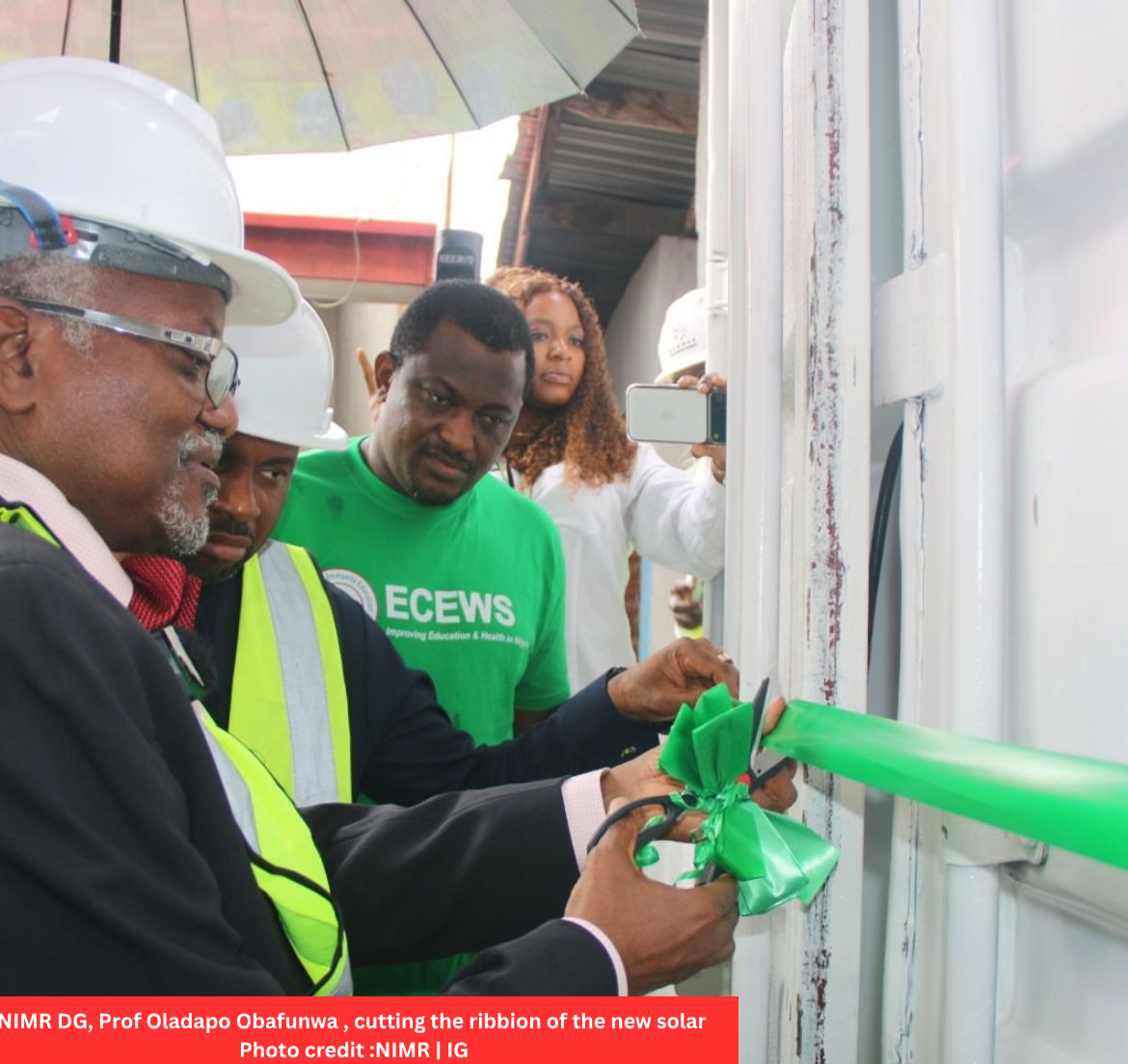
The Nigerian Institute of Medical Research (NIMR) has commissioned a N300 million solar power system to tackle persistent electricity problems affecting critical research and diagnostic operations at the institute.
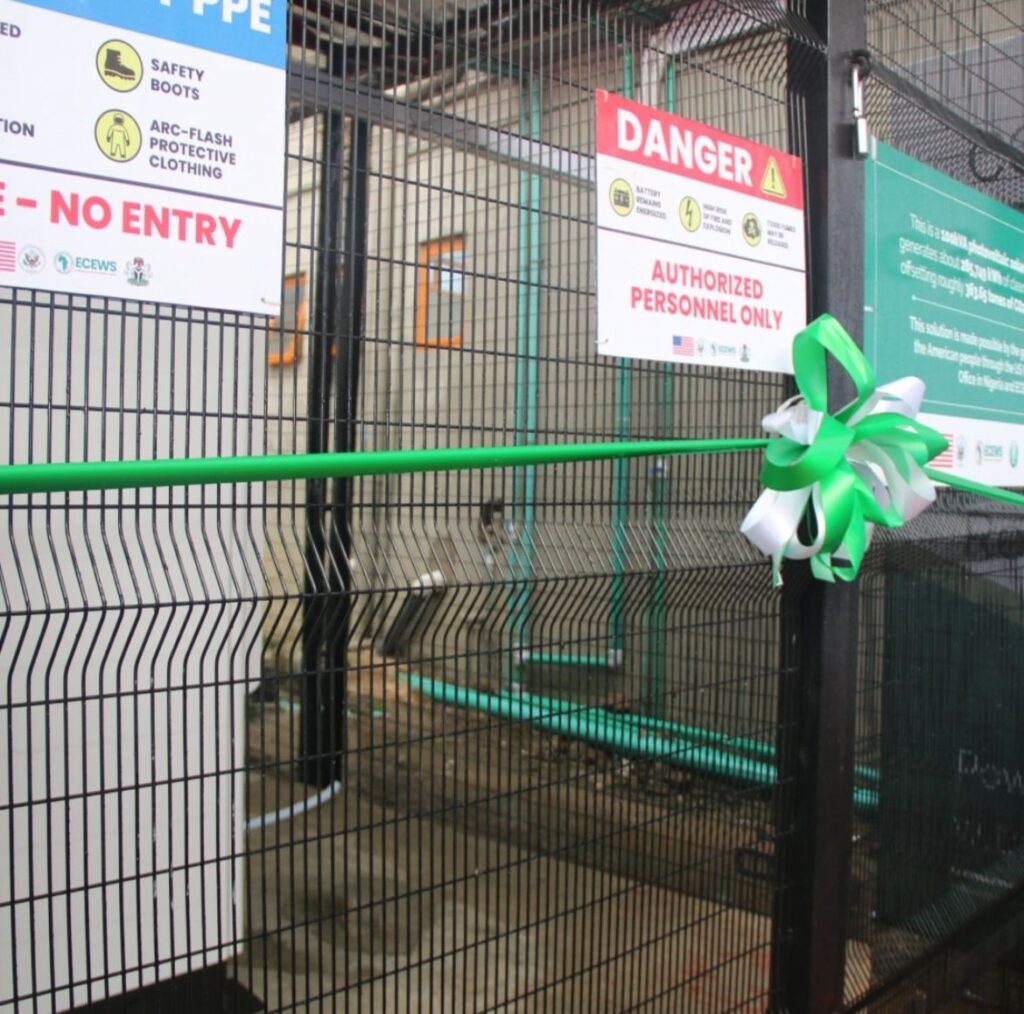
The newly installed 100 KVA Solar Power System was officially unveiled at NIMR headquarters in Lagos and is expected to provide stable electricity to major laboratories and research facilities.
The project was donated by the Excellence Community Education Welfare Scheme (ECEWS) as part of efforts to strengthen Nigeria’s healthcare and research infrastructure.
Speaking during the commissioning ceremony, the Director-General of NIMR, Prof. John Obafunwa, described the intervention as timely and important for the institute’s operations.
According to him, reliable electricity remains crucial for medical research, laboratory testing, data management, and the preservation of sensitive biological samples.
“Today’s event represents more than just the commissioning of a power facility. It reflects a commitment to sustainable development and stronger health research systems,” he said.
The institute explained that the solar facility would now support critical operational units, including laboratories responsible for HIV viral load testing, PCR analysis, tuberculosis testing, and biobank storage systems.
NIMR also stated that uninterrupted electricity is necessary to maintain ultra-low temperature freezers used for preserving valuable medical research specimens.
The Managing Director of ECEWS, Dr Andy Eyo, said the project forms part of wider efforts to improve healthcare systems and strengthen public health institutions in Nigeria.
He described NIMR as one of the country’s most important research institutions in the fight against emerging health threats.
According to him, the N300 million solar project includes 312 solar panels, two lithium battery units, and two high-capacity power inverters.
“This is the most sophisticated solar facility we have deployed in Nigeria’s health sector,” Eyo stated.
He added that the installation would not only provide stable electricity but also help the institute reduce huge energy costs and redirect more resources toward medical research and healthcare services.
Representatives of the Federal Ministry of Health also commended the project, noting that renewable energy solutions are important for improving efficiency and ensuring continuity in healthcare delivery.
Prof. Obafunwa revealed that before the intervention, the institute’s monthly electricity bills had risen to over N50 million despite limited government funding.
He explained that NIMR had already introduced energy-saving measures such as prepaid meters and stricter electricity management practices before the solar project was completed.
The institute expressed appreciation to ECEWS and its partners for supporting Nigeria’s health sector and helping strengthen research capacity through sustainable energy solutions.
The development has attracted positive reactions online, with many Nigerians praising the move as a major step toward reducing operational costs and improving healthcare research in the country.
Source: Nigerian Institute of Medical Research (NIMR) commissioning event in Lagos.