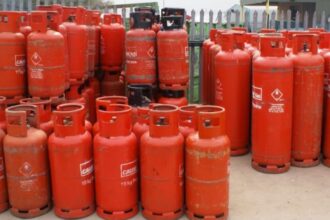
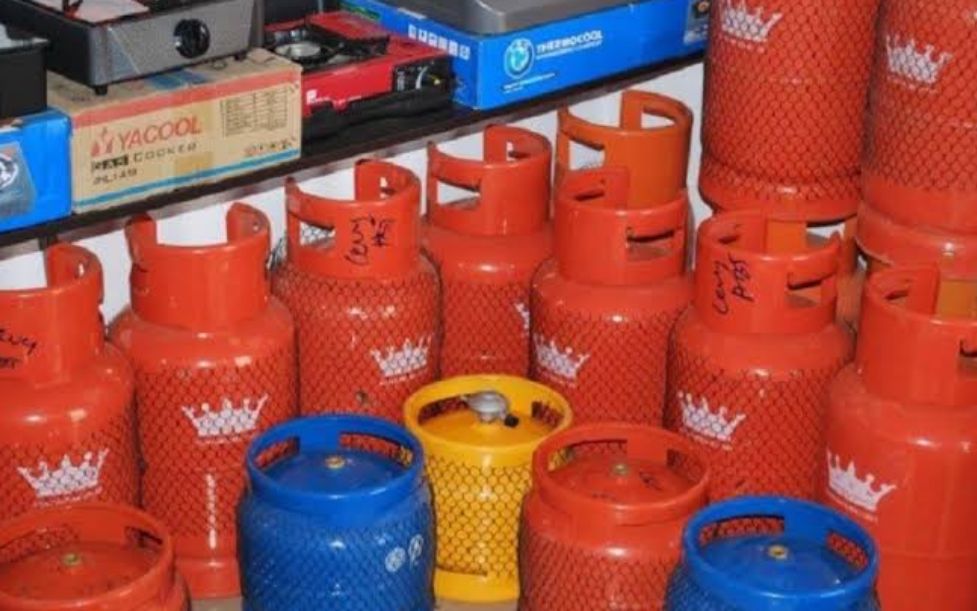
Nigerians may soon face an even deeper cooking gas crisis as the price of Liquefied Petroleum Gas (LPG), popularly known as cooking gas, continues to rise across the country.
Gas marketers have now raised serious concerns, warning that the increasing cost could trigger public anger against owners of gas filling stations if urgent action is not taken.
According to the Nigerian Association of Liquefied Petroleum Gas Marketers (NALPGAM), cooking gas currently sells between ₦1,500 and ₦1,700 per kilogram in many parts of the country, making it increasingly difficult for average Nigerians to afford.
The association revealed that marketers now pay as much as ₦25 million to ₦26 million for a 20-metric-tonne truck of LPG, depending on the location and logistics involved.
Speaking on the development, NALPGAM President, Edu Inyang, described the situation as “sad and pathetic,” stressing that cooking gas should not become a luxury item beyond the reach of ordinary citizens.
He warned that frustration among Nigerians is growing rapidly as many families struggle daily with the high cost of living.
According to him, millions of households, food vendors, restaurant owners and small businesses now face serious hardship because of the sharp increase in gas prices.
The association blamed the situation on supply shortages, high depot prices, transportation challenges and rising operational costs affecting gas marketers nationwide.
NALPGAM also expressed fears that many Nigerians are gradually returning to firewood and charcoal for cooking due to the unaffordable cost of gas.
The group warned that this trend could negatively affect public health, damage the environment and reverse Nigeria’s clean energy progress.
Marketers further cautioned that if the crisis continues unchecked, it could worsen food prices, affect small businesses and discourage investors in the gas sector.
The association has now appealed to the Federal Government, NNPC Ltd., the Ministry of Petroleum Resources and other stakeholders to urgently intervene and stabilise cooking gas prices.
NALPGAM called for better product distribution, increased local supply and removal of bottlenecks affecting importation and distribution of LPG across the country.