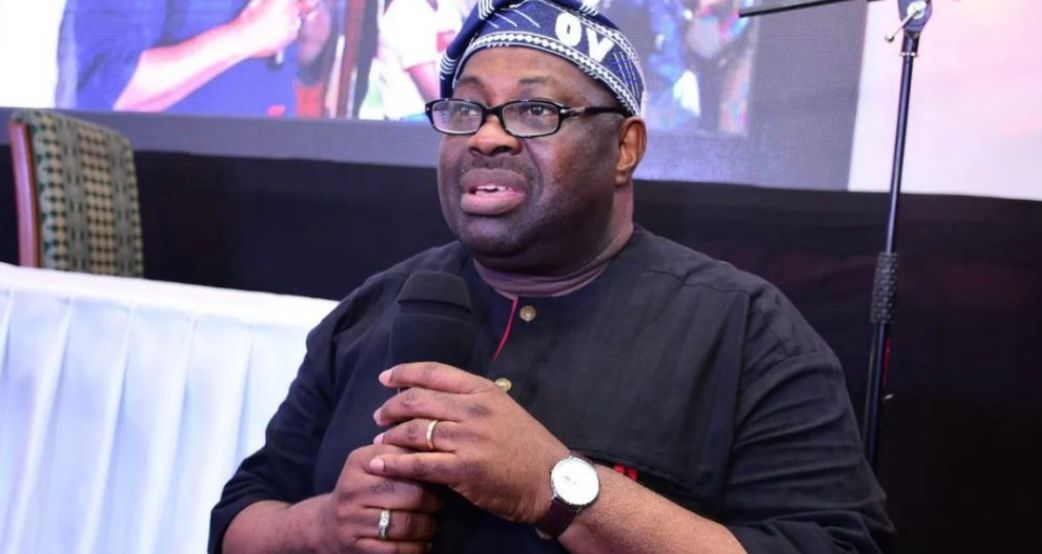
A chieftain of the African Democratic Congress, Dele Momodu, has cautioned Nigerians against placing all their political expectations for the 2027 presidential election on former Labour Party presidential candidate, Peter Obi.
Speaking during an interview on ARISE News on Tuesday, Momodu said the growing obsession with Peter Obi, zoning politics, and regional arguments is distracting Nigerians from discussing the real problems confronting the country ahead of the next general election.
According to him, issues such as insecurity, poor electricity supply, unemployment, economic hardship, weak governance, and declining living standards should dominate national political conversations rather than debates about where presidential candidates come from.
Momodu Says Zoning Debate Is Distracting Nigerians
The veteran journalist and politician criticised the increasing focus on zoning arrangements and ethnic calculations ahead of the 2027 election, describing it as a deliberate distraction from more pressing national matters.
Momodu argued that many political discussions in Nigeria have now been reduced to regional identity politics instead of competence, leadership quality, and practical solutions to the country’s challenges.
In his words:
“I’m not going to be bogged into this zoning brouhaha because I’ve realized that it is a deliberate distraction from the important issues that we should be discussing.”
He further lamented that conversations around governance failures are gradually being overshadowed by debates about which region should produce the next president.
According to him:
“Instead of us now discussing we have no electricity, security is nil, and so on and so forth, all we’re now talking about is where a man comes from. I think it’s like someone has hypnotized us.”
Momodu maintained that Nigerians should focus more on leadership competence and policy direction rather than ethnic or regional affiliations.
APC Accused of Fueling North-South Political Divide
The ADC chieftain also accused the ruling All Progressives Congress of deliberately promoting zoning debates as part of a broader political strategy aimed at retaining power in 2027.
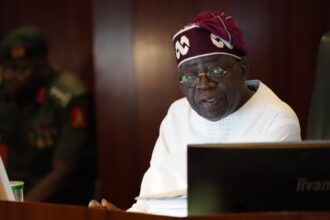
According to him, President Bola Tinubu and the APC are benefiting politically from the growing North-versus-South narrative because it weakens opposition unity.
Momodu claimed that the ruling party understands the importance of division within opposition ranks and is using regional politics to create distractions ahead of the election cycle.
Despite acknowledging that zoning remains politically important in Nigeria, he stressed that the country’s constitution does not prevent any qualified Nigerian from contesting for the presidency regardless of regional background.
He argued that while political parties may adopt zoning arrangements internally, competence and national acceptance should remain the major deciding factors for voters.
Peter Obi and Kwankwaso Alliance Not a Guaranteed Victory
Speaking further, Momodu addressed growing speculation surrounding a possible political alliance between Peter Obi and former Kano State governor, Rabiu Musa Kwankwaso.
He dismissed claims that a partnership between both politicians would automatically guarantee victory for the opposition in 2027.
According to Momodu, elections in Nigeria are not won solely through social media popularity, emotional support, or public excitement.
Instead, he stressed that victory depends heavily on political structure, grassroots mobilisation, strategic alliances, voter numbers, and effective coordination across the country.
The media entrepreneur warned Nigerians against assuming that popularity online automatically translates into electoral success at the polls.
Growing Political Realignments Ahead of 2027
Momodu’s comments come amid increasing political realignments and coalition talks among opposition figures ahead of the 2027 presidential election.
Several opposition leaders and political blocs have continued discussions around possible alliances aimed at challenging the APC in the next general election.
At the same time, debates over zoning, power rotation, and regional balance have intensified across Nigeria’s political landscape, especially following disagreements among opposition parties over whether the presidency should remain in the South or return to the North after President Tinubu’s first term.
Political analysts believe the coming months could witness stronger coalition negotiations as opposition parties attempt to build a united front ahead of the 2027 race.
However, Momodu’s remarks suggest that beyond coalition talks and regional calculations, the real challenge for opposition parties may be presenting practical solutions to Nigeria’s economic and governance problems while building the nationwide political structure required to defeat the ruling party.