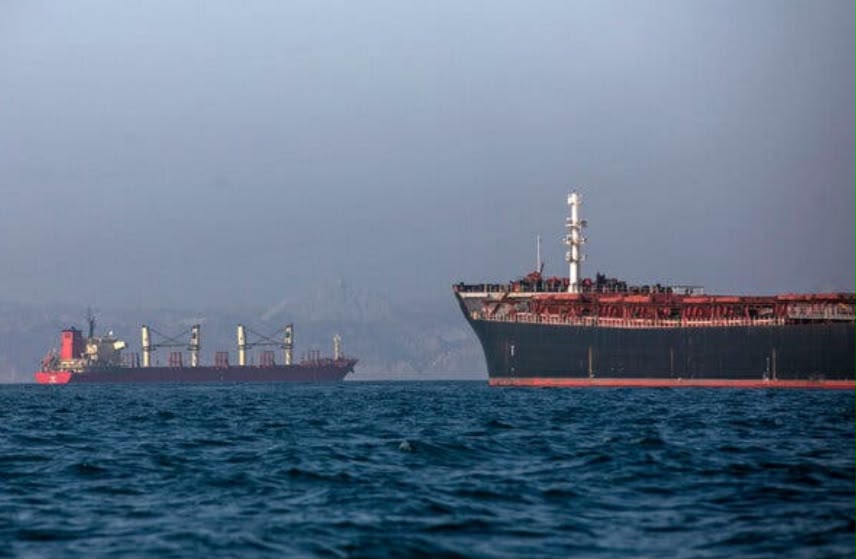
Iran’s Revolutionary Guards have announced the closure of the Strait of Hormuz “until further notice,” escalating tensions in the Gulf and raising fresh concerns over global oil supplies and international shipping.
According to Iranian state media, the announcement came after the Guards fired warning shots at a vessel they claimed ignored instructions to use an approved shipping route.
The development adds another layer of uncertainty to already fragile diplomatic efforts between Iran and the United States, following recent exchanges of military strikes and escalating threats.
In a statement carried by the state-run IRNA news agency, the Revolutionary Guards said the vessel was stopped after failing to comply with repeated directives.
“Following this incident… the Strait of Hormuz will be closed until further notice and until the end of American interventions in this region, and no vessels will be allowed to pass through,” the Guards said.
The military also warned that it would target “new enemy bases in the region” if further military action was taken against Iran.
The Strait of Hormuz is one of the world’s most strategic shipping routes, with about 20 percent of global oil and liquefied natural gas (LNG) exports passing through the waterway.
Any disruption to traffic in the strait is expected to have a significant impact on global energy markets and international trade.
The latest announcement comes after reports that the United States had given Iran a deadline to stop interfering with commercial shipping and publicly acknowledge that the waterway remains open.
Iran has maintained that it has the right to regulate movement through the strait and has previously announced plans to impose fees on vessels using the route.
However, the United States insists that international shipping must continue to move freely through the strategic waterway, arguing that international law does not permit countries to restrict or charge tolls for passage through major international straits.
The situation is expected to remain under close international watch as concerns grow over the potential impact on global trade and regional stability.
Source: IRNA.