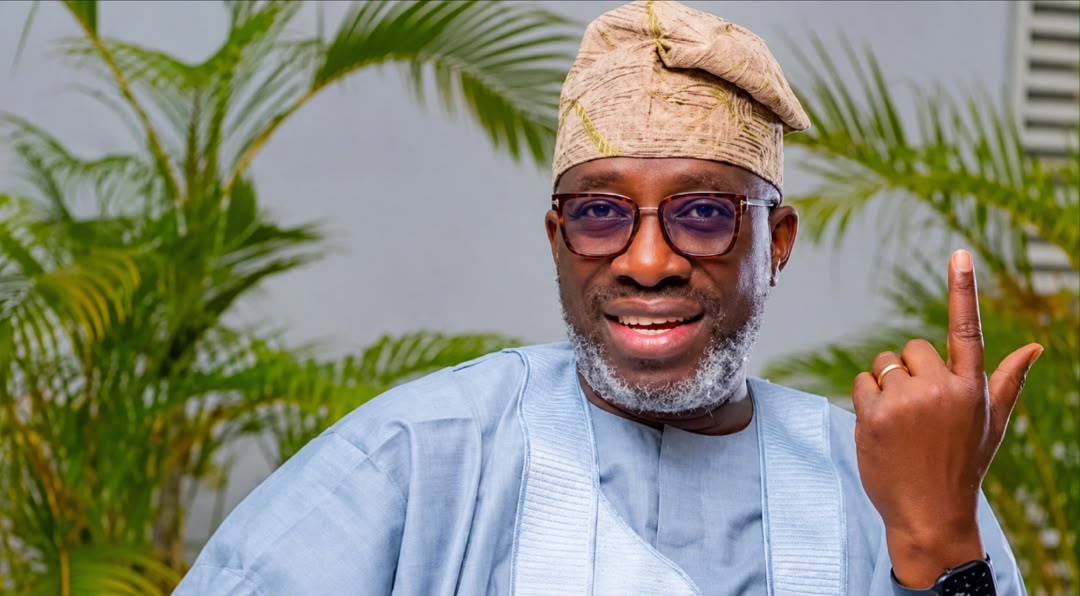
Political commentator Segun Sowunmi has identified Peter Obi and his supporters, popularly known as Obidients, as major obstacles to the South-East’s ambition of producing Nigeria’s next president, arguing that the region needs stronger political alliances to achieve its goal.
Sowunmi, convener of The Alternative, made the remarks during an interview on the Selah Meditate Podcast, where he discussed the 2027 general election and the prospects of presidential aspirants.
According to him, winning the presidency in Nigeria requires strategic negotiations and cooperation across ethnic, regional and political boundaries.
“The biggest obstacle I see to the Igbo presidency is Peter Obi and his Obidients. Let me tell you why. Power must be negotiated,” Sowunmi said.
He argued that the South-East must build stronger relationships with other regions, beginning with political cooperation across the South before extending its alliances to the Middle Belt and northern Nigeria.
Sowunmi maintained that a presidential ambition could not succeed in a diverse country like Nigeria without efforts to reduce political hostility and win the confidence of other groups.
“You can’t be asking for the presidency in a multi-ethnic, multicultural country when the level of bigotry and hatred and anger is too high,” he said.
Sowunmi Criticises Conduct of Obi’s Supporters
Explaining his position, Sowunmi accused some supporters of Obi of displaying hostility that could push away potential political allies and deepen negative perceptions of the South-East.
He specifically pointed to what he described as the irritation caused by the conduct of some Obidients across the country.
“The quality of the irritation that his Obidients create all over,” he said.
Sowunmi compared political leadership to military command, arguing that leaders had a responsibility to manage their supporters and prevent their actions from undermining broader political objectives.
“A general has significant responsibility to manage his troops,” he said.
He added that political figures should discourage supporters from making statements that could be interpreted as tribal or discriminatory.
Sowunmi also contrasted the conduct of Obi’s supporters with that of supporters of former Vice-President Atiku Abubakar, arguing that provocative political comments did not necessarily have to become tribal disputes.
Sowunmi Questions South-East Political Strategy
The political commentator further questioned what he described as a contradiction between the economic influence of some Igbo businesspeople and the grievances expressed over Nigeria’s political and economic conditions.
He referenced the presence of Igbo entrepreneurs in sectors such as markets, retail, real estate, banking and privately owned airlines.
According to Sowunmi, the region’s economic interests should encourage greater engagement with Nigeria’s political system and stronger efforts to build relationships with other parts of the country.
He maintained that if the South-East hopes to produce a Nigerian president, its political leaders must prioritise negotiation, cooperation and alliances beyond their immediate support base.
His comments come as political parties and potential presidential contenders begin positioning themselves ahead of the 2027 general election.