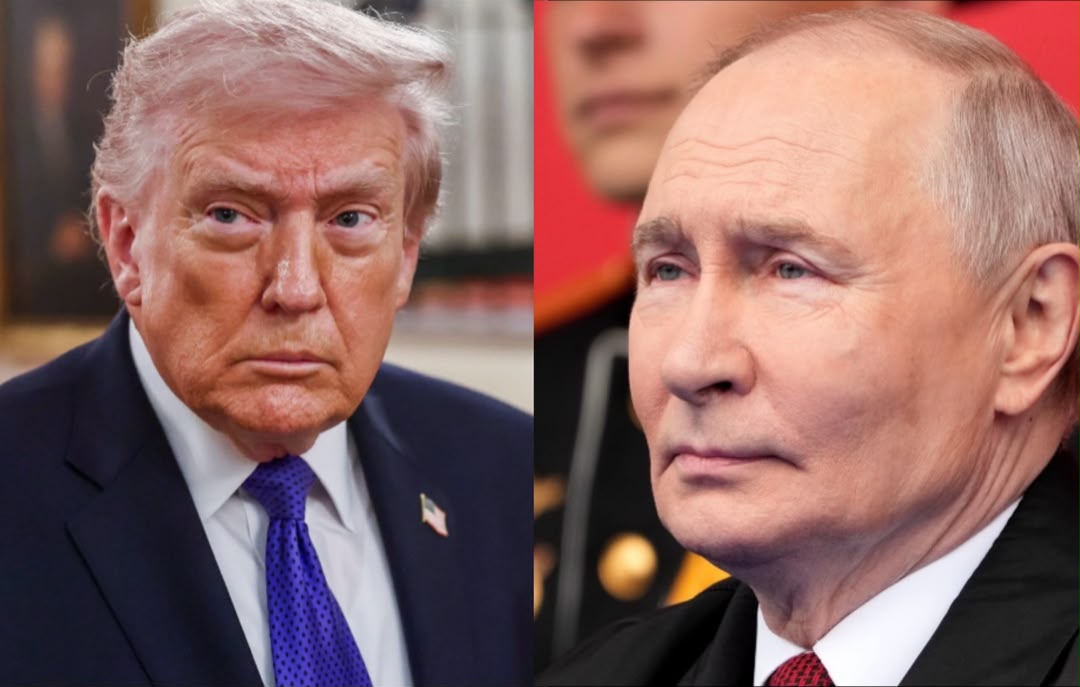
US President Donald Trump will take up to 60 days to assess the economic consequences of sanctions and tariffs targeting Russia that he recently suspended, Secretary of State Marco Rubio has said, as Washington weighs its approach to the war in Ukraine and rising global energy costs.
Rubio made the announcement on Saturday, a day after Trump signed an executive order waiving key restrictions linked to Russian exports. The measures were introduced under the Graham Act, which Trump signed last month following pressure from lawmakers seeking to increase pressure on Moscow over its invasion of Ukraine.
Speaking to reporters, Trump said he had not yet made a final decision on the sanctions issue.
“A lot of you don’t know what my decision is yet, but we’ll figure it out, and you’ll figure it out,” he said at his Mar-a-Lago club in Palm Beach, Florida.
Rubio explained that the president wanted additional time to examine the possible effects of imposing the sanctions and tariffs on both the US economy and global markets.
“I think the president wants to take the 60-day period of time to sort of analyze what imposing both sanctions and tariffs will mean to the global economy and even to the US economy,” Rubio told reporters before departing for Uzbekistan.
The suspended measures include tariffs on Russian goods and penalties targeting countries that purchase Russian oil and gas. They had been scheduled to take effect the following week.
Although Trump’s executive order did not specify how long the waiver would remain in place, Rubio said the president had chosen a 60-day period to review the implications.
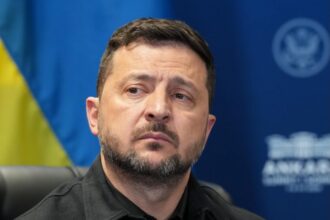
The decision has drawn criticism from Ukrainian President Volodymyr Zelensky, who warned that easing pressure on Russia could encourage President Vladimir Putin to continue the war.
US Defends Diesel Deal With Russia
Rubio also defended a separate agreement with Moscow intended to increase diesel supplies to international markets as energy prices rise amid the war involving Iran and disruptions to global fuel supplies.
He argued that the diesel would reach the market regardless, adding that the arrangement would determine how much of the supply went to the United States.
“That diesel is going to be sold one way or the other,” Rubio said. “The only difference is how much of it the United States was going to get.”
Trump said Russia would initially supply more than 300,000 metric tons of diesel to the United States, with further shipments expected in November and beyond.
US Energy Secretary Chris Wright defended the arrangement, describing it as an incentive intended to encourage an end to the war rather than provide Russia with financial support.
Wright argued that Moscow would only be able to increase its diesel exports if it reduced the conflict with Ukraine.
He also said additional supplies could benefit American consumers by easing fuel costs while contributing to efforts to achieve peace.
Washington Faces Pressure Over Global Energy Disruptions
Rubio said the sanctions waiver and diesel agreement reflected the difficulties facing the United States as conflicts in Ukraine and the Middle East disrupt energy supplies and affect global markets.
He warned that the consequences of these conflicts were increasingly overlapping, making decisions about sanctions and energy policy more complicated.
“These conflicts around the world are starting to crash into each other,” Rubio said.
The 60-day review will give the Trump administration more time to assess the economic implications of the sanctions before determining its next steps, while Ukraine remains concerned that easing restrictions could weaken pressure on Moscow.