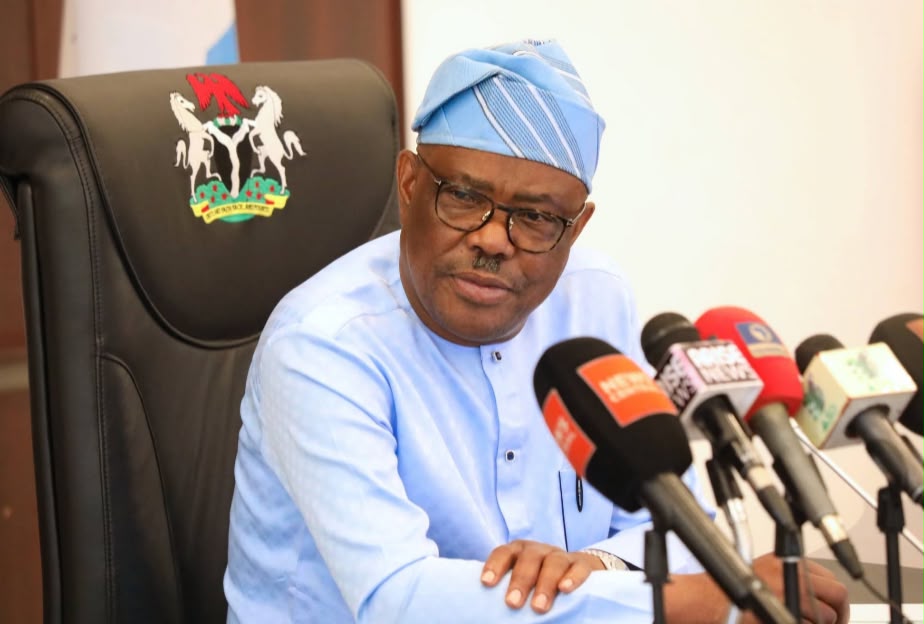
Amnesty International Nigeria has called on Federal Capital Territory (FCT) Minister Nyesom Wike and other relevant authorities to halt planned demolitions around a disputed utility corridor in Maitama, Abuja, warning that proceeding without resolving outstanding legal and technical concerns could endanger lives, property and essential infrastructure.
The organisation is also demanding an urgent review of the reported allocation of the land to a private entity for real estate development, arguing that the site may serve a critical public drainage function.
The dispute centres on Plot 5334 in Cadastral Zone A06, Maitama, which Amnesty International says reportedly houses underground stormwater and sewage drainage infrastructure built by Julius Berger Plc between 2012 and 2014 to help manage flooding in the area.
The group warned that allowing private construction on the site could compromise drainage systems, increase flood risks and undermine the integrity of Abuja’s Master Plan.
Legal Dispute Raises Concerns Over Demolition Notice
According to Amnesty International Nigeria, concerns about the proposed development have been repeatedly communicated to the authorities through administrative petitions.
The organisation said the matter is also before the courts, where an application for interlocutory injunctions seeks to prevent the development of Plot 5334 for private residential purposes and protect neighbouring property while the substantive suit is being determined.
It noted that the legal proceedings raise questions about the land’s designated purpose, its reported role as a drainage corridor and the possible consequences of allowing construction on the site.
The organisation further disclosed that an alternative dispute resolution process before the FCT Alternative Dispute Resolution Committee is reportedly nearing completion.
It added that the Federal Capital Development Authority (FCDA) had inspected the location and reportedly confirmed that it was reserved for an infrastructure corridor.
Amnesty International said these unresolved issues make it necessary for the authorities to address the legal, administrative and technical questions before taking any action that could cause permanent damage.
However, the organisation expressed concern that the Director of Development Control had issued a demolition notice dated October 9, 2026, reportedly targeting protective boundary structures along the corridor.
It warned that carrying out the demolition before a proper review could undermine due process, interfere with efforts to settle the dispute and expose nearby properties and critical infrastructure to avoidable risks.
The group specifically identified its National Office, surrounding residential buildings and nearby national security facilities as properties that could be affected by the proposed development.
Group Warns of Flooding and Environmental Risks
Amnesty International Nigeria also highlighted the potential environmental consequences of interfering with the drainage corridor.
It explained that obstructing the existing drainage infrastructure could disrupt stormwater movement, worsen flooding and expose surrounding communities and properties to serious environmental hazards.
The organisation recalled that it had written to Wike and the FCDA in May 2026, warning that construction along the corridor could threaten the structural stability of its office building and nearby residential premises.
According to the group, the correspondence also raised concerns that the development could expose the properties to severe flooding because the corridor serves a wider drainage function within the district.
Amnesty International is now calling for an independent technical assessment to establish the corridor’s drainage capacity, determine the likely effects of construction and evaluate the potential dangers to neighbouring properties and public infrastructure.
It maintained that decisions involving critical utility corridors should be based on verifiable technical findings, relevant laws and the broader public interest rather than private development interests.
Amnesty International Lists Demands for FCT Authorities
The organisation has urged the FCT minister, the FCDA and other relevant agencies to immediately suspend all planned demolition activities affecting the corridor while an urgent legal and technical review is conducted.
It said the review should take account of the ongoing court proceedings and the alternative dispute resolution process.
The group is also seeking a review of the reported allocation of Plot 5334 to a private entity, alongside the disclosure of the relevant allocation documents, planning approvals, technical assessments and legal justification for permitting private development on land reportedly reserved for public infrastructure.
Other demands include an independent assessment of the drainage system and a guarantee that construction will not proceed until the potential consequences for public safety, the environment and neighbouring properties have been properly examined.
Amnesty International further called on the authorities to uphold the rule of law, protect the rights of all affected parties, provide access to justice and effective remedies, and safeguard essential public infrastructure.
The organisation warned that allowing demolition to proceed while fundamental questions about the land’s status, the safety of the proposed development and the applicable legal procedures remain unresolved could result in irreversible damage.
It argued that a temporary suspension would give the relevant authorities time to address the dispute without exposing the public, surrounding properties or the environment to unnecessary risks.
Amnesty International Nigeria urged Wike to ensure that the agencies involved act transparently, lawfully and in the public interest, stressing that protecting Abuja’s critical infrastructure, public safety and the environment must take priority where these interests conflict with private development.