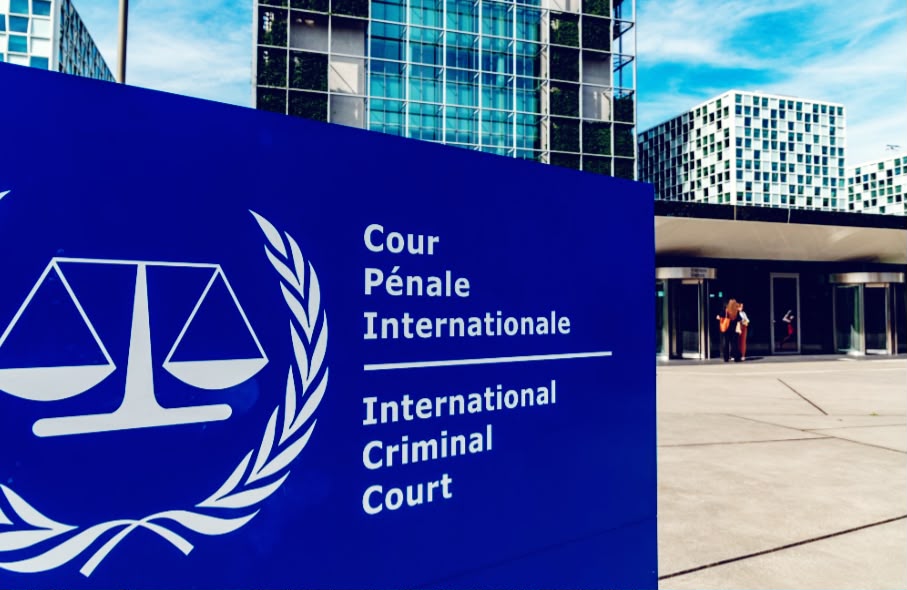
The International Criminal Court (ICC) has vowed to continue its work despite fresh sanctions imposed by the United States, warning that the measures are intended to disrupt its operations and intimidate those supporting the institution.
The sanctions were announced by the US on Friday, hours after a former ICC judge won the Nobel Peace Prize, adding to tensions between Washington and the international court.
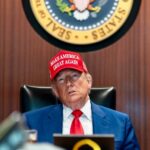
US Secretary of State Marco Rubio defended the move, saying President Donald Trump would not allow the ICC to prosecute American citizens.
“Either the ICC will end its threats, or we will end the ICC,” Rubio said.
He also called on US allies that are members of the court to take action against it, arguing that some of those countries rely on American military personnel for their defence.
ICC President Responds to US Sanctions
Reacting to the announcement in a video statement, ICC President Tomoko Akane rejected the pressure from Washington, insisting that the court would not abandon its responsibilities.
Akane said the sanctions were designed to interfere with the institution’s operations and intimidate its staff as well as individuals and organisations cooperating with it.
“The court, for its part, will not be deterred,” she declared.
She maintained that the ICC would continue carrying out its duties independently and impartially, guided by applicable laws and available evidence.
“The court will continue to fully discharge its mandate, with independence and impartiality, acting only on the basis of the law and the evidence, for the sake of the countless victims of grave crimes,” Akane said.
Her remarks signalled the court’s determination to continue its work despite the potential financial and operational consequences of the American measures.
ICC Calls on Member States to Defend International Justice
Akane urged the ICC’s 125 member states to take “concrete actions” to ensure that the institution had the resources required to fulfil its mandate.
According to her, the dispute goes beyond the future of one organisation and raises important questions about the international legal system.
“This is not just about defending a single institution, but about safeguarding the international order grounded upon the rule of law,” she said.
The ICC president also warned that the sanctions could have wider implications for international justice and people working to uphold legal accountability.
She argued that individuals should not face punishment for supporting efforts to deliver justice to victims of serious crimes.
“No one should be punished for serving the cause of justice. History will judge this moment,” Akane said.
She added that future generations, particularly victims of mass atrocities, would eventually assess how the international community responded when an institution established to protect them came under pressure.
How US Sanctions Could Affect the ICC
US sanctions can create significant financial and operational challenges for the individuals and institutions targeted.
The measures generally restrict American companies from conducting business with designated persons or organisations. They can also put pressure on financial institutions, insurers and software providers to discontinue their dealings with those affected.
Such restrictions could complicate access to financial services and other resources needed for the court’s daily operations.
However, Rubio indicated that the sanctions were designed to leave room for discussions with the ICC and its supporters.
He said the measures were structured to allow negotiations and to “present a solution to address our concerns”.
The development highlights the growing disagreement between Washington and the ICC over the court’s authority and its activities.
While the US administration has insisted that it will oppose actions it considers unacceptable against American citizens, the ICC maintains that it will continue fulfilling its mandate independently.
With the court refusing to back down, attention will now turn to how its member states respond to the sanctions and whether negotiations can ease the growing tensions.