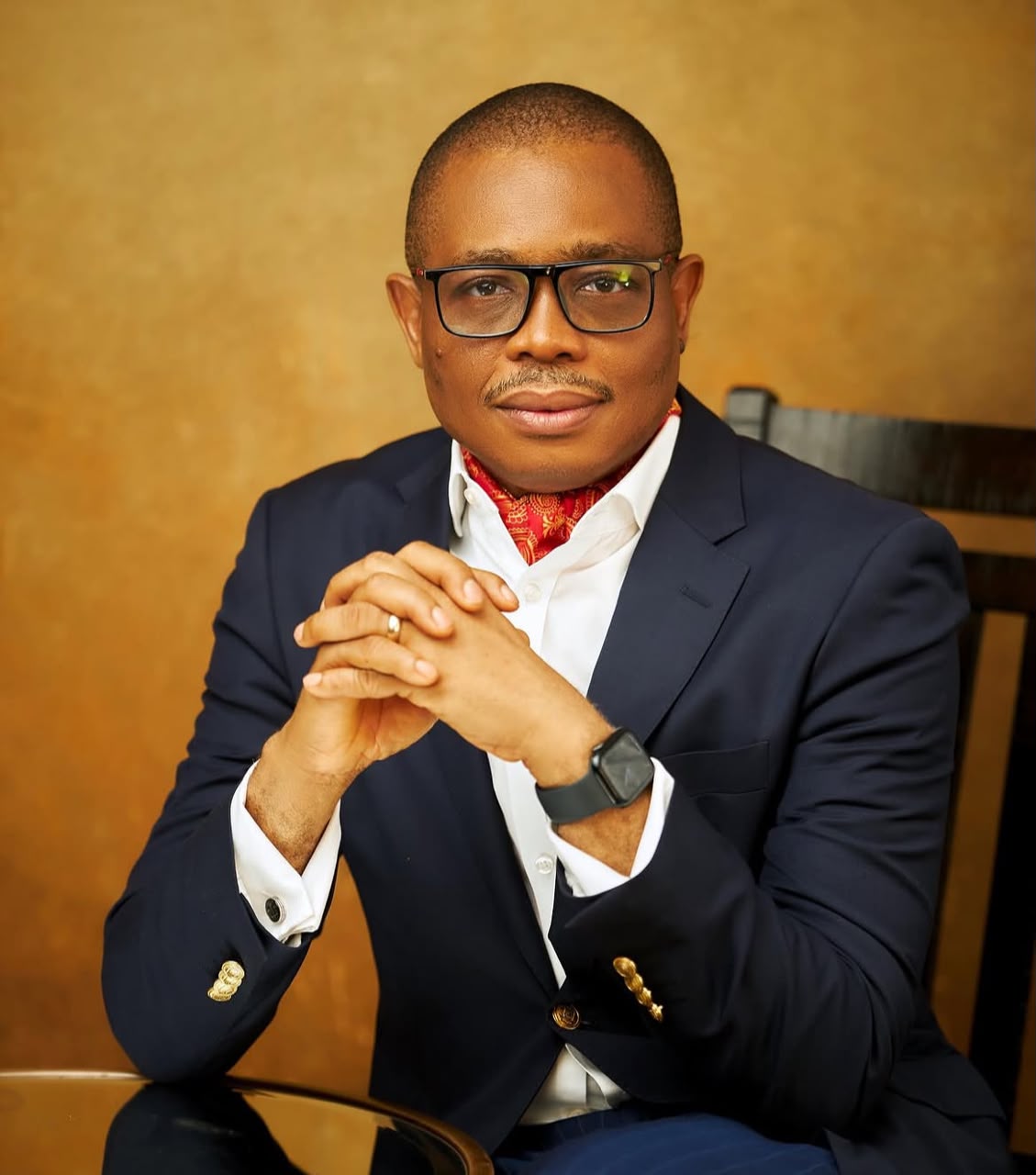
Former Nigerian Bar Association president, Afam Osigwe, SAN, has raised concerns over the growing number of election petitions in Nigeria, saying courts are increasingly being drawn into deciding questions that should ordinarily be settled by voters.
Osigwe spoke at the 22nd Nigeria Guild of Editors Conference in Enugu, where he examined the challenges surrounding election petitions, technology and the use of evidence in electoral disputes.
Speaking on “Election Petition in the Digital Age: Independence, Evidence, BVAS,” the senior lawyer said the difficulty of proving electoral violations has contributed to the increasing number of cases taken to court.
“I see that Nigeria is one of the countries with the highest number of election petitions,” Osigwe said.
He argued that the situation has resulted in what he described as the “judicialisation of the electoral process,” with courts becoming increasingly involved in determining who ultimately occupies elected positions.
According to him, the problem is partly linked to the way elections are conducted and the limited period available for candidates and political parties to gather evidence and prove alleged breaches of electoral laws.
Osigwe also questioned the independence of the Independent National Electoral Commission, saying the process through which members of the commission are appointed could affect public confidence in its autonomy.
He linked this wider concern to declining voter confidence, noting that some citizens may become less interested in elections when they believe the result of their votes could eventually be determined through litigation.
The lawyer also highlighted other problems affecting elections, including violence, voter intimidation, inducement and the use of young people in electoral violence.
Concerns Over BVAS and Election Evidence
Osigwe also examined the role of technology in Nigeria’s elections, recalling the introduction of card readers in 2015 and the subsequent deployment of the Bimodal Voter Accreditation System, BVAS, and the INEC Result Viewing portal, IReV.
While acknowledging the potential of technology to improve transparency, he expressed concern about the evidentiary hurdles faced by people who rely on technological records when challenging election results.
He argued that systems designed to improve elections should not create additional difficulties for petitioners trying to establish alleged irregularities.
Osigwe also questioned how subpoenaed documents are treated during election cases, saying some judicial interpretations could make it difficult for petitioners to obtain evidence that was not accessible to them before filing their cases.
On IReV, he argued that information available on the platform should have meaningful evidentiary value in election litigation, even if it is not treated as the primary record for determining results.
‘Go to Court’ and Election Disputes
The senior lawyer also criticised the popular phrase “go to court” often used by politicians following disputed elections.
He said the expression can give the impression that political actors view litigation as an inevitable part of the electoral process rather than ensuring credible elections at the polling stage.
Osigwe also raised concerns about public perceptions of corruption within the judiciary, while making it clear that he was not endorsing specific allegations of bribery against judges.
He said such perceptions could damage public confidence in the justice system even when the allegations have not been established.
The former NBA president further argued that political parties should have greater freedom to resolve internal disputes, particularly those arising from the selection of candidates, rather than turning every disagreement into prolonged litigation.
Ultimately, Osigwe said Nigeria needs electoral institutions and laws that allow voters to have greater confidence that their votes will determine who governs them.
His central concern, he said, is that the courts should resolve genuine electoral disputes rather than becoming the place where political victories are effectively decided after voting has ended.