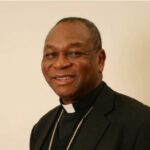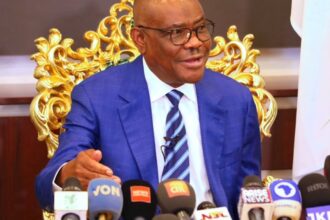
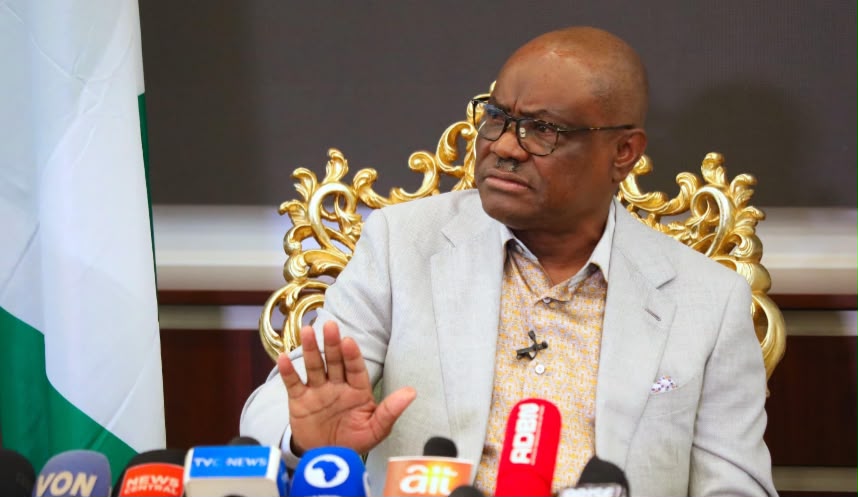
Minister of the Federal Capital Territory (FCT), Nyesom Wike, has accused Cardinal John Onaiyekan, former Archbishop of Abuja, of being partisan, insisting that his recent criticism of President Bola Tinubu’s administration should be viewed in light of his political preferences.
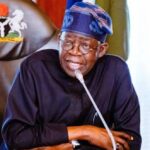
Speaking during his monthly media chat with journalists in Abuja on Tuesday, Wike reacted to comments made by Onaiyekan after the recent meeting between President Tinubu and the Catholic Bishops’ Conference of Nigeria (CBCN). The Cardinal had disclosed that the bishops informed the President about the economic hardship facing Nigerians and said Tinubu appeared unhappy with their message.
The remarks sparked reactions from the Presidency, with presidential aide Daniel Bwala accusing the cleric of being more political than spiritual. Wike also aligned himself with that position, arguing that Onaiyekan’s political preference is well known.
“I am aware of the position of Cardinal Onaiyekan. All of us know… it’s not hidden. Who he supports? Everybody knows that,” Wike said.
The former Rivers State governor maintained that the Cardinal cannot claim to be neutral in his criticism of the All Progressives Congress (APC) administration because many prominent figures openly took political sides during the 2023 general election.
“Please don’t tell me he is not partisan. Don’t tell me that. You know what happened during the 2023 election? People took sides, leaders took sides. It was very open,” he stated.
According to Wike, it would be unrealistic to describe certain public figures as impartial when their political affiliations are already known.
“I would be stupid to sit here for anybody to tell me this person is impartial. No, we know ourselves in this country. We know who belongs where,” he added.
Despite his criticism of Onaiyekan, Wike stressed that he is not opposed to religious leaders or other Nigerians speaking out against the government, noting that constructive criticism is necessary for good governance.
He explained that government officials rely on public feedback to identify areas that require improvement but argued that criticism should be fair, balanced and objective.
“I have always said this, particularly to religious leaders and our elders, I’m not against comments about the government. Because if comments are not made about the government, the government would not know areas where they should concentrate or focus,” he said.
The minister, however, warned that when criticism comes consistently from the same individuals without acknowledging any positive achievements, it could create the impression that such comments are politically motivated rather than driven by national interest.
“If you are a religious leader and it is perceived or seen that you are taking sides, it becomes difficult for people to begin to see those comments as helpful or real,” Wike stated.
He also urged public commentators to recognise areas where the government has performed well while pointing out areas that require improvement.
“You don’t every time say, things are bad, things are bad. Nobody has heard you say, one day, government has done this well. As a leader, commend government when government has done well on some areas. Criticise government… but if the comments are every time nothing positive, then government would worry about you,” he added.
The latest exchange is part of the ongoing debate that followed the meeting between President Tinubu and the Catholic bishops, with both the Presidency and church leaders offering differing perspectives on the state of the economy, governance and preparations ahead of the 2027 general election.