China is tightening its grip on wealth held overseas by its richest citizens, introducing a new tax policy that could bring billions of dollars into government revenue as the country faces growing financial pressure.
Under the new rules, wealthy individuals have until Thursday to meet initial payment requirements for a 20 per cent tax on interest and dividend income earned through offshore trusts. The 90-day transition period began after the regulations were announced in July.
Many of China’s millionaires and billionaires reportedly keep their wealth in financial structures across Hong Kong, Singapore, Tokyo and other international locations. The new policy has triggered a rush among wealthy families to review their investments and financial arrangements, according to analysts.
The move comes as China battles economic challenges, particularly at the local government level. Authorities that previously depended heavily on land sales for income are facing financial difficulties amid a prolonged property crisis.
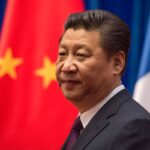
President Xi Jinping has repeatedly pledged to tackle corruption and wealth inequality in China. The government is now seeking ways to generate more revenue from the substantial fortunes held by its wealthiest citizens.
Analysts believe the tax drive could become a long-term policy rather than a temporary measure. Dan Wang, a director on Eurasia Group’s China team, told AFP that the country’s financial pressures would likely sustain enforcement of the new overseas tax rules.
She also predicted that personal income tax would become an increasingly important source of government revenue.
Hong Kong’s position as a major financial centre highlights the scale of the wealth involved. According to a report by Boston Consulting Group, the city overtook Switzerland last year as the leading destination for foreign and cross-border capital, holding approximately $2.9 trillion.
The report attributed the figure partly to money flowing from mainland China and strong activity in the stock market.
However, questions remain about who will be affected by the new tax. China’s State Tax Administration said in its July 24 announcement that some individuals who have obtained foreign citizenship or overseas residency could still fall under the rules if their main economic interests remain tied to China.
Law firm King & Wood said the provision suggests that moving abroad or acquiring another nationality may not automatically exempt someone from China’s worldwide taxation system.
Beyond raising revenue, some experts believe Beijing also wants to discourage wealthy individuals and businesses from moving their money and expertise overseas as tensions with the United States continue.
Alicia Garcia-Herrero, Asia-Pacific chief economist at Natixis, told AFP: “This is not only a tax on wealth. It’s much more than that.”
She added: “It’s a way to keep the talent in China.”
The policy follows other moves by Chinese authorities to limit the transfer of strategic technology abroad, including the blocking earlier this year of Meta’s planned acquisition of artificial intelligence startup Manus.
Wang said the tax measures could also help keep money within China, where it could support investment in areas such as technological innovation.
As Beijing searches for additional revenue, the new rules signal a tougher approach to offshore wealth and raise fresh questions about how far China will go to bring its citizens’ overseas earnings within its tax system.
Source: AFP