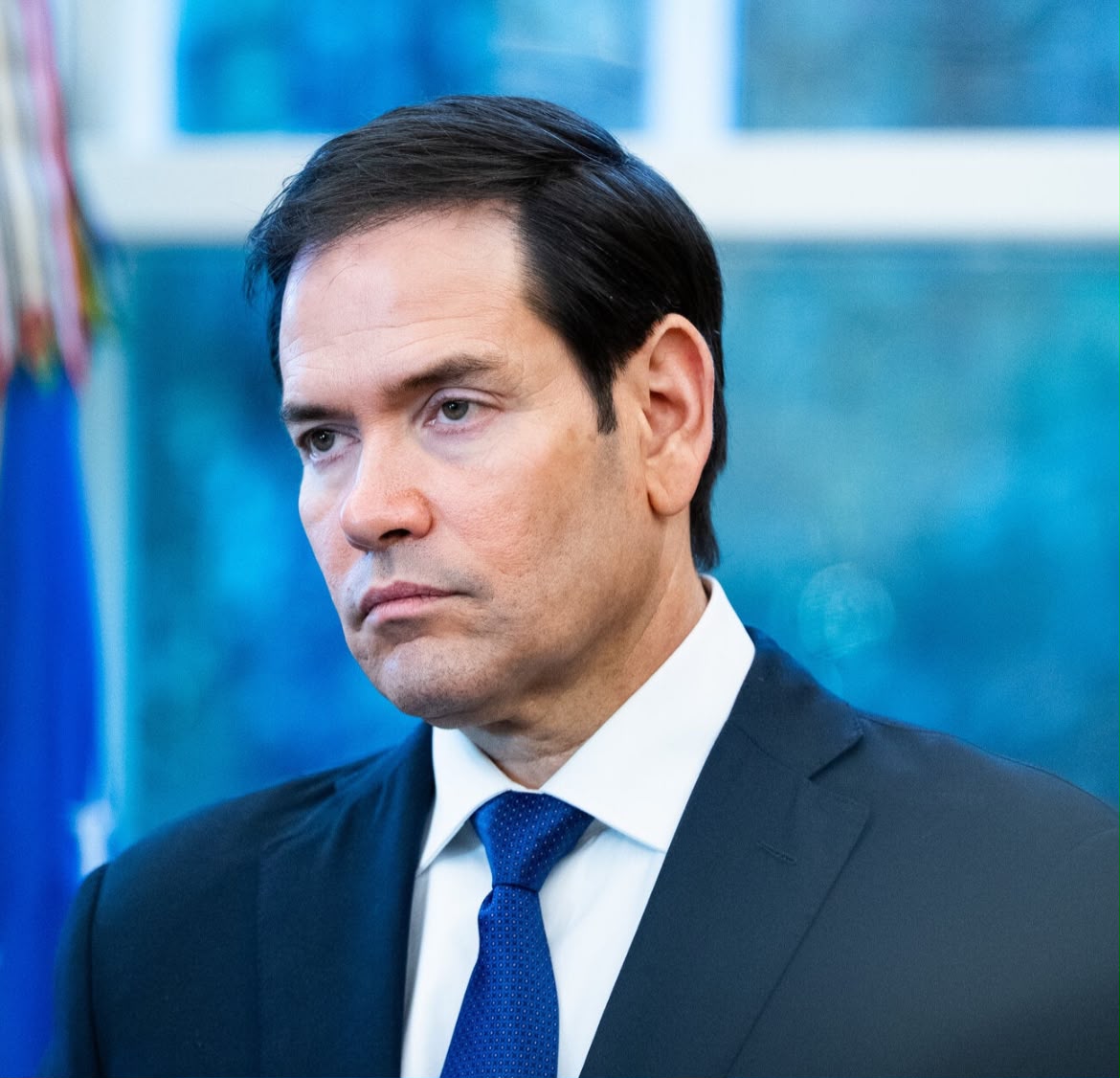
US Secretary of State Marco Rubio has said decisions about Ukraine’s access to Starlink rest with Elon Musk’s SpaceX rather than the White House, raising further questions about the satellite service’s role in supporting Ukraine’s defence against Russia.
Rubio made the remarks on Wednesday while speaking to reporters during a visit to India, following reports that Musk had ordered restrictions on a military-grade version of Starlink used by Ukraine.
The Wall Street Journal reported on Tuesday that Musk had ordered a slowdown of the service, which Ukraine relies on to help defend itself against Russian missile attacks.
The newspaper cited one source who said Musk, US President Donald Trump and White House officials had discussed the matter beforehand. Two other sources reportedly said Musk and Trump discussed the issue in the days after the slowdown.
However, Rubio said he was unaware that the US government had known about the decision in advance, adding that the issue was ultimately governed by a private commercial agreement.
“I’m not aware that we knew about this decision beforehand. But that’s irrelevant,” Rubio told reporters.
“The bottom line is that that is governed by a private commercial contract as to how their stuff can be used and what speeds they’ll allow it to be used at.”
Musk and SpaceX did not respond to requests for comment.
Conflicting Accounts Over Who Ordered the Slowdown
Rubio’s comments come amid conflicting accounts of who was responsible for the reported restrictions.
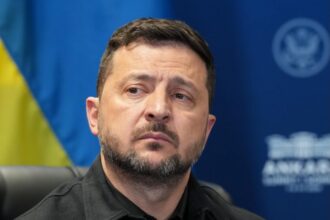
Reuters has cited two US officials and a Western official briefed on the matter who said the decision ultimately came from the White House. Ukrainian President Volodymyr Zelenskiy has also made that claim, although the Trump administration has denied it.
The latest remarks are likely to fuel concerns in Washington about Musk’s ability to influence US foreign policy through his control of a satellite communications service used by Ukraine.
They also appear to mark a shift in the administration’s public position on the matter.
Trump has previously said he believed neither he nor Musk was responsible for the slowdown. Rubio had also said on Saturday, before departing for visits to Uzbekistan and India, that nobody had ordered the service to be slowed down.
At the time, Rubio suggested the disruption was not deliberate and said he understood that service had been restored.
“I’m not sure Zelenskyy knows what he’s talking about, but it wasn’t deliberate,” Rubio said.
“We have nothing to do with that. I don’t – the United States, nobody ordered that Starlink speed to be slowed down. It sort of happened, but my understanding is it’s been restored,” he added.
Pentagon Points to Starlink’s Commercial Terms
US Defence Secretary Pete Hegseth also described the reported cutoff as a commercial matter when speaking to reporters on Tuesday.
“There are terms of service that ultimately need to be complied to, and that’s where Starlink has the option to make those decisions,” Hegseth said.
However, no US official has publicly confirmed that Washington pressured SpaceX to reverse any restrictions on the service.
One source of confusion is the distinction between Starlink and Starshield, two related but different SpaceX products.
Starlink is a satellite internet service, while Starshield is a military-grade system developed for the Pentagon.
Rubio suggested on Saturday that Ukraine had never been given access to Starshield. Zelenskiy, however, has said that both Starlink and Starshield services in Ukraine have been disrupted.
The differing accounts have left questions about the scope of the reported restrictions, who authorised them and how they could affect Ukraine’s military communications.