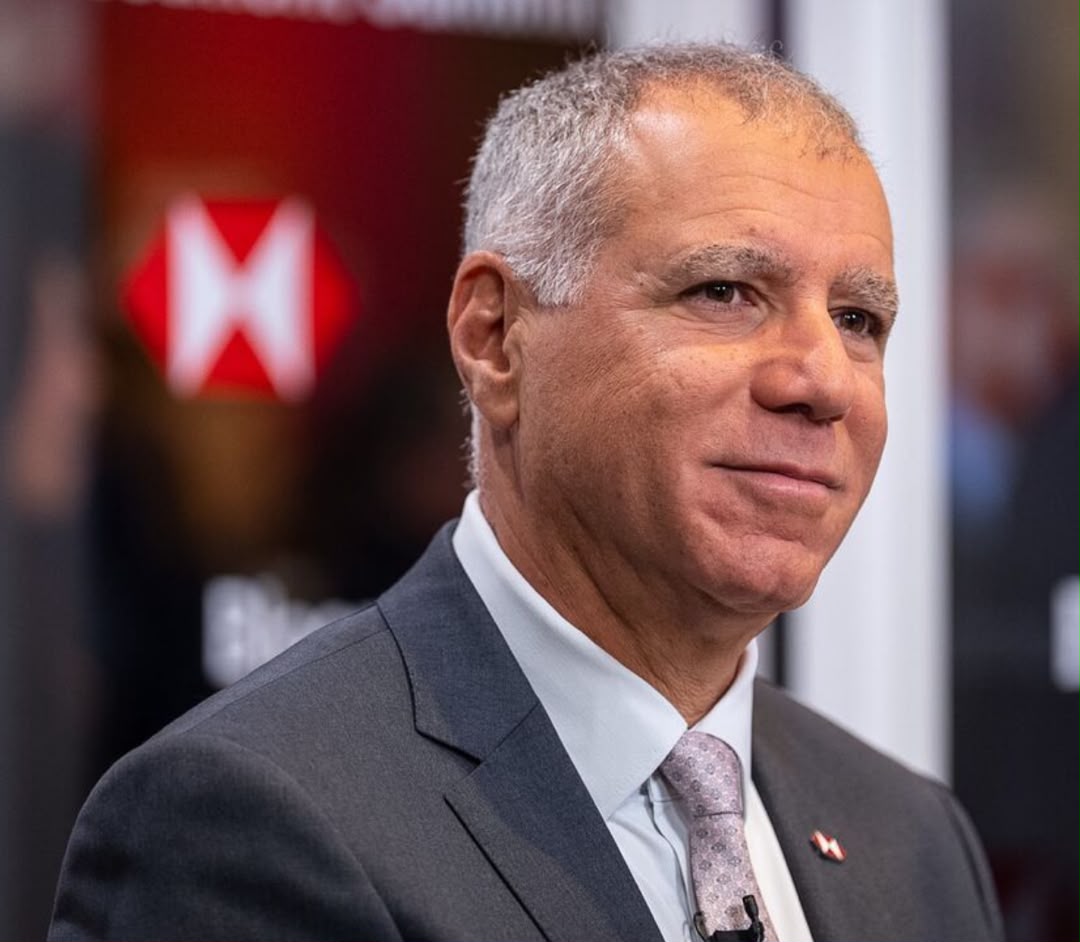
HSBC Group Chief Executive Georges Elhedery has said the Strait of Hormuz could become “redundant” within the next five years as Gulf countries invest in alternative routes to transport energy and other goods amid the ongoing Iran war.
Elhedery made the remarks on Tuesday during the HSBC Future Forum in Dubai, explaining that the conflict had exposed the world’s heavy dependence on the strategic waterway.
Before the conflict, approximately one-fifth of global oil and liquefied natural gas trade passed through the Strait of Hormuz, making it one of the world’s most important energy shipping routes.
The disruption has pushed Gulf nations to consider alternative logistics networks, including energy pipelines connecting production areas to ports outside the strategic waterway.
According to Elhedery, these investments could help countries across the region reduce their vulnerability to the conflict and support future economic growth.
“We do see this region being able to recover and then continue growing. It will mean a lot of investment,” the HSBC chief executive said.
He also expressed hope that the conflict would be resolved but suggested that the region’s investment in alternative routes could eventually reduce the importance of the strait.
“Of course, we do wish and hope to see a resolution to the conflict … But Hormuz, probably in five years’ time, may become redundant,” he added.
Billions of Dollars Planned for Regional Infrastructure
The Middle East, North Africa and Turkey are offering $872 billion in individual project packages as part of a broader $1.4 trillion pipeline of planned and unawarded infrastructure projects, according to an HSBC report published on Monday.
The report cited data from MEED, a Dubai-based platform that provides market intelligence on the construction industry.
Despite the regional conflict, a recent HSBC survey of more than 1,600 business leaders and approximately 820 global institutional investors found that respondents continued to regard the Gulf as an attractive investment destination.
However, the economic outlook for the wider region has weakened because of the war.
After recording growth of 3.3 per cent in 2025, the World Bank forecast last week that the Middle East, North Africa and Pakistan region would experience an economic contraction of 1.3 per cent in 2026.
The institution expects a strong but uneven recovery in 2027.
Saudi Investment Conference Postponed
Elhedery was among the global financial leaders expected to attend Saudi Arabia’s flagship investment conference, which had been scheduled for the following week.
However, the event was postponed until 2027 on Monday following deadly strikes in Riyadh by Yemen’s Iran-backed Houthi movement.
The postponement adds to the uncertainty surrounding investment and economic activity in the region as the conflict continues.