The Socio-Economic Rights and Accountability Project (SERAP) has sued the Independent National Electoral Commission (INEC), demanding answers over more than ₦126.46 billion earmarked for electoral operations but allegedly mismanaged, diverted, lost or left unaccounted for.
The organisation is asking the Federal High Court in Abuja to compel INEC to disclose how the funds were spent, who received the payments and whether the goods and services covered by the contracts were actually delivered.
The lawsuit, numbered FHC/ABJ/CS/2507/2026, was filed last week following findings contained in the 2023 audited report of the Auditor-General of the Federation, published on August 7, 2026. The report examined transactions from January to December 2022, with some findings extending to December 31, 2023.
The funds were intended for essential electoral needs, including ballot boxes, voting equipment, sensitive materials, result sheets, vehicles, accreditation devices, digital archiving and consultancy services.
SERAP is seeking an order of mandamus requiring INEC to provide a detailed financial and documentary account of the money, including amounts released and paid, the contractors involved, payment beneficiaries and their beneficial owners.
“Electoral resources are public resources. INEC must be able to account for every naira, demonstrate that it was lawfully spent and show that it served the purposes for which it was appropriated,” the organisation argued.
The group said transparency was particularly important with the 2027 general elections approaching, stressing that accountability over electoral spending was necessary to protect public confidence in the voting process.
Auditor-General Flags Billions in Questionable Payments
According to SERAP, the Auditor-General’s report identified more than ₦112.15 billion in payments for ballot boxes, electoral devices and other materials that were allegedly made without competitive bidding or a Certificate of No Objection from the Bureau of Public Procurement (BPP).
The organisation said the report found no evidence that the items had been procured and raised concerns about contracts awarded to companies whose experience, capacity, business addresses and factory locations were unknown. The Auditor-General reportedly recommended recovering the funds.
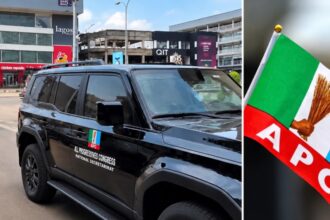
SERAP also cited an alleged payment of more than ₦1.05 billion for Toyota Prado TXL 2021-model vehicles. According to the organisation, the transaction lacked advertisements, competitive bidding, bid evaluation and the required BPP certificate, raising concerns about possible losses and inflated contract costs.
Another finding involved more than ₦3.13 billion allegedly paid to four contractors for ballot guides, sensitive materials and result sheets before the contracts were awarded. SERAP said the report raised concerns about possible diversion and recommended recovering the money and returning it to the treasury.
The organisation further highlighted payments exceeding ₦9.24 billion for 22 contracts involving similar goods and services. It alleged that the contracts were split to bypass procurement rules and awarded on the same day. The Auditor-General reportedly questioned whether the goods had been supplied and whether public funds had been lost.
Other transactions flagged in the suit included more than ₦129 million paid to 19 accounting firms for financial audit services without sufficient evidence of utilisation, requests or expenditure by the consultants.
SERAP also cited a payment exceeding ₦504 million for accreditation devices allegedly made without proper procurement procedures. The report reportedly noted that the APG had expired before the security licence key was delivered and that the software was valid for only four months, raising questions about value for money.
In addition, the organisation said more than ₦235 million was allegedly paid to contractors for sleeping mats and digital archiving despite concerns about their qualifications and capacity to carry out the work.
SERAP Demands Names of Contractors and Proof of Deliveries
Beyond seeking an explanation for the funds, SERAP wants INEC to provide documentary and physical evidence that the more than ₦112 billion identified as irregularly paid was used to obtain the relevant electoral materials.
It is also asking the commission to disclose the current location and condition of the equipment and other items reportedly purchased with public money.
The organisation wants the names of contractors, suppliers, companies and consultants who received the payments made public, alongside the identities of INEC officials and other public officers who authorised, processed or facilitated the transactions or benefited from them.
SERAP is further seeking an order to prevent electoral equipment, materials and other public assets covered by the audit findings from being disposed of, transferred, destroyed, written off or otherwise handled in a way that could frustrate accountability.
The group argued that Nigerians have a right to know whether contracted goods and services were delivered, whether payments matched actual supplies and whether contracts were deliberately divided to avoid procurement requirements.
In its legal arguments, SERAP cited provisions of the 1999 Constitution requiring the state to combat corruption and abuse of power. It also referred to Nigeria’s obligations under the United Nations Convention against Corruption, which promotes transparent public procurement and financial management.
The organisation further relied on Article 25 of the International Covenant on Civil and Political Rights and Article 13 of the African Charter on Human and Peoples’ Rights, which protect citizens’ participation in public affairs.
SERAP said the allegations raise serious questions about the management of public funds by the country’s electoral body and insisted that INEC must provide answers.
The allegations remain subject to the legal process, and the lawsuit seeks to compel the commission to account for the spending and disclose relevant records.