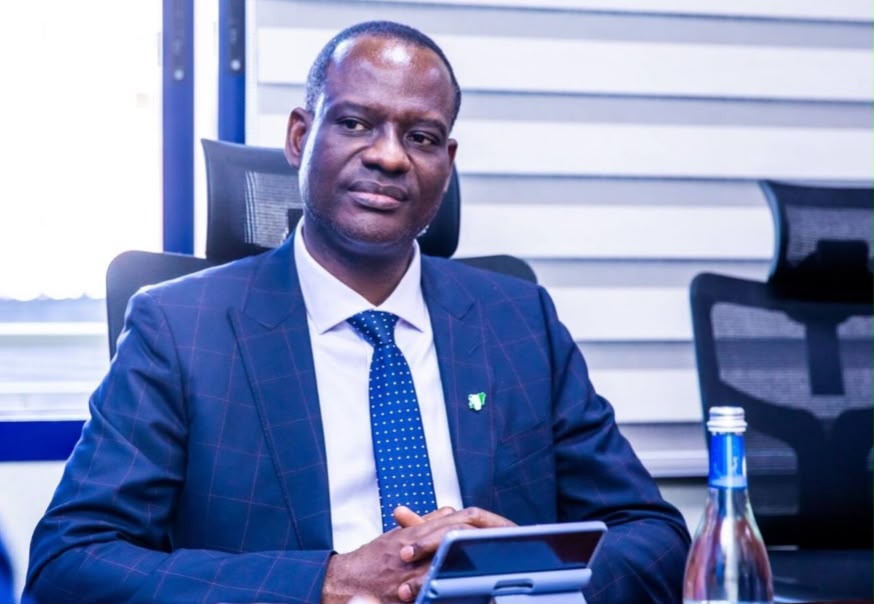
Nigeria will not bring back petrol subsidies or return to a multiple exchange rate system, Finance Minister Taiwo Oyedele has declared, warning that reversing the country’s economic reforms could undermine investor confidence and drive away capital.
Oyedele, who is also the coordinating minister of the economy, made the position clear on Saturday during a press briefing on the sidelines of the 2026 International Monetary Fund (IMF) and World Bank annual meetings in Bangkok, Thailand.
He said the Federal Government remained committed to the economic policies introduced under President Bola Tinubu, adding that its position had been communicated during discussions with investors, credit rating agencies and international financial institutions.
“Let me be clear, there will be no return to fuel subsidies or multiple exchange rates,” Oyedele said.
The minister also clarified that a recent 30-day reduction in retail margins by the Nigerian National Petroleum Company Limited (NNPC) should not be mistaken for a return to petrol subsidy.
According to him, the decision was a temporary commercial measure intended to reduce margins and provide some relief to Nigerians, rather than a subsidy financed with public funds.
Oyedele argued that reversing the reforms could damage the progress made towards economic stability. He said the government was instead considering ways to reduce the pressure of rising energy costs without restoring a blanket petrol subsidy.
Nigeria Targets 7% Economic Growth
Despite the challenges facing the economy, Oyedele said Nigeria was targeting annual economic growth of 7 per cent, arguing that the country could perform better than current international projections suggest.
The IMF has projected Nigeria’s economy to grow by 4.2 per cent in 2026 and 4.3 per cent in 2027.
However, the finance minister believes stronger growth is achievable if the government maintains its reforms and addresses the obstacles facing businesses and households.
“We have a target of 7 percent growth,” he said.
Oyedele identified lower inflation, reduced borrowing costs and measures to ease pressures from food, energy and transportation expenses as important factors in achieving the target.
He also pointed to easing inflation and stronger external reserves as signs of progress, while stressing that improvements in economic indicators must translate into increased business activity and better living conditions for Nigerians.
Oyedele Warns AI Could Worsen Job Shortages
Beyond Nigeria’s immediate economic challenges, Oyedele highlighted the growing threat of unemployment as artificial intelligence continues to reshape the global economy.
Citing estimates discussed during the international meetings, he said approximately 1.2 billion young people were expected to enter the global labour market over the next 10 to 15 years, while only about 400 million jobs were projected to be created.
He warned that AI could accelerate economic growth without producing enough employment opportunities for the millions of people entering the workforce.
Oyedele said Nigeria must respond by expanding skills development and attracting investment into industries capable of creating jobs on a large scale.
He also called for policies that would allow African countries to benefit more from artificial intelligence, including opportunities to use their data and technological resources to build local expertise.
The minister stressed that economic success should not be measured solely by growth figures or the amount of financing provided by multilateral development institutions.
Instead, he argued that job creation must be a central measure of progress, with investments and technological advances delivering decent employment opportunities and improving people’s livelihoods.
His comments highlight the government’s challenge of sustaining economic reforms while ensuring that growth benefits ordinary Nigerians through greater employment, lower living costs and improved living standards.