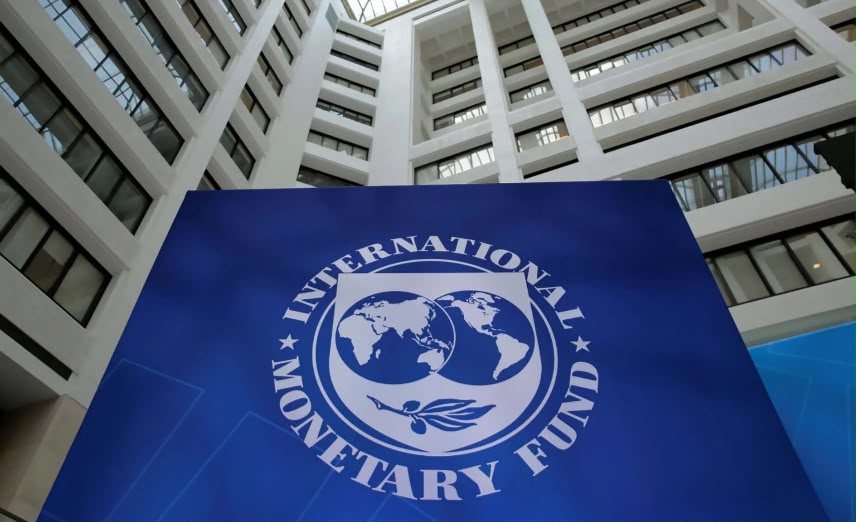
Countries belonging to the International Monetary Fund (IMF) have called for increased financial assistance for nations struggling with short-term funding pressures caused by conflicts and rising energy prices, warning that the global economic outlook remains vulnerable to further shocks.
The appeal was contained in a statement issued on Friday after a meeting of the International Monetary and Financial Committee (IMFC) in Bangkok, Thailand. The committee serves as the main advisory body guiding the IMF’s work.
The statement, delivered by Saudi Finance Minister Mohammed Al-Jadaan, who chairs the committee, warned that escalating conflicts and trade disputes could disrupt major shipping routes, drive up commodity prices and worsen global energy and food security.
“Escalating conflicts and trade tensions could further disrupt critical trade routes, exacerbate commodity price pressures, including in refined energy products, and worsen energy and food security,” the statement said.
Al-Jadaan told Reuters that all members had agreed on the wording of the statement.
The committee also raised concerns about the uncertain economic consequences of advanced intelligence technologies, alongside rising bond yields in major economies that could place additional pressure on heavily indebted countries.
Although these technologies have helped boost investment and trade, the statement warned that their uncertain effects could increase financial and economic vulnerabilities.
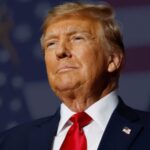
Earlier in the week, the United States had reportedly urged other IMF members to replace the term “artificial intelligence” with “super intelligence” in the statement, reflecting US President Donald Trump’s preferred terminology, according to a senior US Treasury official.
However, the final statement did not explicitly mention artificial intelligence. Instead, it referred to the uncertain impact of “advanced intelligence technologies” as a potential source of economic risk.
The committee further warned that rapid technological changes, demographic shifts, increasingly frequent extreme weather events, natural disasters and growing divisions in the global economy were making economic policy decisions more difficult.
IMF members also agreed to support countries pursuing economic reforms and measures to reduce debt vulnerabilities, particularly low-income nations, vulnerable middle-income economies and countries affected by conflict.
The statement encouraged greater assistance for countries with sustainable debt levels and strong commitments to reforms and economic growth but facing immediate financing difficulties.
It also noted that several member countries had pledged support for the IMF’s Poverty Reduction and Growth Trust, a facility that provides financial assistance to low-income and developing countries.