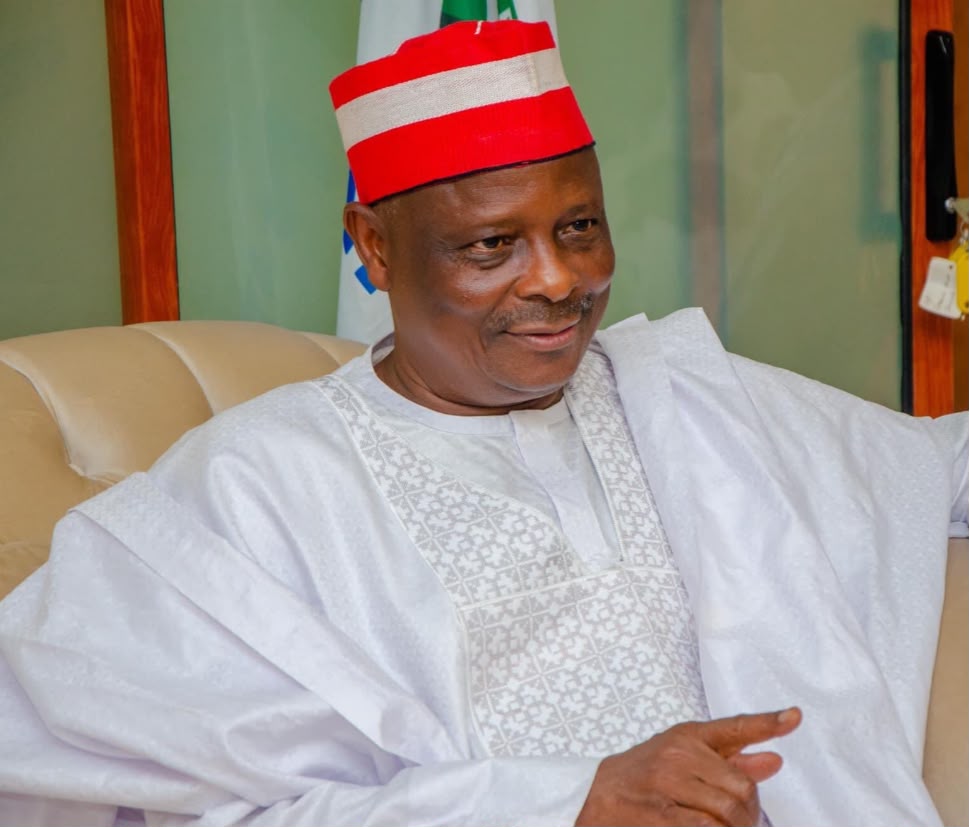
Rabiu Musa Kwankwaso, the vice-presidential candidate of the Nigeria Democratic Congress (NDC), has defended Peter Obi after Vice-President Kashim Shettima criticised the former Anambra State governor over his use of economic statistics and comparisons with other countries.
Shettima had described Obi as “the master of bogus statistics and incoherent economic prescriptions” during the inauguration of the All Progressives Congress Presidential Campaign Council at the Presidential Villa in Abuja on Wednesday.
While referring to Obi as his “very good friend,” the Vice-President questioned his comparisons between Nigeria and other countries, particularly Bangladesh.
“He seems convinced that a size 36 shirt tailored for Bangladesh will somehow fit Nigeria’s size 52 frame,” Shettima said.
However, Kwankwaso disagreed with the criticism during an interview on Channels Television on Thursday, insisting that most of the figures presented by Obi were accurate.
“What else would you expect him to say?” Kwankwaso asked when reacting to Shettima’s remarks.
He explained that he regularly listened to Obi’s speeches and took time to verify the statistics he presented.
“As far as I’m concerned, most of the figures he was reeling out were correct,” Kwankwaso said.
The former Kano State governor acknowledged that mistakes could happen when people speak, including occasional slips of the tongue, but maintained that Shettima’s criticism of Obi was unjustified.
Kwankwaso also praised Obi’s understanding of development statistics, describing his knowledge of economic figures and international comparisons as a positive quality for someone seeking the presidency.
He noted that Obi was familiar with statistics not only about Nigeria but also about countries across Europe, Asia and other parts of the world.
Kwankwaso further explained that his decision to join forces with Obi under the NDC was based on their shared vision for the country.
According to him, their similar ideas about Nigeria’s future made it easier for them to work together despite coming from different parts of the country.
“We realised all our vision for the country was similar and it was easy for us to say, ‘Okay, let’s work together as leaders from the South and the North to ensure the success of the party and, by extension, the country,” he said.
The exchange highlights the growing political disagreements ahead of the 2027 general election, with economic management, development policies and the credibility of political candidates’ claims likely to remain major issues in the campaign.