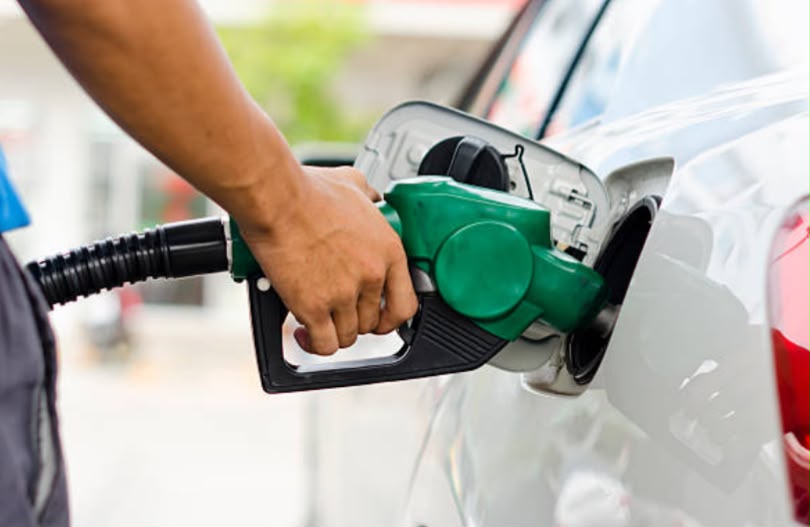
The Federal Government is working on a new plan aimed at preventing sudden increases in petrol prices, with a proposed ceiling of ₦1,350 per litre on the ex-gantry or landing cost of petrol.
The move is part of broader efforts to ease the financial pressure Nigerians are facing as high fuel and transportation costs continue to affect households and businesses.
The Minister of Finance and Coordinating Minister of the Economy, Taiwo Oyedele, announced the proposed measure during a briefing in Abuja on Thursday.
Under the plan, the government is negotiating with refiners and importers to keep the cost of petrol at or below ₦1,350 per litre at the ex-gantry level. The figure would be reviewed every month based on prevailing market conditions.
However, the proposed ₦1,350 ceiling does not mean motorists will buy petrol at ₦1,350 per litre at filling stations.
Instead, the government wants to reduce the impact of sudden changes in international crude oil prices and foreign exchange rates on the price Nigerians pay at the pump.
Oyedele explained that the goal is to make petrol prices more predictable rather than allowing them to rise sharply whenever global market conditions change.
Under the proposed arrangement, if the actual cost of petrol rises above the agreed ceiling, refiners and importers would initially absorb the difference and recover it later when market conditions improve.
The minister stressed that the plan is not a return to the former fuel subsidy system or a direct attempt to control petrol prices.
He described it as a price-modulation arrangement designed to reduce volatility and give consumers and businesses greater stability.
The government is also planning a 30-day temporary margin discount on petrol supplied through the Nigerian National Petroleum Company Limited, with public transport operators expected to receive priority.
According to the government, the arrangement would involve selling the product at cost rather than reinstating a fuel subsidy.
Beyond petrol pricing, the Federal Government is considering several other measures to reduce the cost of transportation and ease pressure on Nigerians.
These include working with state governments to remove illegal levies and road-use charges that increase transport costs, expanding cash transfers to vulnerable Nigerians and providing additional credit support for small businesses.
The government also intends to accelerate the use of compressed natural gas (CNG) among transport operators, with the expectation that lower operating costs will eventually translate into cheaper fares for commuters.
Authorities are also considering sanctions against transport operators who take advantage of consumers, while funds recovered through enforcement could be redirected towards transport support.
Other proposals include an excess profits tax, targeted vouchers for low-income earners and efforts to reduce regulatory expenses and bureaucratic processes that contribute to higher prices.
The government is further looking at establishing a national strategic fuel reserve to strengthen the country’s fuel supply and reduce the risk of shortages, hoarding and other disruptions.
Plans to improve traffic management and logistics are also being considered as part of efforts to reduce fuel consumption and transportation expenses.
Oyedele said the government would also explore the use of NIPOST address codes to help bring down logistics costs.
The proposed petrol ceiling and other measures are expected to be reviewed and expanded in collaboration with state governments, with the Federal Government saying its broader aim is to cushion the impact of rising living costs without creating additional economic pressure.
Source: The Federal Government