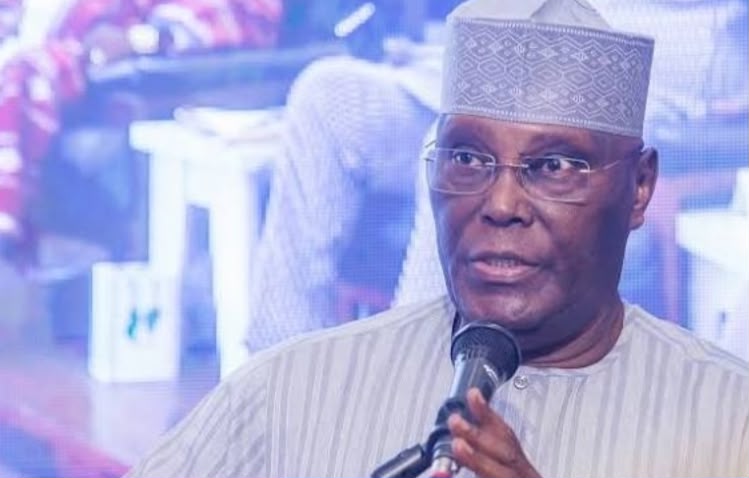
A chieftain of the All Progressives Congress (APC), Alhaji Faizu Alfindiki, has challenged former Vice President Atiku Abubakar to explain how he would finance his promise to restore petrol subsidy if elected president in 2027.
Alfindiki, a former Chairman of Kano Municipal Local Government, made the call in a statement issued in Kano on Friday, saying Nigerians deserve clear answers on how a renewed subsidy regime would be funded without putting additional pressure on government finances.
His comments followed Atiku’s recent promise to restore the subsidy, with the APC chieftain arguing that while Nigerians have legitimate concerns about how savings from subsidy removal are being used, returning to the previous system would not provide a sustainable solution.
“Nigerians deserve solutions that are sustainable, not policies designed primarily to win political arguments.”
Alfindiki Questions Atiku’s Position
Alfindiki said the previous subsidy system placed a heavy burden on public finances and distorted Nigeria’s petroleum market.
He also questioned Atiku’s change in position, recalling that during the 2023 presidential campaign, the former vice president had promised to remove petrol subsidy within his first 100 days if elected.
“Today, Atiku is presenting subsidy restoration as a solution, whereas his position before the 2023 election was that subsidy should be removed.”
He said Nigerians were entitled to know what had changed and why Atiku now considers subsidy restoration the solution.
Alfindiki acknowledged that subsidy removal had brought short-term hardship but argued that the policy should be accompanied by measures to protect vulnerable Nigerians and increase domestic production.
Calls for Domestic Production
The APC chieftain urged political leaders to move beyond arguments over whether subsidy should exist and instead focus on making fuel more affordable through domestic refining, improved infrastructure and stronger investment.
He said President Bola Tinubu should also be held accountable for how savings and additional revenues generated from the reforms are being used.
However, he maintained that accountability should not mean returning to what he described as an economically unsustainable system.
“Accountability should not be confused with returning Nigeria to a system that was financially unsustainable.”