The United Arab Emirates has announced the suspension of all trade, commercial exchanges and financial transactions with Iran following a reported Iranian missile attack targeting maritime navigation near the UAE.
The UAE Foreign Ministry communications director, Afra Al Hameli, said the measures were being introduced in response to the latest regional escalation and would remain in place until further notice.
“All trade, commercial exchanges, and financial transactions with Iran have been halted until further notice,” Al Hameli said.
The announcement comes after a period of relative calm for the UAE. The country had not reported Iranian missiles targeting its territory since May, despite being one of the hardest-hit countries during the early stages of the Middle East war.
Abu Dhabi has, however, accused Iran of repeatedly targeting UAE-linked tankers at sea in recent weeks.
The UAE and Iran have historically maintained strong economic and cultural ties. The UAE is home to a sizeable Iranian community and had been an important trading partner for Iran despite US sanctions before the outbreak of the war.
The two neighbouring countries also share centuries-old cultural and historical links, including connections between coastal communities, trade routes and families across the Gulf.
Tuesday’s decision is the latest measure taken by the UAE against Iran since the conflict began. Abu Dhabi previously recalled its ambassador and closed Iran-linked schools and a hospital.
At the height of the conflict in March, UAE authorities ordered the closure of an Iranian state-linked hospital in Dubai. Schools and a community centre were also reportedly shut down.
A UAE official told AFP at the time that institutions directly linked to the Iranian regime and the Islamic Revolutionary Guard Corps (IRGC) would be closed under targeted measures after allegedly violating UAE laws.
Missile Attack Raises Maritime Concerns
The latest escalation followed the UAE’s announcement that two ballistic missiles had been detected travelling from Iran towards the country.
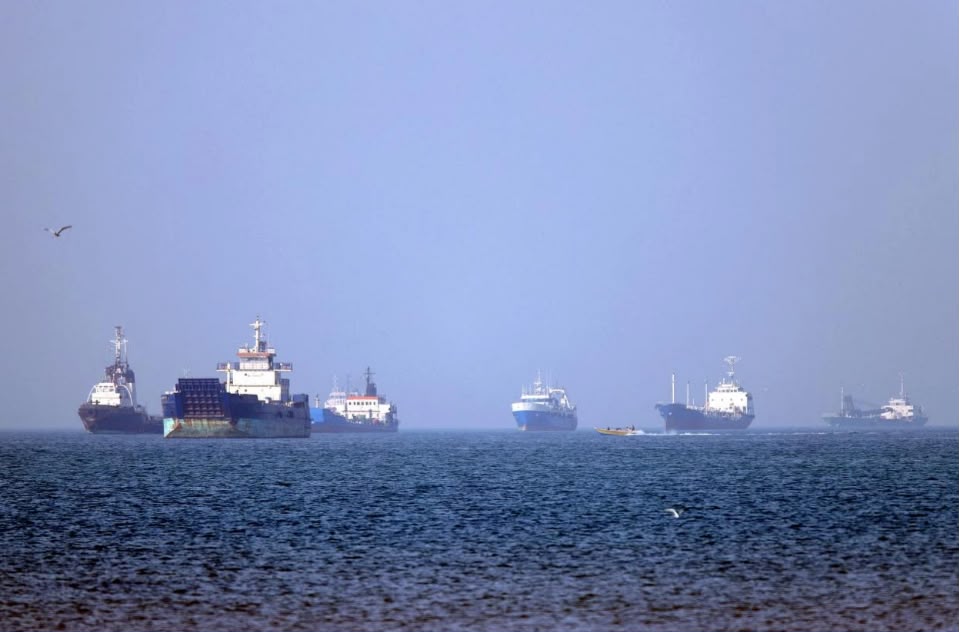
According to the UAE, the first missile fell outside its territorial waters, while the second landed inside its territorial waters. Abu Dhabi later said the missiles were targeting maritime navigation and fell into the sea.
“The missiles were targeting maritime navigation and fell into the sea,” the UAE said.
Iran denied launching the missiles towards the UAE. Iranian Foreign Ministry spokesman Esmaeil Baqaei “categorically rejected” Abu Dhabi’s claim, describing it as harmful to regional trust and security efforts.
The initial UAE warning came nearly two hours after residents received a phone alert about a potential missile threat. It was the first such alert since a false alarm in June and another warning in July concerning an attack that ultimately did not enter UAE territory.
Before those incidents, the last missile warning in the UAE had been issued in early May.
The UAE also said tankers belonging to its state-owned oil company, ADNOC, had been repeatedly targeted in recent weeks.
When the Middle East war began on February 28, the UAE bore the brunt of Iran’s attacks, with nearly 3,000 missiles and drones directed at the country, more than against any other country in the region.
Following a memorandum of understanding between Iran and the United States that came into effect in June but later collapsed, the UAE reported no attacks for a period, unlike some other Gulf states.
Source: AFP