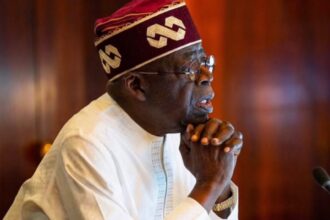
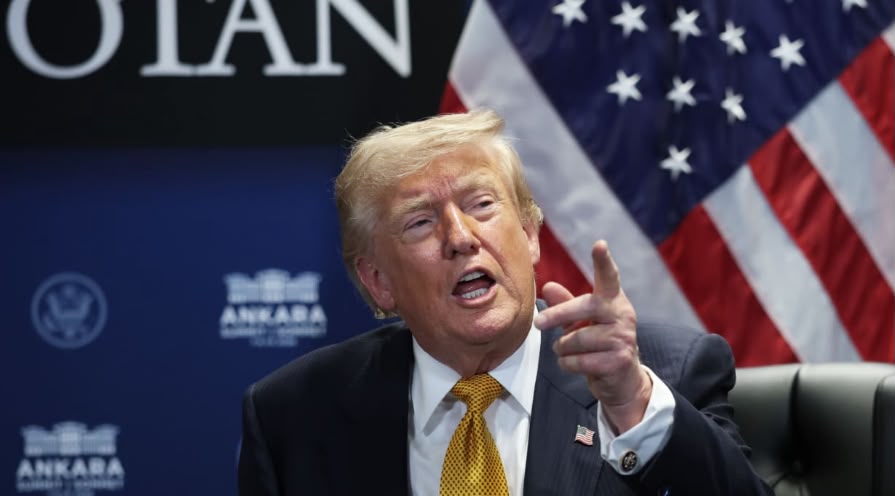
US President Donald Trump has declared that the United States will be compensated for protecting the Strait of Hormuz, insisting that America will no longer bear the cost of safeguarding one of the world’s most important oil shipping routes without payment.
Speaking during an interview on Fox and Friends on Monday, Trump said the US would effectively become the “guardian” of the strategic waterway and that wealthy nations benefiting from its security should reimburse America for the risks involved.
“We’re going to get paid for guarding it. A lot of money, but we just want to be reimbursed for doing all of this, for putting our people in danger,” Trump said.
His comments came amid renewed military clashes between the United States and Iran, raising fresh concerns over the security of the Strait of Hormuz, a key route through which a significant portion of the world’s oil supply passes.
The latest escalation has cast doubt on diplomatic efforts to secure a lasting peace after a ceasefire reached earlier this year.
Trump also accused Iranian negotiators of attempting to alter the terms of an agreement reached during marathon talks held over the weekend.
According to him, both sides had reached an understanding after several hours of negotiations before Iran allegedly requested changes shortly after the meeting ended.
“Everything was agreed to yesterday. They leave the room, then they call back and say they had to make a couple of changes,” Trump said, without providing further details.
Meanwhile, Iran’s Foreign Ministry said it is continuing diplomatic engagements with mediators from Qatar, Pakistan and Oman in an effort to prevent the conflict from escalating further.
Although Iran’s Islamic Revolutionary Guard Corps (IRGC) has declared the Strait of Hormuz closed, the United States insists the waterway remains open to international shipping and rejects Iran’s claim of control over the route.
The renewed tensions have continued to fuel uncertainty in global energy markets, with investors closely monitoring developments that could affect international oil supplies.
Source: AFP.