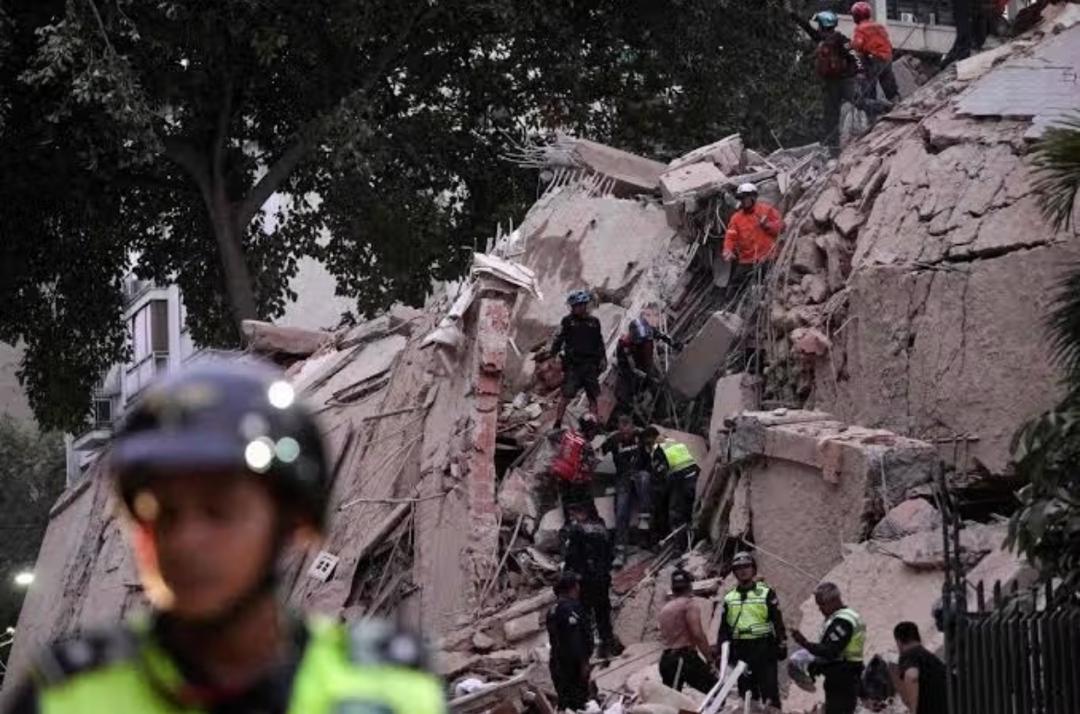
A humanitarian disaster is unfolding in Venezuela after two powerful earthquakes struck within a minute of each other, leaving nearly 1,000 people dead and more than 50,000 others still missing as rescue teams race against time to find survivors.
The devastating 7.2 and 7.5 magnitude earthquakes, which hit on Wednesday evening, flattened homes, apartment buildings and critical infrastructure, with the coastal state of La Guaira, near the capital Caracas, suffering the worst destruction.
According to the United Nations, the official death toll has risen to 920, but authorities fear the number could climb significantly as emergency workers continue searching through the rubble.
The search has been slow and difficult due to widespread destruction, damaged roads and a shortage of heavy rescue equipment. While international rescue teams have arrived to assist, many families have been forced to dig through collapsed buildings with their bare hands in desperate attempts to find loved ones.
One grieving resident, Marjosly Salazar, said she lost her 16-year-old daughter in the disaster and is still searching for her five-month-old grandson, who remains missing beneath the rubble.
“Please, we need support here. We need machinery to start lifting the columns,” she pleaded.
Frustration has also been growing among residents, with some accusing authorities of responding too slowly to the disaster. During a visit to one of the affected communities, interim leader Delcy Rodríguez was met with angry protests from residents demanding faster rescue efforts.
The United Nations Office for the Coordination of Humanitarian Affairs (OCHA) said search-and-rescue teams from at least 17 countries have joined the emergency response. Rescue personnel from Spain, Switzerland, Colombia, Mexico, El Salvador and Chile are already working alongside Venezuelan authorities to search for survivors.
The United States has also deployed more than 250 disaster response personnel, including specialised search-and-rescue teams with trained rescue dogs and humanitarian support equipment.
UN humanitarian chief Tom Fletcher described the operation as extremely challenging, warning that aftershocks and unstable buildings continue to endanger rescue workers.
The disaster has further worsened conditions in a country already battling years of economic hardship, weakened healthcare services and widespread poverty.
Authorities also confirmed that several foreign nationals were among those killed, while many others remain unaccounted for.
As rescue efforts continue, world leaders and humanitarian organisations have called for increased international support to prevent the tragedy from becoming an even greater humanitarian crisis.
In a show of global solidarity, World Cup 2026 matches observed moments of silence on Friday to honour those who lost their lives in the devastating earthquakes.
Source: AFP