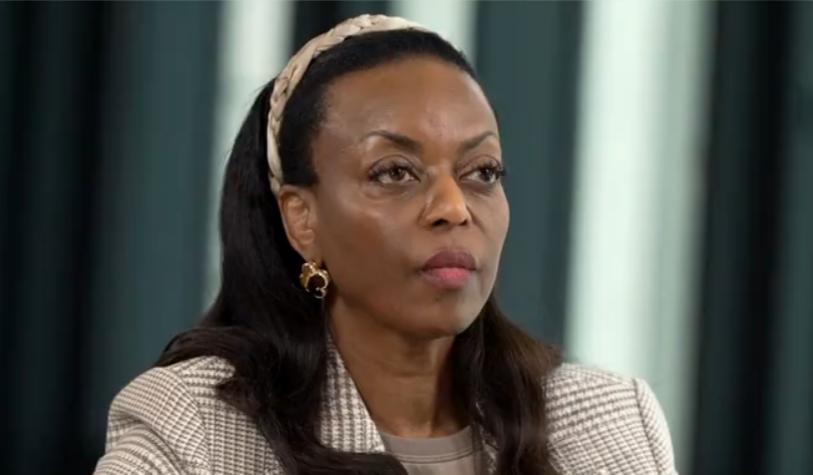
Former Minister of Petroleum Resources, Diezani Alison-Madueke, has broken her silence after being cleared of corruption charges in the United Kingdom, saying the lengthy legal battle damaged her reputation and personal life.
Speaking in an interview with the BBC following her acquittal by a London court, Alison-Madueke described the 13-year investigation and prosecution as a painful experience that left lasting emotional and psychological effects.
The former OPEC president said she spent years unable to travel freely or work, insisting that she was wrongly accused of crimes she never committed.
“They destroyed my reputation and my integrity,” she said.
Alison-Madueke, who served as Nigeria’s petroleum minister between 2010 and 2015, faced allegations of accepting bribes and involvement in corruption-related offences.
However, a jury at Southwark Crown Court found her not guilty after hearing the case.
Reflecting on the ordeal, she maintained that she had always believed she would eventually be vindicated, insisting she was innocent of the allegations brought against her.
She also criticised the handling of the case by both British and Nigerian authorities, calling for greater caution when dealing with politically sensitive investigations.
According to her, some documents she believes could have supported her defence allegedly disappeared after security operatives searched her residence in Nigeria years ago.
The former minister further suggested that her position as one of the most influential women in Nigeria’s oil sector may have contributed to the scrutiny she faced.
Meanwhile, the UK’s National Crime Agency defended its actions, stating that the investigation was conducted professionally and in collaboration with international partners.
The agency said it respected the verdict delivered by the court.
Alison-Madueke also questioned previous reports regarding assets allegedly linked to her, saying she now hopes to examine what transpired during the years she spent battling legal challenges.
Her acquittal has sparked fresh debate over one of the most high-profile corruption cases involving a former Nigerian government official.
Source: BBC Interview / Southwark Crown Court, London.