
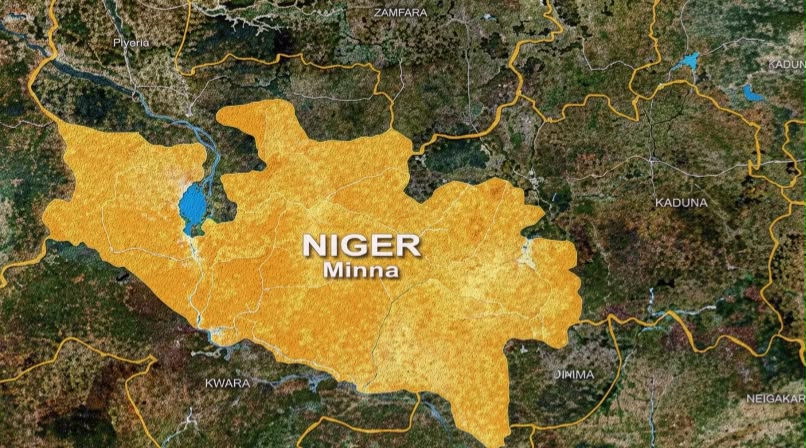
Niger State has secured a United States-backed grant aimed at tackling malnutrition among more than 36,000 women and children, marking a major boost in efforts to improve maternal and child health across the state.
The intervention, known as the Preventing Malnutrition in the First 1,000 Days of Life Programme, is being implemented with support from UNICEF and will initially cover 13 local government areas, with plans to expand to all 25 LGAs.
Speaking after a planning meeting with development partners, the Permanent Secretary of the Niger State Planning Commission, Hajia Aisha Usman, described the programme as a critical opportunity to address one of the state’s biggest public health challenges.
“UNICEF is coming with a grant from the United States of America to support the high burden of malnutrition in 13 local governments in the state,” she said.
Usman revealed that discussions are ongoing to extend the intervention beyond the initial communities so that more families can benefit from the programme.
“We are hoping that the state will act because there is a possibility of taking the programme to all 25 local governments so that every community can benefit,” she added.
According to her, the programme will run between June 2026 and February 2027, making rapid implementation crucial to achieving its objectives.
“We are going to work fast to ensure the programme succeeds before it ends in February 2027,” she said.
UNICEF also confirmed that the grant forms part of a broader nutrition intervention across Nigeria.
Speaking through UNICEF Nutrition Specialist Chinwe Ezeife, the Chief of UNICEF Kaduna Field Office, Dr. Gerida Birukila, disclosed that the overall funding package for Nigeria exceeds $3 million and will be implemented in seven states, including Niger.
“UNICEF will provide technical support to the Niger State Government in implementing strategies aimed at preventing malnutrition during the first 1,000 days of life,” Ezeife said.
She explained that the programme will focus on increasing access to nutrition services, improving feeding practices and strengthening interventions that can enhance the health and nutritional status of women and children.
Health experts have repeatedly described the first 1,000 days of life — from conception until a child’s second birthday — as one of the most important stages for growth and development.
Poor nutrition during this period can lead to stunted growth, weakened immunity and long-term health complications.
The latest intervention is expected to strengthen ongoing efforts in Niger State by improving nutrition awareness, expanding healthcare support and reducing preventable child deaths linked to malnutrition.
Source: Arewa PUNCH