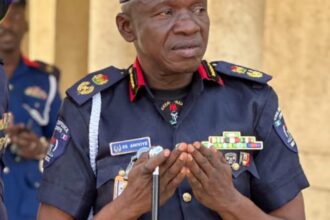
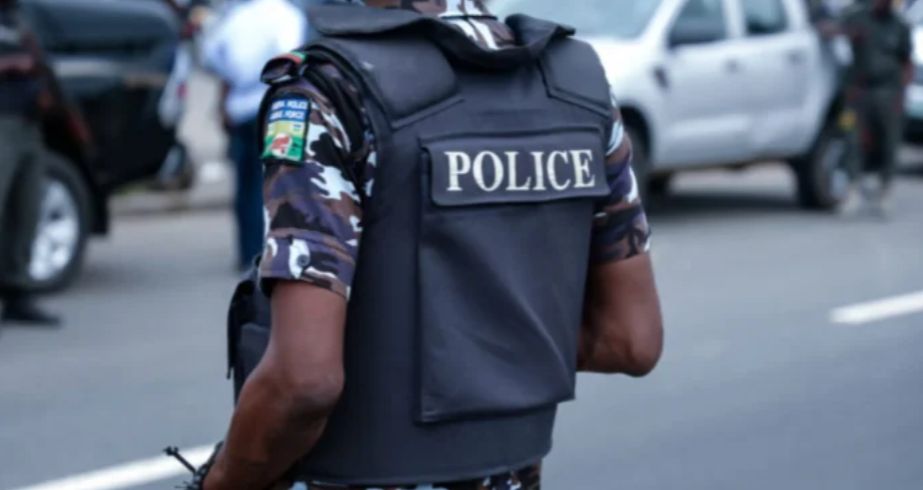
The Presidency, leadership of the National Assembly, and the Inspector-General of Police, Tunji Disu, have intensified efforts towards the establishment of state police, as concerns over insecurity continue to grow across the country.
A high-level meeting held at the State House, Abuja, focused on finalising the framework for the proposed policing system, with officials revealing that significant progress has already been made.
Speaking after the meeting, Chief of Staff to the President, Femi Gbajabiamila, disclosed that consultations on state police began several months ago following a directive from President Bola Tinubu and have now reached an advanced stage.
According to him, discussions are currently centred on the constitutional amendments required to create state police, with enabling legislation expected to follow once the amendment process is completed.
“Establishing state police is not something that you do with the snap of a finger. There is a lot involved in terms of constitution and legalities, but we have gained a lot of traction,” Gbajabiamila said.
He noted that the conversation has moved beyond whether Nigeria should have state police and is now focused on designing the right legal and operational framework to make it effective.
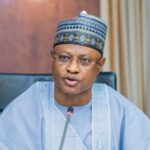
The meeting brought together key stakeholders, including the Deputy President of the Senate, Jibrin Barau, Deputy Speaker of the House of Representatives, Benjamin Kalu, senior government officials and security authorities.
Gbajabiamila added that President Tinubu would be fully briefed on the outcome of the discussions as the Federal Government continues consultations aimed at strengthening Nigeria’s security architecture.
The push for state police comes amid increasing calls from governors, lawmakers, traditional rulers and security experts who believe a decentralised policing structure would improve intelligence gathering, enhance community security and provide faster responses to emerging threats.
If approved, the move would mark one of the most significant security reforms in Nigeria’s history.