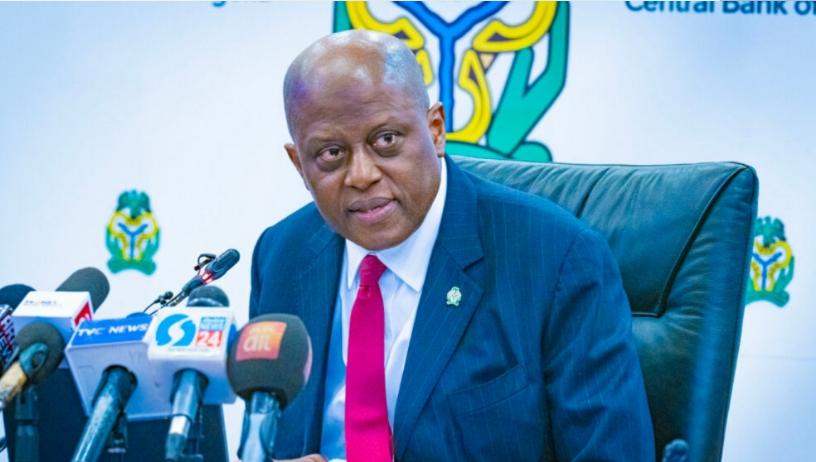
Governor of the Central Bank of Nigeria (CBN), Olayemi Cardoso, has unveiled an ambitious plan to deepen financial inclusion across the country, with a target of ensuring that 95 percent of Nigerians have access to financial services by 2028.
Speaking at the launch of the Payments System Vision (PSV) 2028 in Abuja, Cardoso said the initiative is designed to expand access to banking services, promote digital payments, strengthen security, and improve trust in Nigeria’s financial system.
According to him, the ultimate goal goes beyond banking, as the strategy is aimed at improving lives, reducing poverty, and boosting economic growth by bringing millions of Nigerians into the formal financial system.
The CBN governor revealed that the apex bank wants to see at least 50 million additional Nigerians, including market women, farmers, small business owners, and young people, gain access to bank accounts or digital wallets protected by their Bank Verification Number (BVN).
Cardoso noted that Nigeria’s payment infrastructure has already recorded significant progress, with millions of instant transactions processed daily through the Nigeria Inter-Bank Settlement System (NIBSS), most of which are completed within seconds.
He said the vision is to create a payment system where Nigerians, regardless of location, can send and receive money quickly, safely, and conveniently without depending heavily on cash transactions.
The CBN boss also stressed the need to reduce fraud in the digital payment space, disclosing that the bank aims to cut fraud-related losses to less than 0.001 percent of total digital transactions by 2028.
To achieve this, he said the apex bank will strengthen identity verification processes, improve BVN integration, and deploy advanced technologies such as artificial intelligence to detect and prevent fraudulent activities.
Cardoso described the initiative as a national project that requires collaboration among financial institutions, fintech companies, regulators, and other stakeholders to build a payment system that is faster, safer, more inclusive, and capable of supporting Nigeria’s economic ambitions.