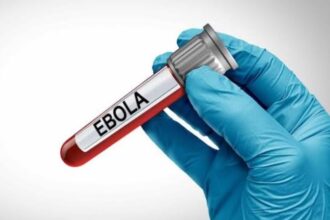
The World Health Organisation (WHO) has issued an urgent warning to countries neighbouring the Democratic Republic of Congo (DRC), saying they are at high risk of an Ebola outbreak and must act immediately to prevent the deadly virus from spreading further across Africa.
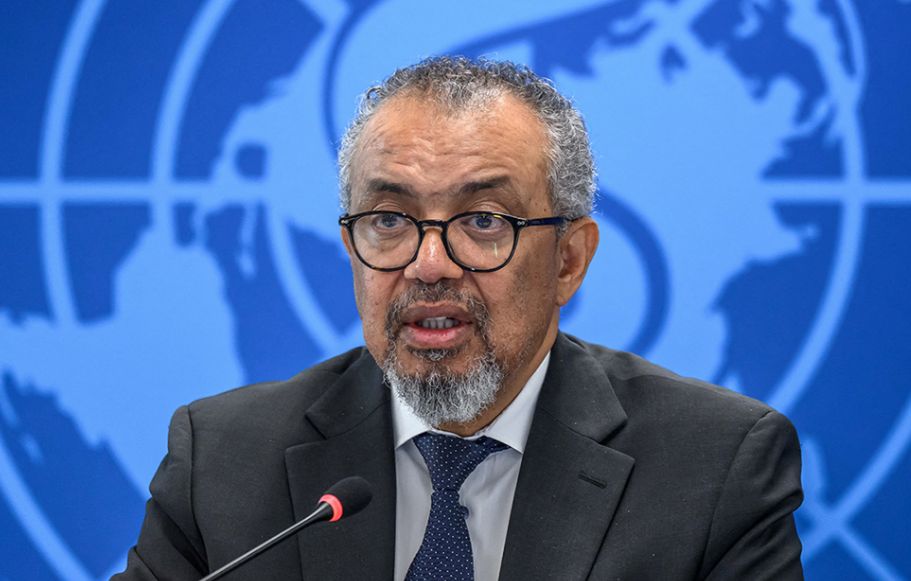
WHO Director-General, Dr. Tedros Adhanom Ghebreyesus, made the warning on Monday during a virtual ministerial meeting on the worsening Ebola situation in Central Africa.
According to him, the current outbreak is spreading rapidly and health authorities are struggling to contain the virus fast enough.
“Countries bordering DRC are at especially high risk and should take immediate action,” Tedros warned.
The WHO chief also announced plans to travel to the DRC on Tuesday as efforts intensify to respond to the growing health emergency.
The latest Ebola outbreak, first detected on May 15 in eastern Congo, has already caused serious concern across the continent due to the speed of transmission and the difficult conditions surrounding the response.
Tedros revealed that the WHO has so far recorded 10 confirmed Ebola deaths and about 220 suspected deaths linked to the outbreak in the DRC, while neighbouring Uganda has also confirmed one death connected to the virus.
“The outbreak is spreading rapidly,” he said.
The WHO boss explained that one of the biggest challenges is that health officials discovered the outbreak late, forcing authorities to “play catch-up” with what he described as a fast-moving epidemic.
“We are urgently scaling up operations but at the moment, the epidemic is outpacing us,” Tedros admitted.
Another major challenge, according to WHO, is the worsening insecurity in eastern Congo, where armed conflicts and violence have made it difficult for health workers to reach affected communities.
Tedros also noted that distrust of government authorities and outside organisations among local residents is complicating containment efforts.
Adding to the fears, the current outbreak involves the Bundibugyo strain of Ebola, a rare variant for which there are currently no approved vaccines or specific treatments.
Health experts say Ebola spreads through direct contact with infected bodily fluids and can lead to severe bleeding, organ failure and death if not treated quickly.
Meanwhile, the Africa Centres for Disease Control and Prevention (Africa CDC) warned over the weekend that at least 10 African countries are currently at risk of being affected by the outbreak due to cross-border movement and regional travel.
The warning has already triggered heightened surveillance and emergency preparedness measures in several African countries, including Nigeria, Uganda and Kenya.
Nigeria’s Centre for Disease Control and Prevention (NCDC) recently placed the country on high Ebola alert, activated emergency response systems and intensified monitoring at airports, borders and health facilities nationwide.
Public health experts are urging Africans to remain calm but vigilant by maintaining proper hygiene, avoiding contact with sick individuals and reporting any suspected symptoms early.
Source: AFP / World Health Organisation (WHO)