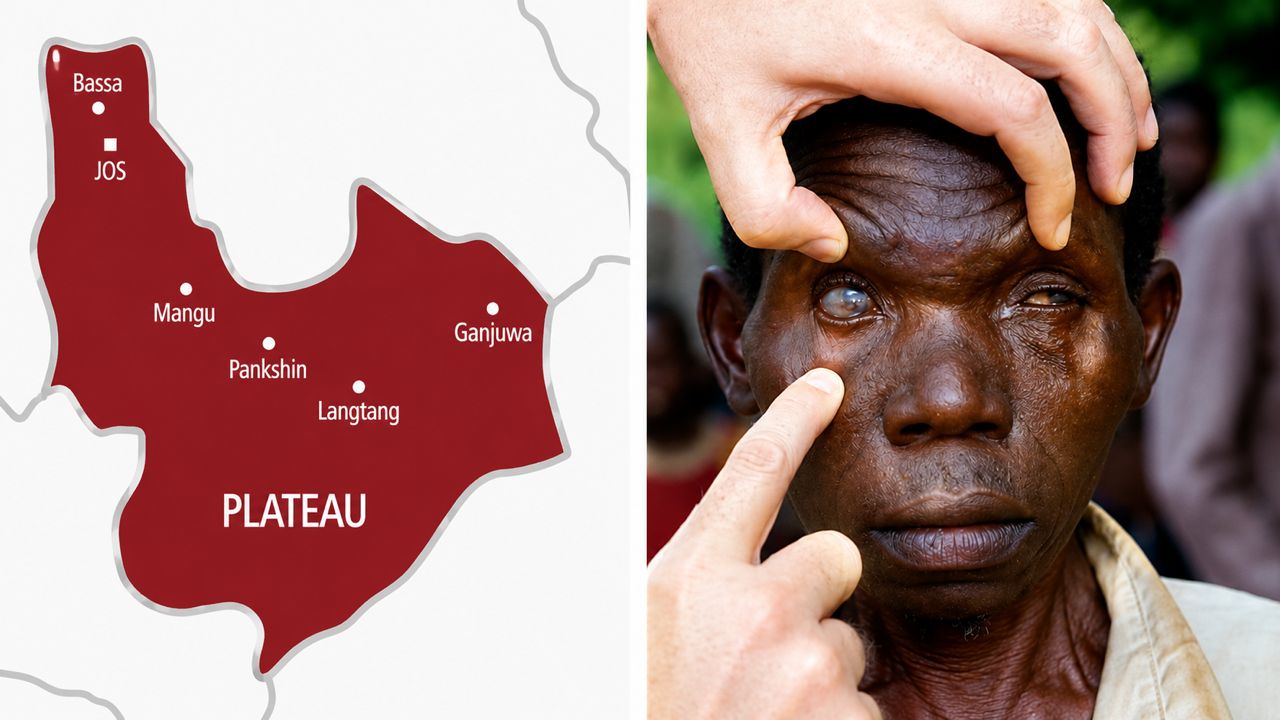
A health-focused non-governmental organisation, Sightsavers, has warned that thousands of Nigerians living with diabetes may be at risk of going blind due to a dangerous eye condition known as diabetic retinopathy.
The organisation revealed that nearly 30 per cent of Nigerians with diabetes are already affected by the condition, which can lead to permanent blindness if not detected early.
The warning came during a specialised training programme for nurses and healthcare workers held in Jos, Plateau State.
The training focused on teaching health professionals how to use modern equipment to detect diabetic retinopathy early, especially in rural communities where access to eye care remains limited.
Speaking at the event, the Programme Lead for Sightsavers’ Plateau Eye Health Programme, Dr Joshua Ibenu, explained that many advanced eye treatments are mostly available only in major hospitals, making it difficult for rural patients to access care.
He said the organisation is now working to expand eye screening and treatment services to secondary healthcare centres and underserved communities.
According to Ibenu, the partnership between Sightsavers and the Plateau State Government has recorded strong progress, leading to the extension of the programme from two years to four years.
Another eye health expert, Dr Nazaradeen Ibrahim, expressed concern that many Nigerians are unaware they have diabetic retinopathy until serious damage has already occurred.
He noted that poor awareness and limited access to screening in rural areas are making the situation worse.
Ibrahim stressed that early screening remains the best way to prevent avoidable blindness caused by diabetes-related complications.
An ophthalmologist at Jos University Teaching Hospital, Dr Naomi Sale, also warned that people who have lived with diabetes for more than five years face a higher risk of developing the condition.
She added that more young Nigerians are now being affected by diabetes and related eye problems, blaming unhealthy lifestyles and poor dietary habits for the growing trend.
One of the nurses who participated in the training, Nandak Gideon, described the programme as highly important, saying it equipped health workers with practical skills to detect cases early and help save patients’ eyesight.
Organisers said the training is expected to improve eye care services across Plateau State and reduce the number of Nigerians losing their sight from preventable causes.