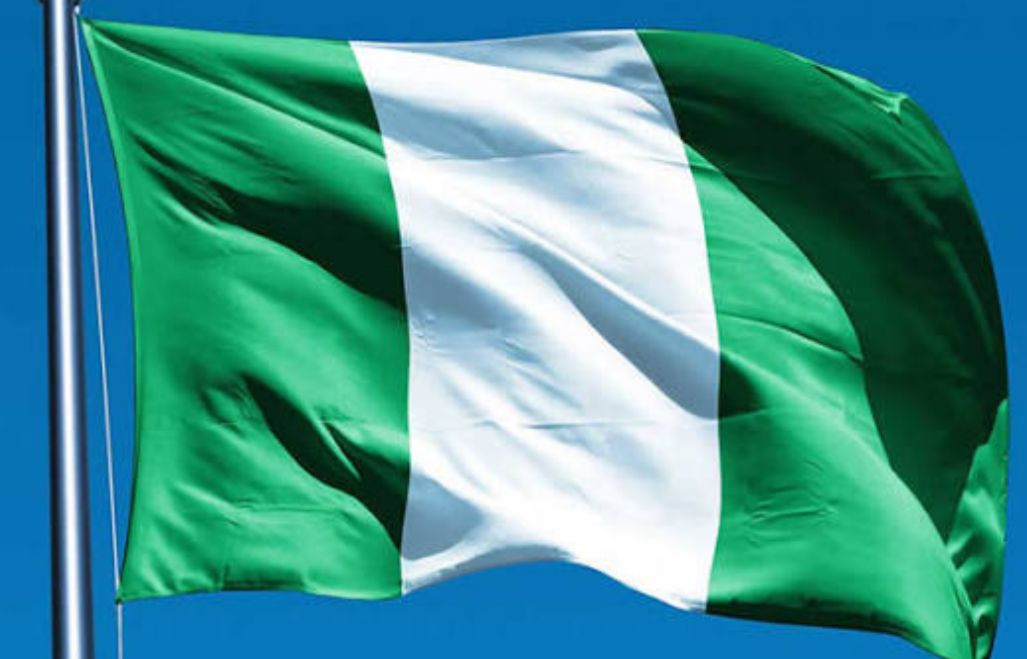
As Nigeria gradually approaches the 2027 general elections, religion is once again taking centre stage in the country’s political calculations, with sermons, prophecies and spiritual declarations increasingly influencing public opinion and voter behaviour.
Beyond campaign rallies and political speeches, the battle for power is now extending into churches and religious gatherings where influential clerics shape emotions, perceptions and political loyalties among millions of followers.
The growing intersection between politics and religion has reignited concerns over the role of spiritual leaders in Nigeria’s democracy and whether some clerics are gradually turning the pulpit into a political platform.
Recent controversies have further highlighted this trend.
In late 2025, Primate Elijah Ayodele of INRI Evangelical Spiritual Church became embroiled in a major controversy involving former Minister of Power, Bayo Adelabu.
Adelabu reportedly accused the cleric of demanding N150m, 24 APC flags and 1,000 trumpets in exchange for spiritual support ahead of the 2027 Oyo governorship election.
The development sparked fresh debates over the growing commercialisation and politicisation of prophecies during election periods.
In Nigeria, religion remains one of the most powerful forces shaping public behaviour, largely because many citizens place greater trust in clerics than politicians.
While politicians campaign for credibility, many pastors, prophets and imams already command deep emotional loyalty among followers struggling with poverty, insecurity and economic hardship.
The article argues that both Christianity and Islam acknowledge the moral duty of spiritual leaders to speak against injustice and bad governance.
Biblical figures such as Moses, Elijah, Nathan and John the Baptist openly confronted oppressive rulers, while Islamic teachings equally emphasise justice and accountability in leadership.
However, concerns continue to grow over the difference between moral guidance and direct political manipulation.
One of the most notable examples cited is controversial Catholic priest, Father Ejike Mbaka, whose prophecies have repeatedly influenced political conversations in Nigeria.
In 2015, Mbaka openly criticised former President Goodluck Jonathan and backed Muhammadu Buhari, a move many believed swayed Christian voters at the time.
Years later, Mbaka also became one of Buhari’s strongest critics following worsening economic hardship and insecurity.
The cleric again made headlines during the 2020 Imo governorship crisis after predicting that Hope Uzodinma would emerge governor, a prophecy that later coincided with a Supreme Court judgment.
In 2023, allegations also surfaced that Mbaka predicted Peter Obi’s defeat after the former Anambra governor allegedly failed to support his ministry financially.
Although Mbaka denied political motives behind his prophecies, critics argued that such interventions blur the line between faith and political influence.
Pastor Tunde Bakare was also identified as one of Nigeria’s most openly political clerics.
Unlike others who operate through prophecies, Bakare directly entered partisan politics as Muhammadu Buhari’s running mate in 2011 and has consistently used sermons to comment on governance and national affairs.
The article further recalled the controversy surrounding the Muslim-Muslim ticket during the 2023 elections and the widely criticised “arranged bishops” episode during Kashim Shettima’s unveiling as APC vice-presidential candidate.
Religious identity became one of the most emotionally charged issues during the election season, exposing how deeply faith influences Nigeria’s political environment.
The General Overseer of the Redeemed Christian Church of God, Pastor Enoch Adeboye, was also mentioned as a cleric whose words carry enormous political weight even without direct endorsements.
According to the article, statements about “God’s chosen leader” can subtly shape voter psychology and create the impression that electoral outcomes are spiritually predetermined rather than democratically earned.
Similarly, Pastor Matthew Ashimolowo’s comments acknowledging Peter Obi’s competence while suggesting he might still lose the election were described as examples of how religious rhetoric can psychologically influence voter morale.
Despite the criticism, the article acknowledged that not every cleric speaking on politics is compromised.
It highlighted Bishop Matthew Hassan Kukah as one of the few religious leaders consistently recognised for speaking against corruption, injustice and poor governance without partisan manipulation.
As Nigeria moves closer to 2027, the article urged citizens to separate genuine spiritual guidance from politically motivated religious messaging.
It warned that democracy cannot be surrendered entirely to prophecies and emotional manipulation, stressing that Nigerians must make informed political choices themselves.
“God will not descend from heaven to cast ballots; Nigerians will,” the article stated.
It concluded that while faith should inspire wisdom, justice and conscience, the future of the country ultimately depends on informed democratic participation and responsible individual decisions.