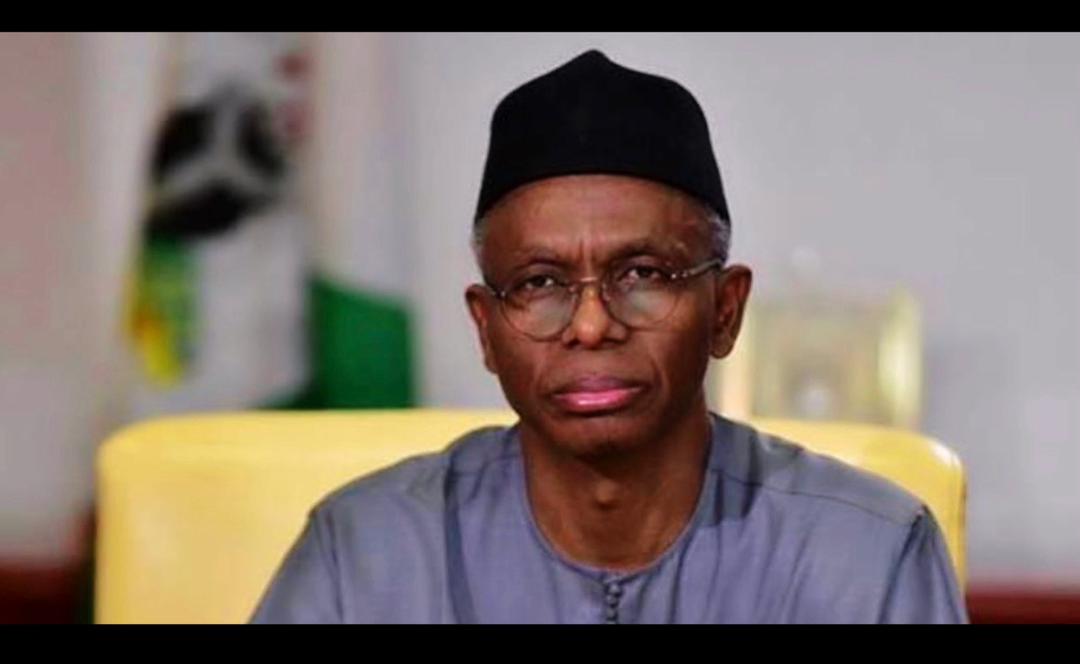
The Independent Corrupt Practices and Other Related Offences Commission (ICPC) has defended its decision to stop leaders of the African Democratic Congress (ADC) from visiting former Kaduna State governor, Nasir El-Rufai.
According to the anti-corruption agency, the action was based strictly on a court order currently restricting access to the detained former governor.
Speaking on Saturday, ICPC spokesperson John Odey said the Commission received an official request from ADC leaders seeking permission to visit El-Rufai at the agency’s headquarters in Abuja.
He explained that the court order only allows El-Rufai’s immediate family members, lawyers and medical doctors to see him while his case continues.
Odey stated that because ADC is a political organisation and its leaders do not fall under the approved categories, the Commission could not legally grant them access.
According to him, the ICPC formally replied to the ADC before the planned visit and informed the party that the request could not be approved.
The spokesperson also dismissed claims that opposition leaders were harassed or intimidated during the visit.
Earlier, the ADC had accused the ICPC of deploying heavily armed security personnel to block and intimidate party officials who attempted to see El-Rufai.
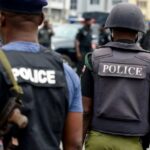
But Odey insisted that the presence of mobile police officers at the ICPC headquarters is normal security procedure and not connected to the ADC delegation.
He stressed that the Commission remains neutral and is only carrying out the directives of the court.
“We are apolitical,” Odey said while denying allegations of intimidation.
The ICPC further maintained that it would continue enforcing the court order until otherwise directed by the judiciary.
Nasir El-Rufai is currently facing trial over multiple corruption-related charges involving alleged violations of procurement laws, fraud-related offences and abuse of public office.
The former Kaduna governor has pleaded not guilty to all charges filed against him.
The situation has continued to generate political reactions, especially among opposition parties and supporters closely monitoring the high-profile case.