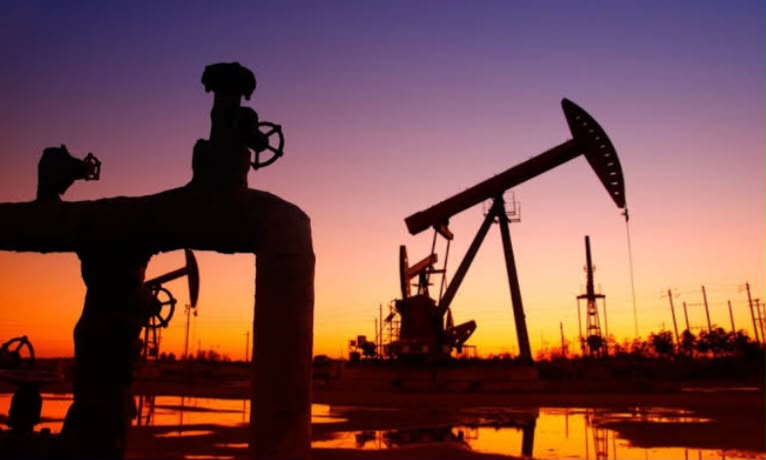
Global oil prices declined on Friday, October 16, but remained on course to record weekly gains as investors weighed growing supply risks in the Middle East against efforts to release additional oil and diesel reserves into the market.
Brent crude futures fell by 78 cents, or 0.74 per cent, to $105.14 per barrel, while US West Texas Intermediate (WTI) crude dropped by 99 cents, or one per cent, to $96.98 per barrel as of 9:27 a.m. GMT.
Despite the decline, Brent crude had gained 0.4 per cent for the week, while WTI had climbed 5.6 per cent, supported by concerns over potential supply disruptions and a larger-than-expected reduction in US crude inventories.
Oil prices received additional support on Thursday after US crude stocks recorded a significant drawdown, partly linked to production disruptions caused by hurricane-related shutdowns.
However, market sentiment weakened slightly after the International Energy Agency (IEA) pledged to release the remaining 100 million barrels covered by its March agreement. Reports that the United States was also considering easing sanctions on certain oil tankers added to the pressure on prices.
Saxo Bank analyst Ole Hansen said the additional supply measures could weigh on market sentiment, although the release was unlikely to resolve the tightness affecting diesel supplies.
Middle East Tensions Keep Supply Concerns Alive
Uncertainty surrounding oil shipments through the Strait of Hormuz has continued to support prices, with attacks on vessels in and around the strategic waterway raising concerns about global energy supplies.
Iran has reportedly intensified strikes in response to the US blockade of its ports and tougher sanctions introduced last month.
Analysts at Kpler said intensified Iranian attacks had significantly reduced crude oil flows from the Gulf, warning that a recovery in shipments through the Strait of Hormuz could be slow and uneven without a comprehensive political agreement.
Meanwhile, European diesel refining margins fell by nearly two per cent on Friday to $78.67 per barrel after the IEA agreed to release more than 20 million barrels of diesel into the market.
Diesel margins had climbed as high as $95 per barrel in September amid tightening supplies linked to the conflicts in Ukraine and Iran.
The wider regional conflict has also raised concerns following reports that Yemen’s Houthi movement fired missiles at the presidential palace complex in Aden on Thursday, killing two guards. The Saudi-led coalition in Yemen also reported dozens of attacks on Saudi infrastructure.
US Considers Further Sanctions Relief
In another development, the Trump administration is considering lifting sanctions on certain vessels known as shadow fleet tankers, which have transported oil and petroleum products from countries including Russia, Iran and Venezuela.
A US official said the discussions were aimed at reducing exceptionally high global shipping costs.
The consideration comes days after President Donald Trump temporarily eased sanctions on Russian diesel fuel, a move that drew criticism from Ukrainian President Volodymyr Zelenskyy, several European countries and some Republican lawmakers.
With geopolitical tensions continuing to threaten supply routes, investors are closely watching developments in the Middle East and decisions by major economies that could influence global oil availability.
Although prices fell on Friday, the prospect of further disruptions around the Strait of Hormuz continues to support the market, keeping oil on track for weekly gains.