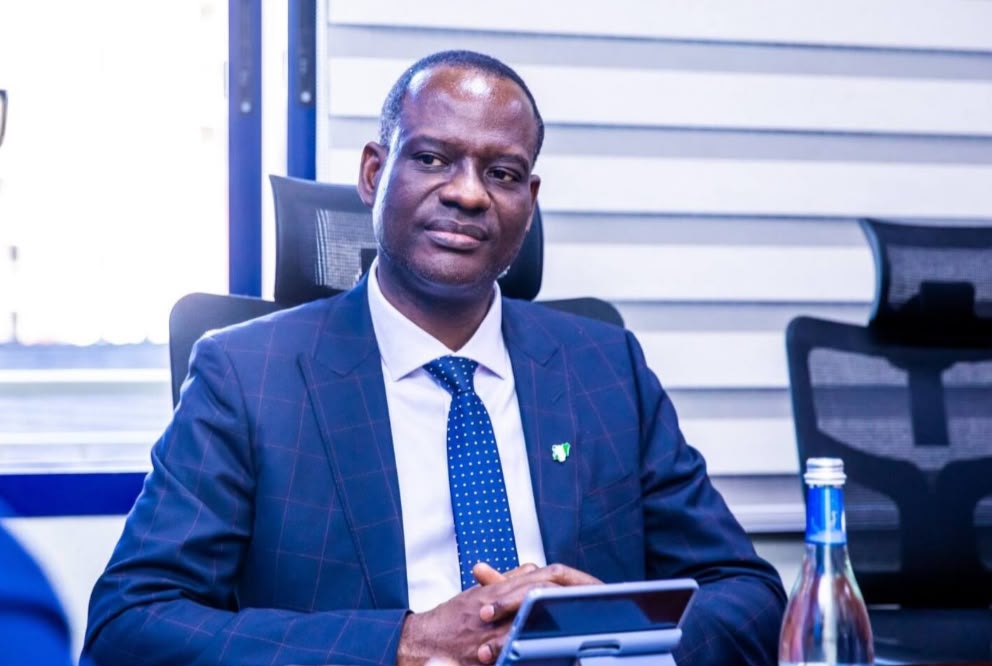
Nigeria’s Finance Minister, Taiwo Oyedele, has called for major changes to the global financial system, urging the International Monetary Fund (IMF) and the World Bank to adopt policies that better protect developing economies from mounting economic pressures.
Oyedele made the appeal while presenting the 2026 communiqué of the Group of Twenty-Four (G-24) at its annual meeting in Bangkok, Thailand, held alongside the World Bank and IMF Annual Meetings.
He warned that geopolitical conflicts, unpredictable trade conditions, fluctuating commodity prices and climate-related shocks were threatening global economic growth, with emerging markets and developing countries bearing a disproportionate share of the impact.
According to the minister, these challenges are making it harder for affected countries to create jobs, maintain economic stability and achieve inclusive development.
Oyedele Calls for Changes to IMF Quota System
Oyedele urged the IMF to review its quota system to reflect the current economic positions of member countries while ensuring that developing nations retain adequate representation in the institution’s decision-making process.
He also called for IMF-backed programmes to protect essential social spending and public investment, warning against excessive economic adjustments that could weaken recovery efforts.
On the growing debt challenges facing developing countries, the minister advocated coordinated debt restructuring, greater transparency and improvements in credit-rating assessments to address increasing vulnerabilities.
He stressed the importance of ensuring that international financial policies support economic stability without placing unnecessary pressure on countries already facing financial difficulties.
Minister Seeks Fairer Climate Financing
Oyedele also called for a more equitable approach to climate action, urging development banks to mobilise at least $300 billion in private financing annually by 2035.
He argued that developing economies need stronger financial support to respond to climate-related challenges while continuing to pursue their development goals.
The minister further emphasised the importance of international tax cooperation, calling for stronger measures to prevent companies from shifting profits to avoid taxes.
He said efforts to combat tax avoidance and illicit financial flows were necessary to protect government revenues and support economic development.
Oyedele Advocates Stronger International Cooperation
The finance minister maintained that restoring confidence in the global economy would require a multilateral system that respects national sovereignty and upholds the principles of the United Nations Charter.
His proposals centred on improving the representation of developing countries in global financial institutions, protecting social and economic investments, addressing debt risks, expanding climate financing and strengthening international tax rules.
Oyedele’s appeal comes as developing economies face growing pressure from geopolitical tensions, uncertain trade conditions and climate-related disruptions, all of which threaten their efforts to achieve sustainable and inclusive growth.
Source: G-24 communiqué