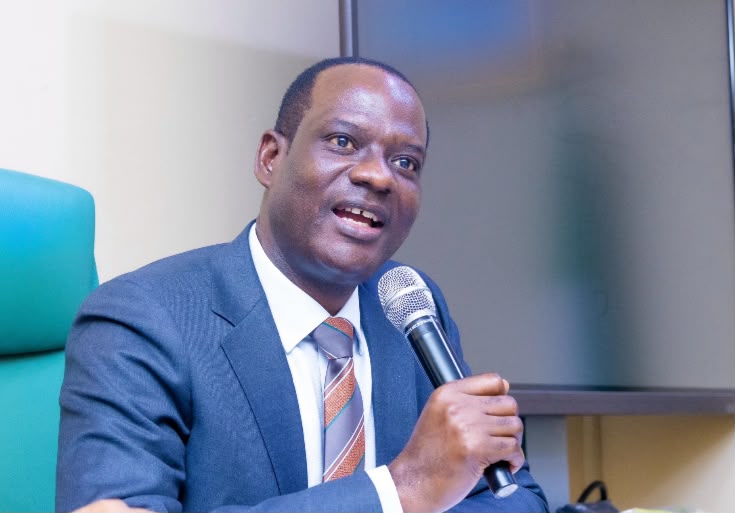
Nigeria’s Minister of Finance and Coordinating Minister of the Economy, Taiwo Oyedele, has criticised Peter Obi’s proposal to restore petrol subsidy if elected president in 2027, arguing that the removal of the subsidy under President Bola Tinubu has helped eliminate the corruption associated with the system.
Oyedele made the remarks during an appearance on Channels Television’s Politics Today, where he also defended the Federal Government’s 30-day petrol price discount.
Obi, the presidential candidate of the Nigeria Democratic Congress (NDC), had recently promised to restore petrol subsidy after addressing corruption if he wins the 2027 presidential election.
However, Oyedele questioned why a government would bring back a system that the current administration had worked to dismantle.
“With what Mr President has done, he has removed the corruption. So would you bring the corruption back so that you can fight it, remove it, and then bring back subsidy? It’s not adding up,” the minister said.
Oyedele Explains Why Petrol Prices Cannot Easily Drop to N400
The finance minister also challenged suggestions that petrol prices could be reduced to between N400 and N1,000 per litre without addressing the underlying costs of producing and refining the product.
According to Oyedele, achieving such prices would require a careful examination of the expenses involved in the petroleum value chain.
“You cannot cut the price of petrol to N400, not N500, not N800, not N1000. It’s simple arithmetic. What are the inputs?” he asked.
He explained that refining operates on relatively small profit margins and depends on processing large volumes of petroleum products to remain commercially viable.
Consequently, he argued that significant reductions in petrol prices would be difficult to sustain without a corresponding decrease in production and refining costs.
Why Nigeria Cannot Simply Sell Crude Oil Cheaper to Local Refineries
Oyedele also addressed questions about why crude oil produced in Nigeria could not be supplied to domestic refineries at lower prices to make petrol more affordable.
He explained that crude oil production involves several expenses and contractual commitments, meaning that the country’s entire output cannot simply be made available for local refiners at discounted rates.
According to the minister, crude oil revenue must account for production costs, payments to international oil companies, royalties and profit oil.
“The fact that you have 1.8 million barrels plus constantly condensate a day does not mean that all of it is available for you to give to anyone,” he said.
Oyedele warned that selling crude oil below market prices to subsidise petrol could reduce government revenue and affect its ability to meet financial obligations, including the payment of salaries.
Minister Warns About Smuggling and Fuel Price Differences
The minister further argued that keeping petrol prices artificially low in Nigeria could encourage smuggling into neighbouring countries, where fuel might sell for higher prices.
He noted that Nigeria’s petrol consumption had previously approached 90 million litres daily, although not all the fuel was actually consumed within the country.
Oyedele cited protests in Cameroon following Tinubu’s removal of petrol subsidy as an example of how differences in fuel prices between neighbouring countries could create economic and social consequences.
He also questioned whether stricter border enforcement alone could prevent subsidised petrol from being diverted to other countries.
According to him, even the United States has been unable to secure its borders completely, making it difficult to rely solely on border controls to prevent fuel smuggling.
The minister’s comments highlight the continuing disagreement over petrol subsidy, fuel affordability and the economic policies Nigeria should pursue ahead of the 2027 presidential election.
While Obi has proposed restoring the subsidy after tackling corruption, Oyedele maintains that bringing it back could recreate the challenges the current administration sought to eliminate.
Source: Channels Television