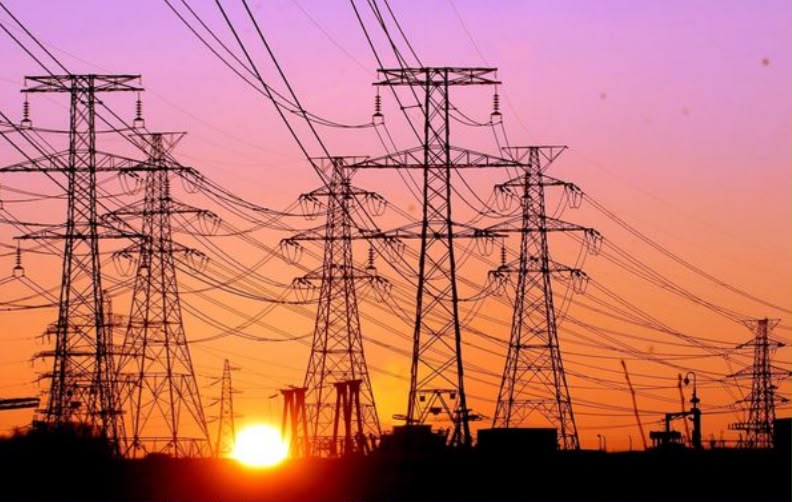
Nigeria’s electricity supply outlook has come under fresh pressure after power generation dropped by 37.17 per cent to 3,885.72 megawatts (MW), while electricity consumers lodged more than 184,000 complaints against Distribution Companies (DISCOs) during the first half of 2026.
The latest decline comes just weeks after the Minister of Power, Joseph Tegbe, announced that electricity generation had reached a peak of 5,330MW in August and September.
The sharp drop in available generation could further affect supply across distribution networks, potentially forcing more households and businesses to depend on generators as operating expenses and petrol prices remain high.
The development is also coming amid continued problems in the electricity distribution sector, with metering, billing and interruptions to supply remaining the leading sources of complaints from consumers.
Data from the Nigerian Electricity Regulatory Commission (NERC) showed that complaints recorded by DISCO customer complaint units rose slightly in the second quarter of 2026.
A total of 92,407 complaints were recorded in Q2 2026, compared with 91,617 in the first quarter, representing a 0.86 per cent increase. This brought the total number of complaints recorded during the first six months of the year to 184,024.
NERC said 117 of the 146 complaints submitted directly to its Customer Complaints Unit during the quarter were resolved, representing an 80.13 per cent resolution rate.
The commission identified metering, billing and service interruptions as the most common problems reported by electricity consumers.
“As in previous quarters, metering, billing and service interruption were the prevalent issues of customer complaints during the quarter,” NERC said.
Ikeja Electric Explains Supply Reduction
Meanwhile, Ikeja Electric attributed reduced electricity supply across its network to a shortage in the amount of power allocated to it from the national grid.
In a notice issued to customers, the company said the reduction in available power from the grid had resulted in fewer hours of electricity supply across its network.
“We wish to inform customers across Ikeja Electric network that the reduced hours of electricity supply is due to a shortfall in the amount of power currently allocated to our network from the national grid,” the company said.
Ikeja Electric apologised for the inconvenience and said it was engaging relevant stakeholders in an effort to improve the available supply.
The company also assured customers that it would continue distributing the power received from the national grid as efficiently and fairly as possible.
DISCOs Lose N129bn to Electricity Losses
The worsening supply situation is occurring alongside significant financial challenges for the distribution companies.
NERC reported that the weighted average Aggregate Technical, Commercial and Collection (ATC&C) loss across the DISCOs stood at 36.23 per cent in the second quarter of 2026.
The figure was substantially higher than the 16.92 per cent target set under the 2026 Minimum Remittance Order (MYTO).
The losses consisted of 21.33 per cent technical and commercial losses and 18.94 per cent collection losses.
Together, the losses translated into an estimated cumulative revenue shortfall of N129.073 billion across the distribution companies.
Although the industry recorded a 1.21 percentage-point improvement from the 37.44 per cent ATC&C loss recorded in Q1 2026, NERC said none of the DISCOs achieved their respective targets during the quarter.
Kaduna DISCO recorded the largest gap between its actual performance and target, with ATC&C losses reaching 67.70 per cent against a target of 18.18 per cent.
The latest figures highlight the continued pressure facing Nigeria’s power sector, with low generation, distribution losses, inadequate metering, billing disputes and supply interruptions continuing to affect both electricity consumers and the financial health of DISCOs.