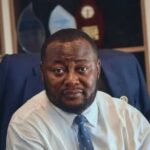

Human rights lawyer and political activist, Dele Farotimi, has said detained Indigenous People of Biafra (IPOB) leader Nnamdi Kanu was “110 per cent correct” in his assessment and criticism of Nigeria.
Farotimi made the comment in a video posted on X on Wednesday, arguing that recent developments in the country had validated several of Kanu’s criticisms of the Nigerian state.
According to Farotimi, the government has failed to address what he described as systemic problems while keeping what he called rational voices in detention and allowing alleged criminals to remain free.
He said this situation had contributed to growing instability in the country.
“Nigeria has proven Nnamdi Kanu right at every point. I have no single argument against the facts that have been adduced by Nnamdi Kanu in his agitation against the Nigerian state, not one.”
Farotimi said he had become convinced that Kanu was correct in his assessment of the Nigerian state.
“I am today convinced that Nnamdi Kanu was 110 per cent correct in his assessment of the Nigerian state.”
He argued that Kanu’s continued detention, while people accused of serious crimes remain free, amounted to vindication of the IPOB leader’s criticisms.
“He was correct, but today he sits in a cell somewhere, and numerous murderers are walking around free. That is vindication.”
Farotimi further criticised what he described as Nigeria’s failure to listen to rational voices, warning that such a situation could encourage increasingly extreme positions.
“If it does not listen to rational voices, it becomes inevitable that more extreme voices will be spoken in the language that Nigeria understands.”
The activist also disclosed that he had previously engaged with separatist agitators in different parts of the country, including Igboland and Yorubaland.
“I’ve had multiple occasions to address separatist agitators, both in Igboland, in Yorubaland, and elsewhere,” he said.
Farotimi’s comments come amid continued debates over Kanu’s detention, separatist agitations and the broader political and security challenges facing Nigeria.
Source: Dele Farotimi